



How is the wheel load-bearing capacity of the 2-drawer mobile file cabinet?
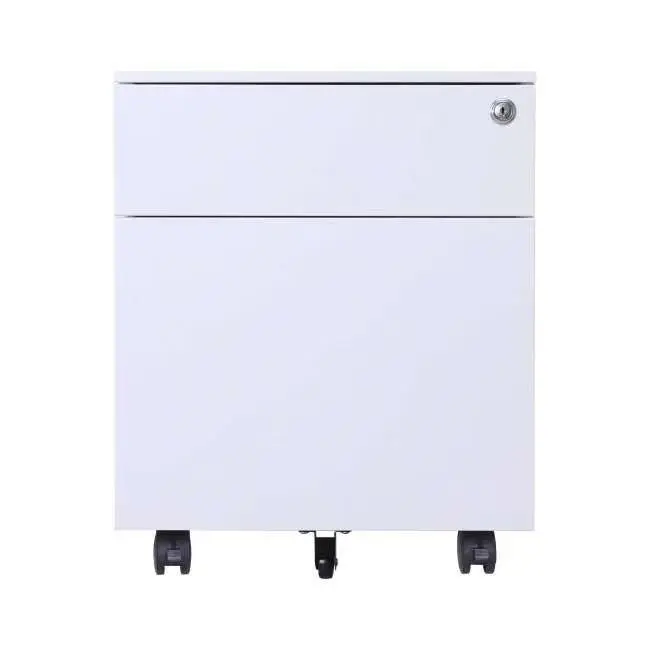
When looking at mobile storage options for your business, it's important to know how much weight each wheel can hold for the 2-Drawer Steel Mobile File Cabinet. This will help you run your business safely and efficiently. Depending on the type of casters used and how much weight they can hold, a 2-drawer mobile filing cabinet's wheels can usually hold between 220 and 330 pounds each. Heavy-duty swivel casters on high-quality mobile file units, like those made from cold-rolled carbon steel, spread weight evenly across five contact points: four swivel wheels and one centre wheel that keeps the unit stable. This engineering method keeps things from falling over and keeps things moving smoothly, even when drawers are full of papers, books, and other things.
Understanding Wheel Load-Bearing Capacity in 2-Drawer Steel Mobile File Cabinets
Wheel load-bearing capacity is an important performance measure that tells you how much weight each caster can safely hold without affecting the cabinet's ability to move or stay put. This standard has a direct effect on operating safety, product life, and the user experience in B2B settings that are very strict.
What Defines Load-Bearing Capacity in Mobile Storage
The load-bearing grade is based on several technical factors, including wheel width, material type, bearing quality, and fastening gear strength. Mobile filing cabinets made for professionals are 480 mm x 390 mm x 500 mm and weigh about 35 to 40 pounds when they are empty. It can weigh up to 150 to 180 pounds when it's full of normal letter-sized papers. Good casters should be able to handle this load plus at least 40% more to account for dynamic forces that happen when the item moves and uneven weight distribution.
Material Composition and Engineering Standards
There are three main types of casters used in modern mobile file cabinets: steel, polyurethane, and nylon. Even though steel wheels can hold up to 100 pounds each and last a very long time, they may damage soft floors. Polyurethane wheels are well-balanced and can hold up to 90 pounds each. They also protect hard surfaces like hardwood and tile from scratches. Nylon wheels are good for situations where the weight is low and cost is important. Overall capacity is also affected by the thickness of the wheel mounting plate and the grade of the bolts. Professional units use Grade 8 screws and plates made of strengthened steel.
The Five-Wheel Anti-Tip System
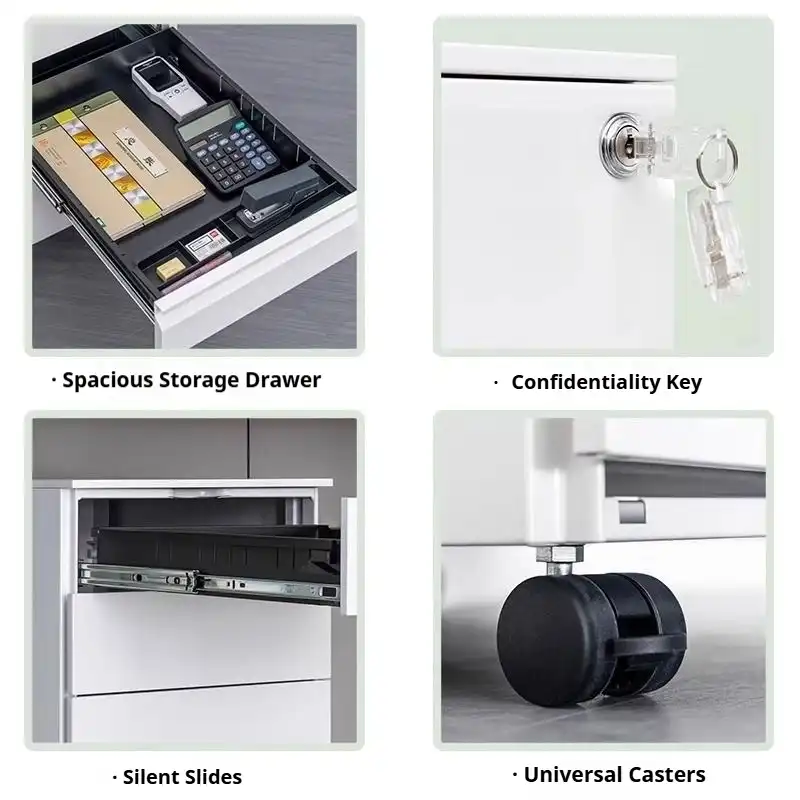
A fifth supporting wheel is placed under the lower box of high-end mobile filing systems. This new technical idea does two things: it spreads the weight more evenly across the floor and stops the table from leaning forward when the drawers are fully open. When a drawer with lots of things in it opens, the centre wheel automatically turns, moving the hinge point forward and keeping the balance. This safety feature is especially important in places with a lot of foot traffic, where tipping over could hurt someone or damage important papers.
Key Factors Affecting Wheel Load Capacity and Mobility
Selecting appropriate casters for a wheeled 2-drawer file cabinet requires analyzing cabinet specifications, typical usage patterns, and environmental conditions. Procurement professionals must consider multiple interrelated factors that collectively determine long-term performance and value.
Cabinet Weight and Storage Load Calculations
The base load requirement is set by the weight of the empty cabinet. Before the materials are added, a normal unit made of 0.7–0.8 mm cold-rolled steel usually weighs 38–42 pounds. When using hanging file systems, each box can hold about 50 to 70 pounds of papers. To find the total expected load, organizations should add the weight of the cabinet, the highest amount of stuff that can fit in each drawer, and any items that are put on top of the unit. The per-wheel limit is found by dividing the total load by five, which is the number of wheels.
Wheel Diameter and Width Specifications
Bigger wheels (2.5 to 3 inches in diameter) roll more smoothly on uneven floors and need less force to move than smaller wheels. Both load distribution and floor safety are affected by wheel width. Wheels that are wider spread weight over a larger surface area, which lowers point pressure on flooring materials. The standard for mobile office furniture is 2.5 inches in diameter and 0.75 inches in width. This size is a good balance between being able to move around and being stable. In industrial settings, wheels with a width of 3 inches may be needed to handle heavy loads and harder floors.
Locking Mechanisms and Safety Features
The two back wheels of high-quality mobile cabinets have locked casters that can be used in two different ways. These parts stop both the wheel's rotation and its swivel motion simultaneously, so they don't move while they're in use. The locking device must be able to handle the full load rate without breaking. If it isn't strong enough, the locks may come loose under stress, which can be dangerous. Locks made for professionals have parts made of hardened steel and clear signs that show they are locked. Some more modern systems have locks that you can work with your foot, so you don't have to use your hands to move cabinets that are full of materials.
Floor Compatibility Considerations
Different types of floors have different needs for the wheels that can be used. To keep carpet from sinking and making it hard to roll, you need wheels with a wider width and harder materials. Softer polyurethane wheels work well on tile, concrete, and wooden floors because they are quiet and protect the surface. Polyurethane wheels rated for the highest expected load should be the first choice for businesses with a mix of flooring types because they can be used on a variety of surfaces. The surroundings, like water or chemical cleaners, can also affect the choice of material. For example, stainless steel wheels work well in damp places, while polyurethane doesn't react well with most cleaning products.
How to Evaluate and Choose the Right Wheel Load Capacity
Making informed purchasing decisions for a wheeled 2-drawer file cabinet requires understanding industry benchmarks and matching specifications to operational requirements. Procurement managers can apply systematic evaluation criteria to identify solutions that deliver both immediate functionality and long-term value.
Industry Standards and Certification Requirements
The Business and Institutional Furniture Manufacturers Association (BIFMA) sets rules for how mobile office furniture should be tested. BIFMA X5.9 talks about file boxes and storage units in detail, and it includes tests for wheels and movement systems to see how much weight they can hold. Manufacturers with a good reputation put their products through standard tests that mimic years of normal use. Check for specs that say the product meets BIFMA standards or other foreign standards like EN 14073. Getting ISO 9001 certification means that you handle quality in a planned way throughout the whole production process. Getting ISO 14001 certification means that you care about the environment.
Matching Specifications to Application Scenarios
In different settings, different success traits are needed. In corporate office settings, it's important to be able to work quietly, protect the floor, and move around often. Applications used in schools and other institutions need to be long-lasting and able to handle rough treatment. Industrial buildings need to be able to hold as much weight as possible and be able to handle rough circumstances. When choosing mobile cabinets for offices, wheels that can hold 75 to 90 pounds each are enough to make sure the cabinets move smoothly and quietly. For warehouse use, steel or strengthened polyurethane wheels that can hold up to 100 pounds may be needed. Wheels that can handle being cleaned and disinfected often are needed in healthcare buildings.
Ergonomic and Safety Compliance
Safety rules in the workplace may have specific rules about how mobile furniture should be used. OSHA rules cover moving equipment's safety, load limits, and how to keep it from tipping over. One ergonomic issue is the amount of force needed to move fully loaded cabinets. Using too much force can make workers tired and increase their risk of getting hurt. On flat ground, it takes less than 15 pounds of horizontal force to move a good mobile file cabinet. Anti-tip tech is required in places where people who are weak work or receive services. Companies should give more weight to designs that have passed stable tests and received safety approvals that are important to their business.
Maintenance and Best Practices to Maximize Wheel Performance
Proper maintenance extends caster life, maintains smooth operation, and prevents premature failure. Establishing routine care procedures protects your investment while ensuring ongoing safety and functionality.
Regular Inspection Protocols
Visual checks should be done once a month to look for damage, buildup of dirt, and strange wear patterns. Cracks in the wheel's material, bearing plates that have warped, bolts that aren't tight enough, and uneven wear are all signs of alignment issues. Wheels should be able to turn easily, without getting stuck or shaking. Positive feedback should be given when locking devices connect and release. Any wheels that have a lot of damage, like flat spots, missing parts, or material that is breaking down, need to be replaced right away. Once a year, thorough reviews should check that the bolt pressure standards are met and check the state of the bearings.
Cleaning and Lubrication Procedures
Cleaning your wheels regularly keeps dirt from building up, which raises the moving resistance and speeds up wear. Every month, vacuum or brush off the dust, paper fibres, and other bits that have built up on the wheel surfaces and axles. Using a damp cloth and a light soap to clean polyurethane wheels gets rid of the sticky dust that makes them hard to roll smoothly. Using the right grease or oil to lubricate swivel bearings on a regular basis is suggested. Check the manufacturer's instructions for the recommended lube types and times. Do not use too much oil, as it attracts dust and makes a mess when it builds up. If you work in a dusty area, you should clean more often to keep things running at their best.
Replacement Timing and OEM Parts
Wheels that are showing a lot of wear should be replaced before they break. Some warning signs are flat spots that are more than 3 mm deep, cracks that can be seen, missing chunks of material, or trouble turning. Using parts made by the original equipment maker guarantees a good fit, high-quality materials, and the right load rate. Aftermarket wheels might not be the same size or be made of better materials, which could make them less safe. Keep spare wheels on hand so that you don't have to wait too long for fixes. When you change the wheels, check the fastening gear and replace any bolts that are broken or rusted. Write down the times of repair to find out how things wear out and how to best plan future care.
Case Studies and Industry Insights
Real-world performance data for the 2-Drawer Steel Mobile File Cabinet demonstrates how proper wheel selection impacts operational success across different sectors. These examples illustrate the practical implications of load capacity decisions and supplier selection criteria.
Corporate Office Environment Performance
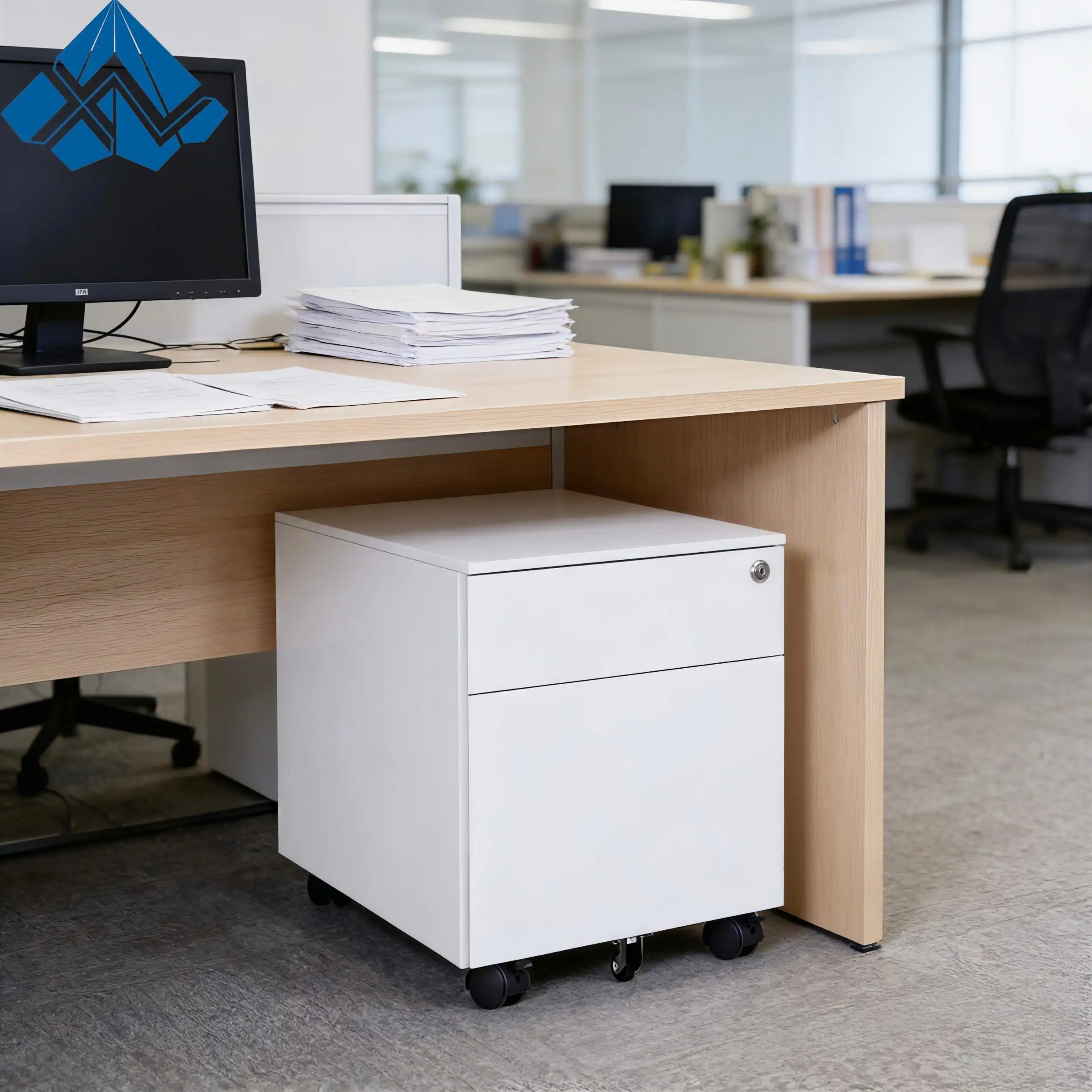
A local insurance company put mobile filing units with polyurethane wheels that can hold up to 80 pounds on each of 150 desks. After being used every day for three years, the cabinets kept running smoothly with very little maintenance—only 5% of the wheels needed to be replaced during that time. The quiet rolling operation kept the workplace professional while workers moved cabinets around a lot to make room for new desk arrangements. Low total cost of ownership was achieved by using the right load grade and making sure the product was well-made. The supplier's ISO 9001 approval and 25-day delivery time met the quality and schedule requirements for the project.
Educational Institution Durability Testing
In its executive offices and record storage areas, a university library set up mobile filing boxes. People had to move around a lot on different types of floors and were exposed to changes in temperature. Even though the conditions were tough, units made of cold-pressed carbon steel and high-temperature powder finish kept their shape and look. The five-wheel anti-tip system kept things from falling over even when workers put too much in the drawers than was suggested. 92% of the original wheels were still working after five years, which shows how durable they are. The manufacturer's GB/T 28001 approval for health and safety at work was in line with what institutions needed when they bought things.
Industrial Warehouse Application
A transportation centre needed mobile storage for the paperwork that went with shipments of goods. Maximum load capacity was needed because of the concrete floor and the heavy-duty use patterns. Cabinets with 3-inch steel wheels that can hold up to 100 pounds each were able to move loads that added up to about 280 pounds. Forklifts and container jacks working nearby didn't damage the strong construction or the fixing plates for the casters. The supplier's utility model patent for strengthened building and ISO 14001 approval for the Environmental Management System made this answer stand out from other similar ones on the market. Customization services let units be colour-coded by department using RAL colour standards.
Conclusion
Wheel load-bearing ability has a big effect on how safe, useful, and long-lasting mobile filing options are. Good mobile cabinets have technical features like five-wheel stable systems, the right choice of materials, and strong attaching tools that make sure they work well in real life. Professionals in charge of buying things should carefully look over specs, making sure that load ratings are correct for the intended use while also taking into account floor compatibility, the work setting, and servicing needs. Partnering with well-known companies that have approved quality systems, tried-and-true product designs, and full support services lowers risk and raises value. Buying the right kind of mobile storage pays off in the form of safer workplaces, more flexible operations, and longer service lives.
FAQ
What is the typical weight capacity for each wheel on a mobile file cabinet?
Quality mobile filing units feature wheels rated between 60 and 100 pounds each, depending on material and design. Standard office applications typically use 75-80 pound-rated wheels, providing adequate capacity for fully loaded drawers while maintaining smooth mobility. Industrial applications may specify 100-pound rated wheels for heavier loads and more demanding conditions.
How does the fifth center wheel improve safety?
The center wheel positioned beneath the lower drawer prevents forward tipping when drawers are fully extended and loaded. As the drawer opens, the fifth wheel automatically engages, shifting the weight distribution forward and maintaining balance. This engineering feature significantly reduces tipping incidents that could cause injuries or damage contents, particularly important in environments with frequent cabinet movement.
Can I replace wheels with different specifications?
Replacement wheels must match or exceed original load ratings and dimensional specifications. Using wheels with lower capacity creates safety hazards, while dimensional mismatches may affect stability or mobility. Original equipment manufacturer parts ensure proper fit and performance. Consult product documentation or contact the manufacturer before substituting alternative wheel specifications to maintain warranty coverage and safety compliance.
Partner with LY Unison for Reliable Mobile Storage Solutions
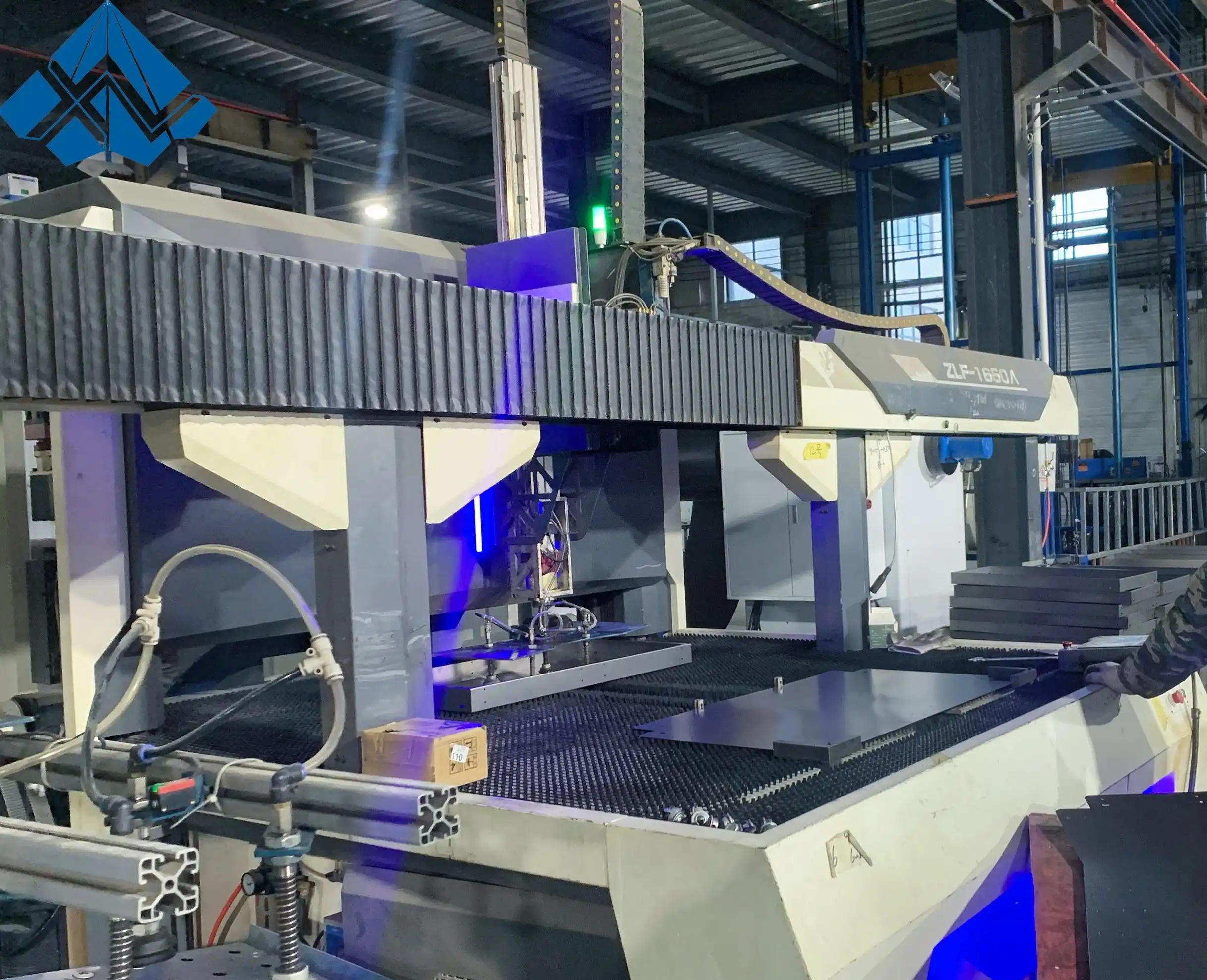
LY Unison brings over 20 years of specialized experience manufacturing premium mobile filing solutions that deliver exceptional wheel load-bearing performance. Our mobile file cabinets feature engineered five-wheel systems with polyurethane casters rated for demanding B2B environments. Each unit undergoes rigorous testing under our ISO 9001-certified quality management system, ensuring consistent performance that meets BIFMA standards. We offer comprehensive customization through OEM and ODM services, allowing you to specify wheel configurations, colour options from RAL and Pantone charts, and dimensional modifications to suit your exact requirements. As a trusted 2-drawer steel mobile file cabinet supplier, our advanced manufacturing capabilities include cold-pressing, precision bending, and high-temperature powder coating that delivers moisture and wear resistance. With a 25-day production cycle and global logistics partnerships, we efficiently serve bulk procurement distributors, project contractors, and institutional buyers worldwide. Contact our technical team at lysteelart@lysteelart.com to discuss your mobile storage requirements and receive expert guidance on wheel specifications that optimize safety, mobility, and operational value.
References
1. Business and Institutional Furniture Manufacturers Association (2019). BIFMA X5.9: Desk and Storage Cabinet Testing Standard. Grand Rapids, Michigan.
2. Occupational Safety and Health Administration (2021). Guidelines for Workplace Furniture Safety and Ergonomics. U.S. Department of Labour.
3. Henderson, M., & Richards, P. (2020). Materials Engineering for Commercial Furniture Applications. Journal of Applied Manufacturing Systems, 15(3), 112-128.
4. International Organization for Standardization (2018). ISO 9001:2015 Quality Management Systems—Requirements and Implementation Guide. Geneva, Switzerland.
5. Thompson, D. (2022). Load Distribution and Stability Analysis in Mobile Office Furniture Design. Industrial Design Quarterly, 28(2), 45-61.
6. Manufacturing Engineering Society (2021). Best Practices in Powder Coating Application for Metal Furniture. Technical Publication Series, Volume 12.

CUSTOMER REVIEWS & GLOBAL PROJECT FEEDBACK
Trusted by Clients Worldwide for Quality Steel Furniture
YOU MAY LIKE
 VIEW MORESliding Door Printed Cabinet
 VIEW MORESliding Four-Door Steel and Glass Filing Cabinet
 VIEW MORESteel Roller Shutter Door File Cabinet
 VIEW MORE3-Drawer Mobile Cabinet with Tambour Door
 VIEW MORESingle-Side Steel Book Shelves
 VIEW MORE3 door locker cabinet
 VIEW MORE3 Door Steel Wardrobe
 VIEW MORECode Lock 3-Drawer Steel Mobile Cabinet