


How to choose between single, double, and triple door wardrobes for different spaces?
In order to choose the right Floor-standing wardrobe arrangement, you need to carefully consider your space, income, and operational needs. In household, institutional, and business settings, floor-standing wardrobe units with single, double, or triple doors serve different functions. Single-door models offer the most vertical storage space in small spaces, double-door setups balance ease of access with minimal size, and triple-door systems meet the needs of large spaces. The choice of material is very important. Metal building with cold-pressed carbon steel frameworks is more resistant to water and lasts longer than particleboard options, which tend to warp when it's wet.
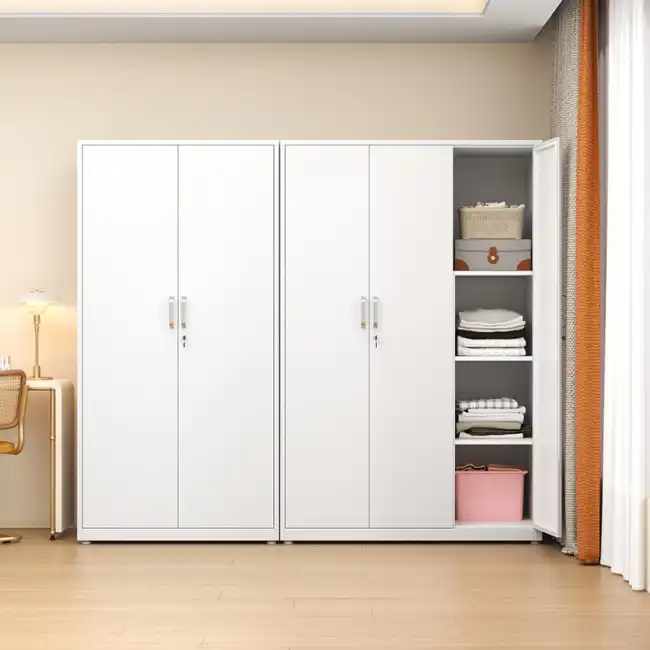
Understanding Floor-Standing Wardrobes and Their Door Types
Learn about floor-standing wardrobe units and the different types of doors they have. Choosing the right wardrobe has an effect on how well the space works and how much it costs to run in the long run in buying situations. To tell the difference between door designs, you must first understand structural engineering and placement scenarios that are important to business-to-business projects.
Structural Differences Across Door Configurations
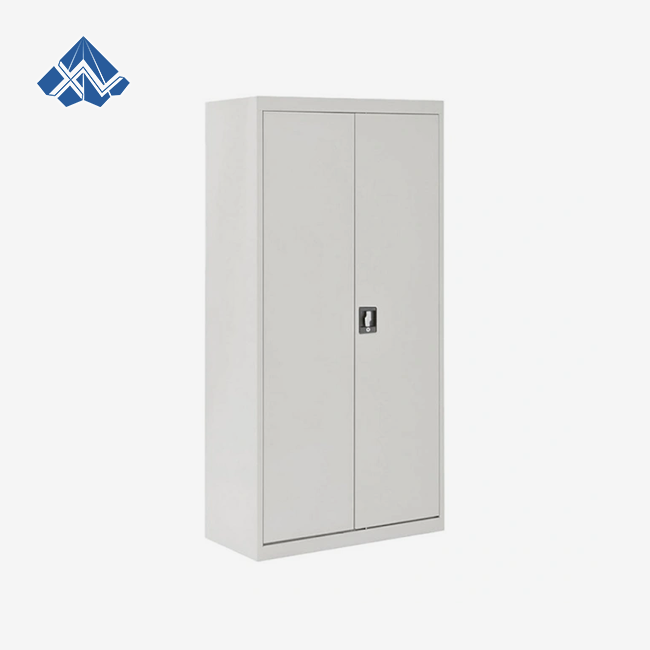
Metal floor-standing wardrobe units are made from cold-rolled steel, which makes frames that are self-supporting and spread weight through strengthened base panels instead of wall anchoring. Single-door units are usually 400–500 mm wide and have hanging rails inside that can hold up to 15–20 kg. The sizes of double doors range from 800mm to 1000mm, and they have center dividers that make them more stable on the sides and support two hanging zones. Triple door systems are longer than 1200mm, so they need extra vertical supports and stronger hinges to handle the extra mechanical stress that comes from having bigger door panels. Precision bending and welding are used in the production process to get rid of the weak joints that are common in particleboard structures. A high-temperature powder coating put on at 180–200°C forms molecular-level protection against rust, and according to ASTM B117 testing guidelines, it can withstand salt spray for more than 500 hours. This process is very important in places like hospitals and schools, where cleaning agents and humidity speed up the wear and tear on materials.
Deployment Scenarios for Each Door Type
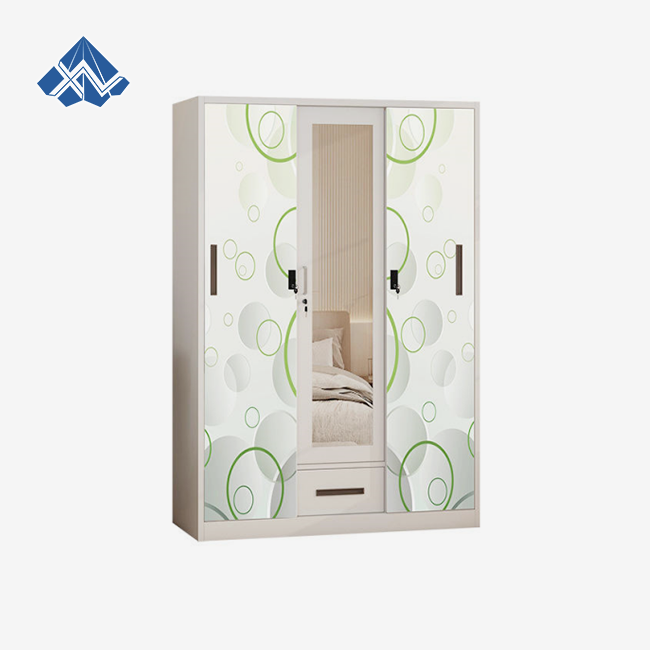
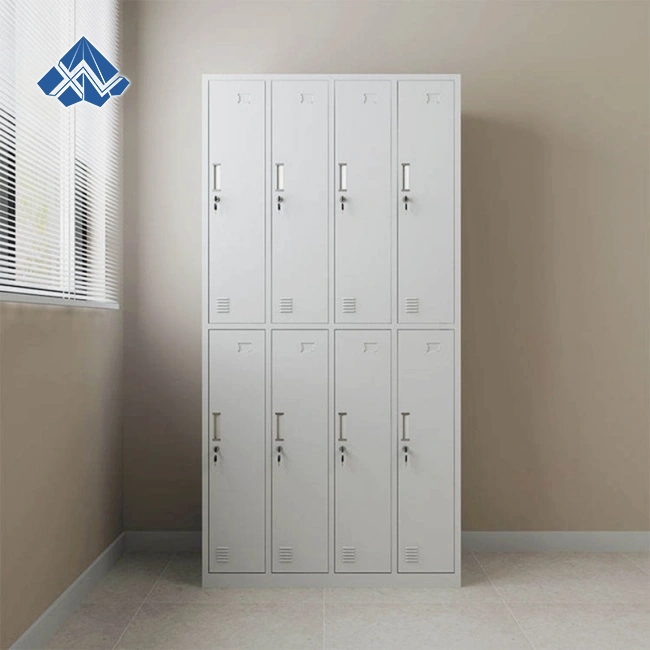
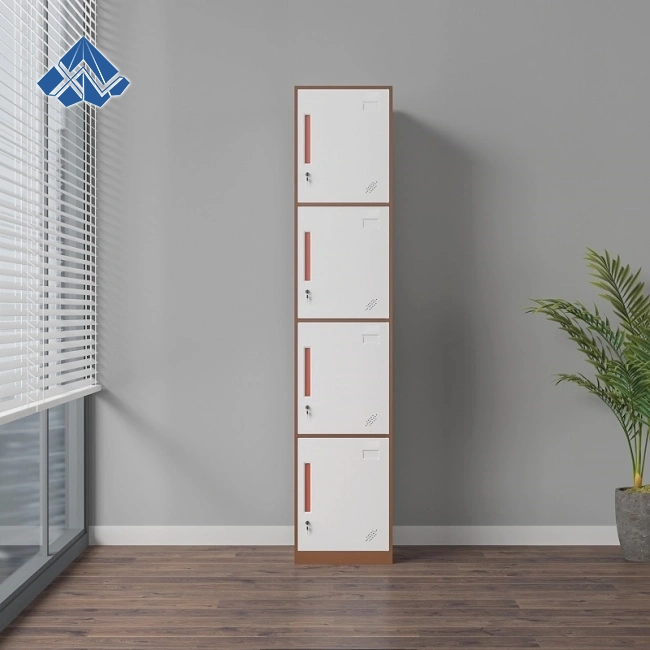
Single-door cabinets work well in student rooms, hospital patient rooms, and small offices with limited floor space. Because they are thin, they can be put in hallways or next to doors without getting in the way of people walking. Double-door models are most common in hotel guest rooms and medium-sized beds. They have enough hanging space for two people and are still small enough to fit through normal entrances. Executive suites, master bedrooms, and administrative offices that need a lot of storage space can use triple-door layouts. Most of the time, these units have a mix of storage options, like hanging rails, movable shelves, and box modules, all built into one structure. The wider width makes room for special sections that can be used to rotate seasonal clothes or store tools in industrial settings.
Installation and Maintenance Factors
The number of doors affects how hard it is to put together. Single-door units usually take 30 to 45 minutes to install for two people, which includes leveling the base, putting together the frame, and aligning the door. Due to the center partition integration and dual hinge adjustment, double door types need between 60 and 90 minutes. Triple door systems take more than 120 minutes, especially when they have moving gears that need to be installed precisely on tracks. Different maintenance procedures are needed for different types of hinges. Single door hinges need to be oiled every six months with lithium-based grease because they are subject to repeated stress on a smaller number of fixing points. When you have two or three doors, the mechanical wear is spread out over more than one set of hinges. This makes service times longer, up to once a year. Every three months, the tracks for sliding doors need to be cleaned to get rid of the dust that builds up and speeds up the wear on the roller bearings.
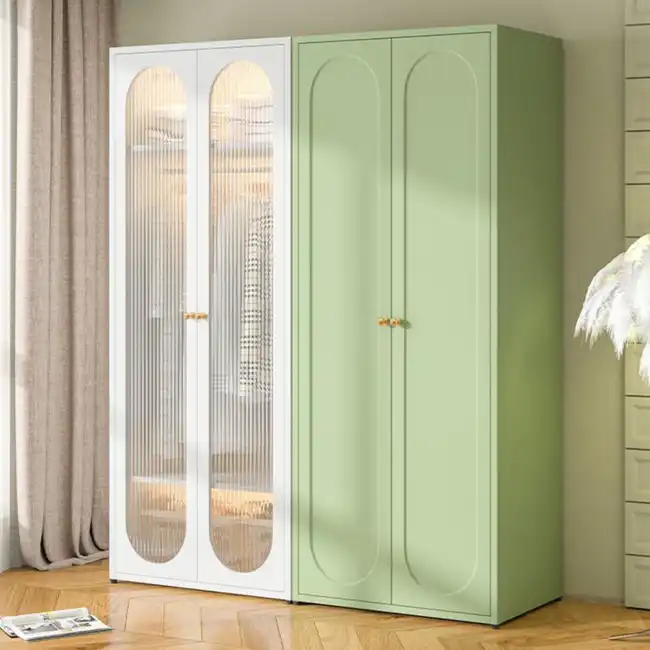
Key Considerations When Choosing Wardrobe Door Types for Different Spaces
Space limitations, functional needs, and lifetime costs must all be taken into account when making procurement choices. Matching door setups to the surroundings keeps things from breaking down too soon and making users unhappy.
Spatial Constraints in Real-World Applications
Single-door floor-standing wardrobe units put in the corners work well in small offices that are 8 to 12 square meters. The vertical storage method makes the best use of space without getting in the way of work placement or traffic flow. A normal unit that is 2000 mm tall and 550 mm deep can hold 0.88 cubic meters of stuff and only takes up 0.4 square meters of floor space. Business hotels with rooms that are 15 to 20 square meters can have double doors that open to reveal 1.6 cubic meters of storage space. The 800mm width standard lets installation go along walls next to windows without getting in the way of natural light. This placement approach keeps the room open while making storage easier to get to from one place. Triple door setups that are 1200 to 1500 mm wide can be used in master rooms that are bigger than 25 square meters. These units are often used to split rooms, making changing areas that are structurally separate from load-bearing walls. Because it stands alone, it can be moved around when the layout of a room changes without needing any building work.
User Functionality Requirements
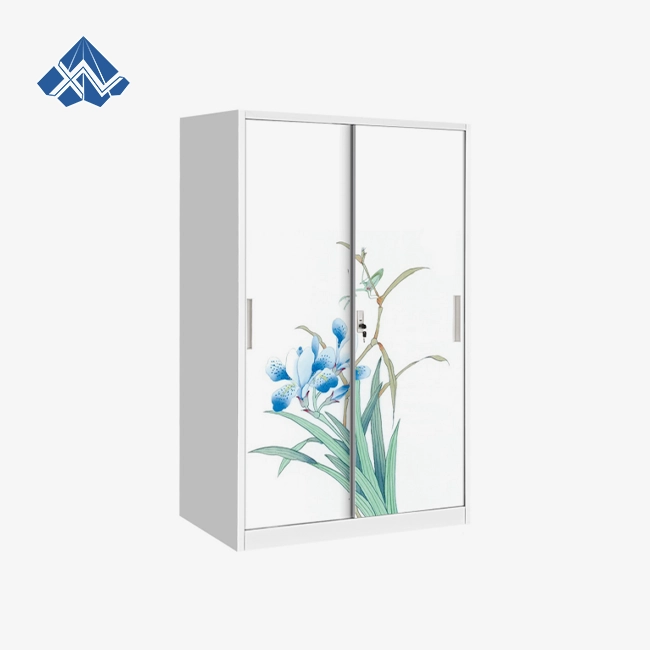
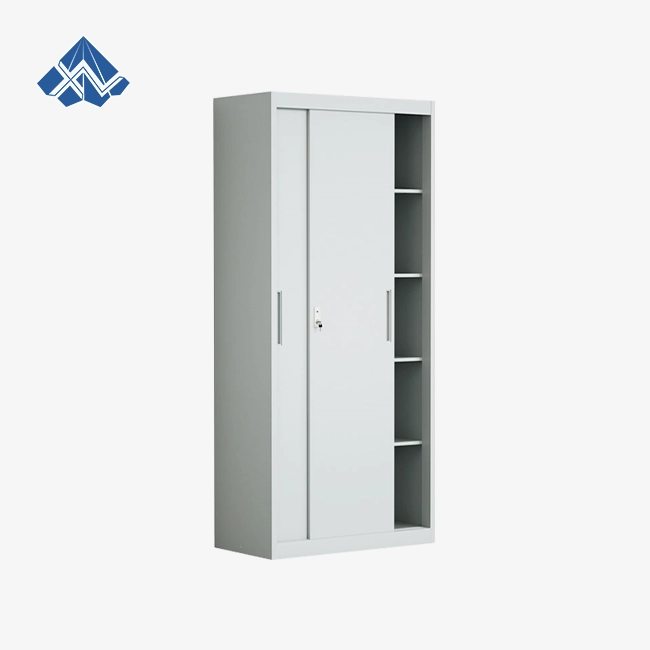
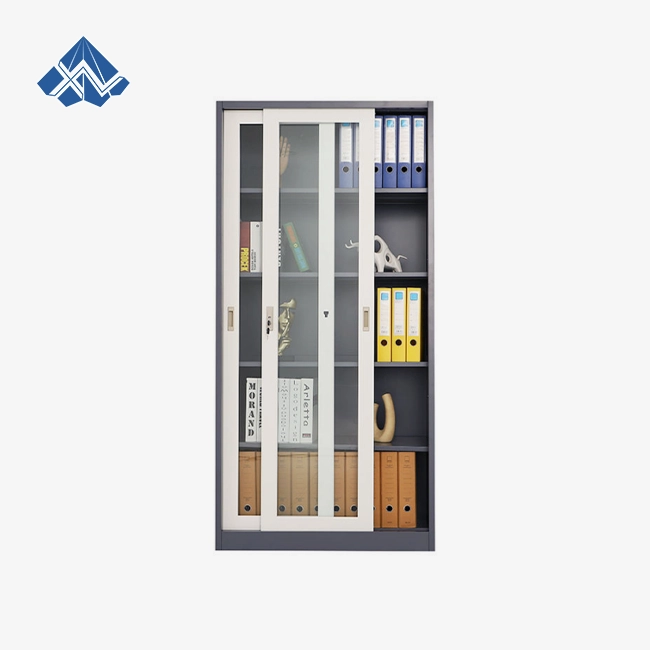
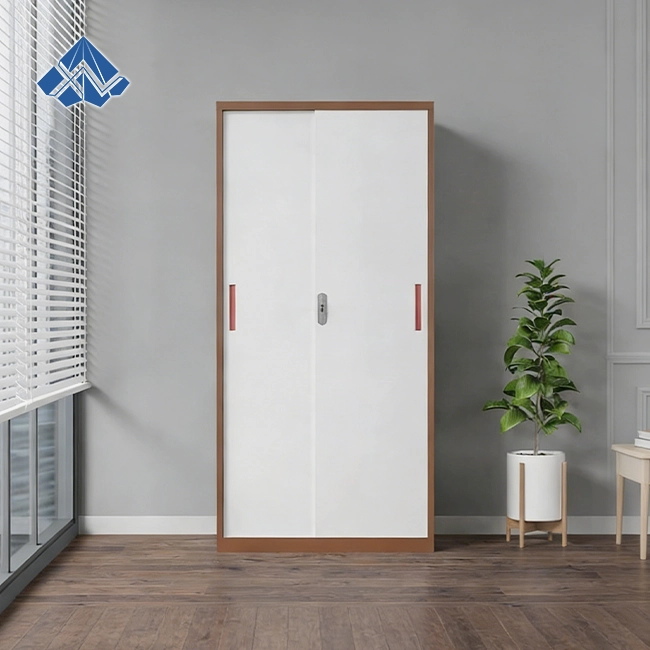
The first step in figuring out storage capacity is to compare the amount of space used for shelves and hanging linear meters. Single-door units have hanging rails that are 800 to 900 mm long, which can fit 25 to 30 normal hangers. Double-door types can hold twice as much, from 1600 to 1800 mm, making them good for two-person homes or yearly clothing rotation. Triple door systems have more than 2400 mm of hanging space, so they can hold large groups of clothes or a mix of personal things and linens. Ergonomic entry patterns affect the choice of door design. Hinged single doors need between 600 and 700 mm of space to fully open, which could cause problems with furniture next to them in small rooms. Sliding double or triple door systems work within a 50mm projection zone, so you don't have to worry about the swing radius. However, slide systems hide half of the internal sections when they are open, which makes simultaneous recovery less efficient than hinged systems that show the whole interior.
Material Durability and Maintenance
When it comes to building, cold-pressed carbon steel is clearly better than wood composite options. When the relative humidity (RH) goes above 70%, particleboard swells, and joints break because of the wetness that is absorbed by the metal frames. The finish that was put on with plastic can be cleaned many times with hospital-grade disinfectants without breaking down, so it will look good for 15 to 20 years. Corrosion protection testing shows that a product works better in tough settings. Units that meet ISO 9227 standards can be exposed to salt fog for more than 1000 hours straight without getting surface rust. This longevity is very important for sites near the coast or in industrial settings, where airborne pollutants speed up the rusting process. Long-term upkeep costs are much lower if you choose metal floor-standing wardrobe units instead of wood units that need to be painted or refinished every three to five years.
Comparative Analysis: Single vs Double vs Triple Door Wardrobes for Procurement
Data-driven procurement choices allow direct comparison across cost structures, spatial efficiency, and user experience measures. Long-term value ideas can be found by looking at total ownership costs that go beyond the original purchase price.
Cost Structures for Bulk Procurement
When buying more than 100 units at once, single-door metal floor-standing wardrobe units cost between $85 and $120 each, based on how complicated the specifications are and what finish is needed. When you buy more than 500 pieces, the cost per unit goes down because standardized parts make manufacturing more efficient. Prices for double door setups range from $140 to $190, which is because they use more materials and need more hinge gear. Triple door systems start at $210 to $280, and you can add 15 to 25 percent more for unique internal parts if you want to. Logistics of shipping have a big effect on total landing costs. Single-door units fit better in containers—a normal 40-foot container can hold 240 to 280 knocked-down single-door closets, but only 140 to 160 double-door or 90 to 110 triple-door units. Freight costs per piece are directly affected by volumetric efficiency. For bigger setups, this could mean an extra $8 to $15 per unit. Installation labor is another variable cost. Depending on regional labor rates, differences in assembly time can add $12 to $45 per unit to the cost of hiring a contractor.
Space Utilization Efficiency
Different levels of efficiency can be seen by measuring the volumetric storage density. When the full 2000mm height is used, single-door floor-standing wardrobe units can store 2.2 cubic meters of things for every square meter of floor space they take up. Due to proportional width-to-depth ratios, double door designs keep the same 2.1 cubic meter effectiveness. The slightly smaller volume of triple door types drops to 1.9 cubic meters per square meter because they need to have thicker frames for structural reasons, but they don't gain any capacity. When figuring out real efficiency, accessibility issues change the math. Single-door units let you see the whole contents right away, which cuts the time it takes to get something by 20 to 30 percent compared to moving triple-door systems that need to move panels around. This practical speed is important in hotel settings where housekeepers need to get to linens several times a day. On the other hand, senior offices that care more about looks than speed of access like wider setups that hide gear and make things look more streamlined.
Design and Customization Options
These days, buyers want more than just useful requirements; they also want things to look good together. Metal floor-standing wardrobe units can be powder-coated in any color using RAL and Pantone systems, which makes it possible for business sites or hotel groups to all have the same brand identity. Textured finishes that look like wood grain patterns combine the strength of metal with the visual warmth that is chosen for home-style uses. Competitive options are set apart by their internal configuration freedom. Modular shelf systems with 32 mm hole spacing standards can be adjusted in the field without tools, so they can be used for a long time even if the storage needs change. When used with double or triple doors, drawer modules fit perfectly and provide safe storage for goods in hotel guest rooms or personal things in dorms. There are pros and cons to both sliding and hinged door mechanisms. Sliding systems work better in tight aisles but need 50% more width than the stored items, while hinged doors need extra room for clearance but let you see the whole inside at once.
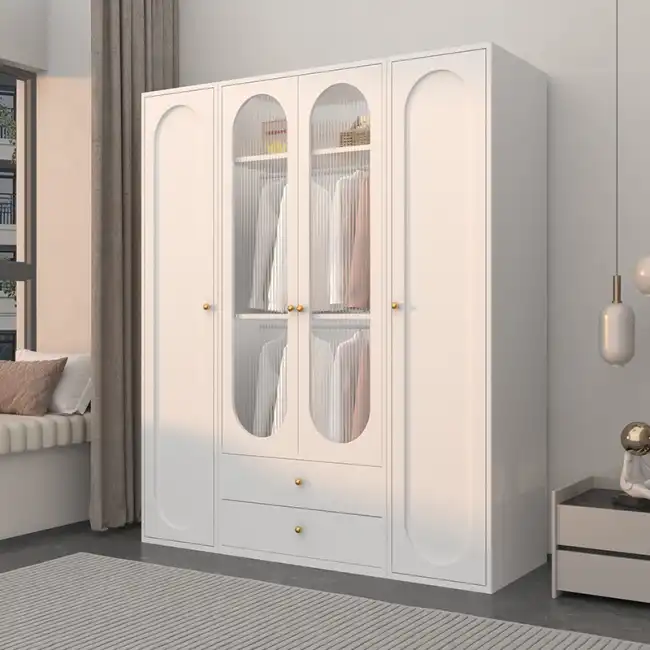
Procurement Best Practices: How to Source the Right Floor-Standing Wardrobe Door Type
When comparing suppliers, strategic buying factors look at more than just price. They also look at the supplier's skills, quality assurance systems, and lifecycle support infrastructure. Professionals in procurement lower project risks by carefully evaluating suppliers.
Supplier Reliability and Quality Assurance
The first level of manufacturing certification is ISO 9001, which sets standards for quality management systems that make sure that production methods and traceability rules are always followed. Suppliers who keep their ISO 14001 environmental licenses show that they use sustainable practices, which lowers the risks of long-term governmental compliance. Occupational health licenses, such as GB/T 28001, show that a company cares about its workers' safety and wants to consistently produce high-quality goods. Performance claims are backed up by product-specific certifications. Utility model designs for new ideas like foldable systems show that engineers are investing in more than just mass production. Registering a trademark shows that you are committed to protecting your business and that you have legal options if there are quality issues. If you ask for approved test results for load-bearing capacity, surface hardness, and corrosion resistance, you can get objective proof of performance that goes beyond what the company says on the marketing materials. Supplier production capacity assessment prevents delivery delays, jeopardizing project timelines. Even during busy times, manufacturers with multiple production lines and backup equipment can keep wait times at 25 days. People who depend on a single production chain run the risk of delays of 45 to 60 days when equipment breaks down. Checking stated capacities against real industrial floor space and workforce levels can be done through site visits or checks by a third party.
Value-Added Services and Customization Support
OEM and ODM features let vendors and private label applications set their own brands apart. Manufacturers who offer design adjustment services change the layouts inside, add locking mechanisms, or build in wire management systems that meet specific needs. For custom specs, the minimum order quantity varies a lot. Bigger companies will take 100-piece custom runs, while smaller businesses need 500 or more units. Installation assistance services make it easier to coordinate projects. Suppliers who offer on-site assembly teams or thorough instructions in more than one language speed up the time it takes to launch products. Some makers offer installation training programs for client support staff. This helps build up the company's internal resources for when it grows in the future. When a warranty lasts longer than the usual one year, between three and five years, it shows that the maker is confident in the product's durability and lowers the uncertainty of the replacement budget.
Negotiation Tactics for Favorable Terms
Negotiating payment terms strikes a mix between managing cash flow and setting the best prices. Both parties are protected by the standard 30% deposit, with the remaining 70% due upon shipping. However, big orders can put pressure on operating capital. Suppliers with good balance sheets may accept a letter of credit or give creditworthy buyers 60 to 90 days to pay, but prices usually go up by 3 to 5 percent to cover the cost of borrowing. Volume pledge contracts get you better prices and help you keep track of your goods. When you sign an annual deal to buy at least 500 to 1000 units, you can get 8 to 12 percent off spot prices. Buyers who are committed to buying from a supplier benefit from being able to plan their production with confidence. Flexible shipping dates within agreed-upon amounts allow for project phasing without the usual fees that come with changing a purchase order.

Installation, Maintenance, and Longevity Considerations by Wardrobe Type
Total cost of ownership and user happiness are both determined by post-purchase lifetime management. Proactive repair plans increase the life of a system while reducing the number of times it needs to be shut down.
Assembly Best Practices by Configuration
Installing a single-door floor-standing wardrobe starts with leveling the base. This is done with adjustable feet that can handle floor flaws of up to 10 mm. Door imbalance that causes closing gaps and hinge stress can be avoided by leveling the door correctly. Follow the manufacturer's torque recommendations when putting together the frame. Tightening screws too much deforms the sheet metal, while loosening them too little lets the structure move while it's being used. Two people are needed to make sure that the hinge pins are lined up before the fixing screws are tightened. Adding a center divider to a double door design makes it more complicated. To keep doors from binding or areas that aren't level, this vertical divider needs to be perfectly straight. Using laser levels during assembly gets rid of mistakes in eye estimates that lead to extra work. After the first installation, hinge adjustment screws let you make small changes. The 3-axis flexibility makes up for production flaws and settling in the first few weeks of use. Installing accurate tracks is needed for triple door systems with moving mechanisms. To keep rollers from binding, mounting tracks must be perfectly aligned within a 0.5 mm error across the whole width. When installing bottom guide channels, they must be free of waste. Even small bits can make noise and wear out rollers faster than they should. Before they are officially accepted, anti-jump systems that keep doors from lifting off during operation need to be properly tested under load.
Material-Specific Care and Maintenance
When compared to wood closets, metal floor-standing wardrobe units need less upkeep. Cleaning every three months with pH-neutral soaps gets rid of dust and fingerprints without hurting powder coat finishes. Don't use steel wool or abrasive cleaners because they can scratch protective surfaces and make places where rust can start. Once a year, silicone-based sprays that don't attract dust like petroleum-based oils are good for lubricating hinges and moving gears. Controlling humidity keeps things working for a long time. Even though metal frames don't get damaged by water, being exposed to 85% or more relative humidity for a long time turns any flaws in the covering into rust spots faster. Maintaining indoor humidity between 40-60% RH through HVAC systems or dehumidifiers protects investments in humid climates. Coastal systems should be checked every six months to make sure that salt doesn't build up in the hinge holes and door edges. Small fixes take care of common wear patterns before they happen. During regular checks, loose door screws are easy to fix with screwdrivers. Door alignment drift can be fixed by turning the adjusting screws, so you don't have to call a professional. When you replace old door seals or bumpers, metal-on-metal contact that damages finishes is stopped. Keeping extra parts on hand for facilities that get a lot of use cuts down on downtime when parts hit the end of their useful lives.
Warranty Terms and Return Policies
B2B warranty arrangements are very different from consumer benefits. Standard business warranties cover flaws in the way the product was made for 12 to 24 months after delivery. They do not cover damage caused by poor fitting or abuse. Options for extended warranties that last between 36 and 60 months cost 5 to 8 percent of the purchase price, but they protect against unexpected repair costs while the facility is being used. Carefully reading the warranty's exclusions stops disputes. For example, most warranties don't cover damage from unauthorized changes or harsh chemical exposure. Return policies cover problems with shipping or mistakes in the specifications. Goods that haven't been opened or broken can be returned to a reputable seller within 30 days, but there may be a 15-20% refund fee. Custom-colored or specially designed units usually have no-return terms because they can't be sold again easily. Photographic proof of damage during delivery establishes responsibility for problems caused by shipping, speeding up repair claims.
Conclusion
When picking between single, double, and triple door floor-standing wardrobe designs, you have to think about how much space you have, what you need the closet for, and your budget. Single-door units make the best use of small rooms like dorms and offices while keeping upfront costs as low as possible. Double-door types are good for a normal home, and catering uses that need middling capacity and manageable footprints. Triple door systems are good for large institutions with enough floor space to invest in complete storage options. Metal construction with cold-pressed carbon steel frames and powder-coated finishes is more durable and resistant to corrosion than wood options. This lowers lifecycle costs by extending service life and requiring less upkeep. Strategically choosing suppliers based on ISO standards, customization options, and reliable delivery times guarantees the success of the project from the specifications stage to the long-term use.
FAQ
Which door type works best in limited floor space?
Single-door metal floor-standing wardrobe units are the best way to store things in small rooms (8 to 12 square meters). Their 400–500mm width makes them small enough to fit in corners or along hallways without getting in the way of people moving around. The vertical storage method improves cubic capacity while taking up as little floor space as possible. For example, a 2000x800x550mm unit can organize 0.88 cubic meters of space while taking up only 0.4 square meters of space.
Can triple door wardrobes accommodate custom internal layouts?
Triple-door designs allow for a lot of customization, such as adding adjustable shelving systems, built-in drawer modules, and special store spaces for tools. Standard 32mm hole spacing is used for modular internal fittings, which lets them be rearranged in the field without tools as storage needs change. OEM services can make changes that are specific to a project, like adding stronger hanging bars, wire management channels, or security locking systems.
How do sliding doors compare to hinged doors regarding durability?
Because their mechanical parts are easier, hinged door systems are more reliable over time. Quality hinges that are rated for 50,000 rounds or more will stay in line for 15 to 20 years as long as they are oiled once a year. In high-use situations, sliding systems need precise track upkeep and new rollers every 5 to 7 years. But sliding doors don't need any swing space, which is helpful in small hallways where hinged doors would block the way when they open.
Partner with LY Unison for Your Metal Wardrobe Needs
LY Unison has been making high-quality metal storage options for institutional and business clients around the world for more than 20 years. Our floor-standing wardrobe seller offers OEM and ODM services for full customization, as well as color matching across the full RAL and Pantone ranges to meet exact branding needs. Under ISO 9001 and ISO 14001-certified methods, each unit goes through strict quality control. This makes sure that the performance is the same for all bulk sales. Email our technical team at lysteelart@lysteelart.com to talk about the details of your project, get full catalogs of our products, and find out about our cheap bulk price options. We offer full solutions that include design help, production times of 25 days, and global shipping management to help with projects of any scale.

References
1. Miller, R. J., & Thompson, K. L. (2021). Commercial Furniture Procurement Standards for Institutional Applications. Facilities Management Press.
2. Chen, W., & Anderson, P. (2020). Metal Fabrication Techniques in Modern Storage Solutions. Industrial Manufacturing Journal, 45(3), 127-143.
3. Roberts, S. M. (2022). Lifecycle Cost Analysis in B2B Furniture Purchasing. Procurement Quarterly Review, 18(2), 56-71.
4. National Association of Furniture Manufacturers (2023). Storage Furniture Performance Testing Protocols and Standards. Industry Technical Guidelines, 12th Edition.
5. Williamson, D., & Kumar, A. (2021). Space Optimization Strategies in Commercial Interior Design. Architectural Solutions Publishing.
6. European Committee for Standardization (2022). Durability and Safety Requirements for Freestanding Storage Furniture. EN 14749:2022 Technical Specifications.

CUSTOMER REVIEWS & GLOBAL PROJECT FEEDBACK
Trusted by Clients Worldwide for Quality Steel Furniture