


Which is more space-saving, 6-door or 4-door steel lockers?
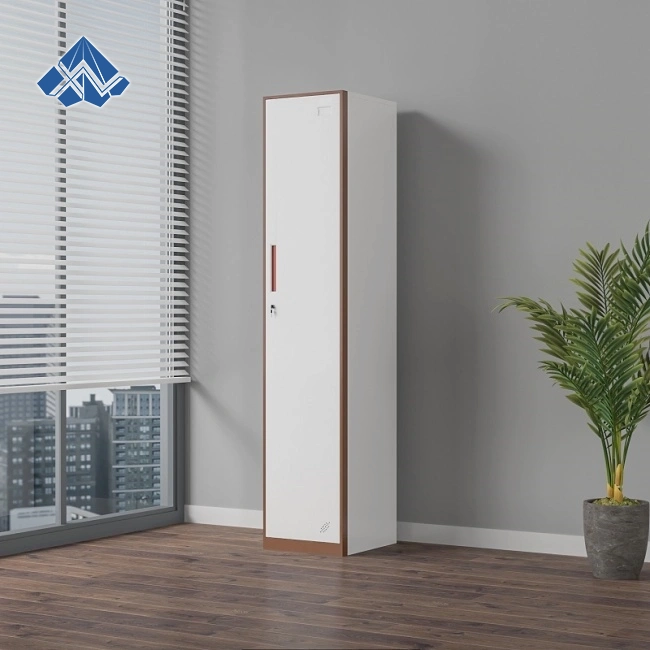
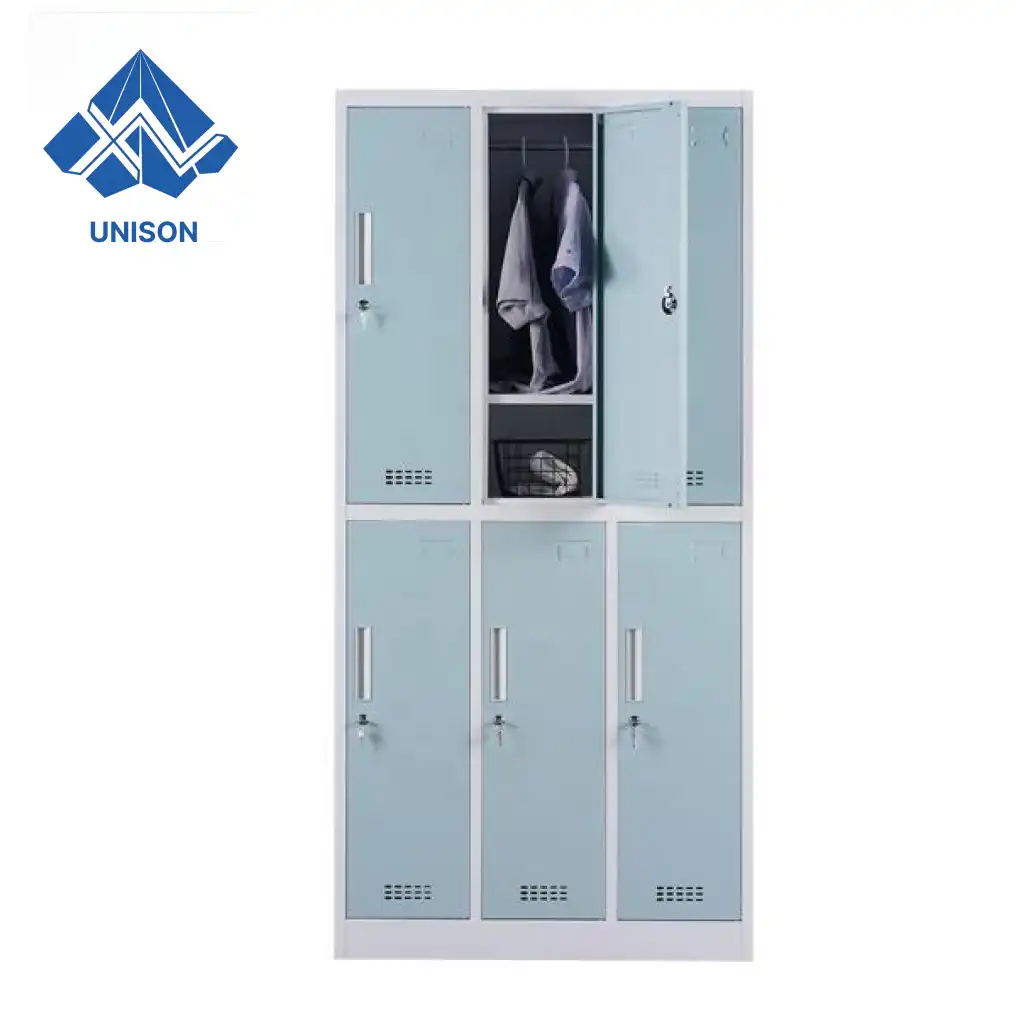
When looking at storage depth, the 6 Door Steel Locker usually makes better use of the room than the 4-door models. A normal 6-door unit with measurements of 1850 x 900 x 450 mm can fit six people in the same vertical space as a 4-door model, which means that it has 50% more storage space per square meter. This vertical compartmentalisation lets buildings fit more people without having to add more floor space. However, the size of each room gets smaller as the number of doors increases. For example, each door in a 6-door system gives you about 300 mm of height, while each door in a 4-door system gives you 450 mm. The 6-door form makes the best use of room in places where user density is more important than individual store volume.
Understanding Space Utilisation: 6-Door vs 4-Door Steel Lockers
Space planning in commercial and institutional facilities demands precise calculations of footprint efficiency and user capacity. The fundamental difference between 6-door and 4-door steel storage units lies in their vertical compartment distribution, which directly impacts how many individuals can access secure storage within a defined area.
Footprint Analysis and Floor Space Requirements
When built to standard specs, both types of lockers take up the same amount of space on the floor. These are the standard unit sizes: 1850 mm tall, 900 mm wide, and 450 mm deep. Because the size stays the same, the space benefit comes from splitting up and down rather than growing across the board. When procurement managers are working with limited space, they find that higher-door-count setups make more room for users without needing more space. Putting in 6-door units instead of 4-door units in a 100-square-meter storage room can increase the number of people who can use it from 80 to 120, which is a 50% increase that directly leads to lower facility design costs.
Compartment Size Trade-offs
Because multi-door designs are divided vertically, there is a basic trade-off between number and volume. After structural construction is taken into account, each section of a 6-door steel locker has about 308 mm of vertical clearance. Comparatively, each section of a 4-door locker has about 462 mm of vertical clearance. When keeping big things like helmets, boots, or big bags, this difference is very important. Schools that store textbooks and sports gear often find that 4-door models work better for their students, while business offices that store handbags, computers, and jackets find that 6-door systems are better for them because they are more dense.
Measuring Storage Density Effectiveness
Facility planners use several metrics to judge how efficient storage is: the number of users per square meter, the amount of space each user can use, and the height of the doors that need to be opened for entry. When properly configured, a 6-door unit can hold 6 people per 0.405 square meters, which is about 14.8 people per square meter. This is in contrast to 4-door units, which can only hold 9.9 people per square meter. However, each person gets 0.122 cubic meters of space in the 6-door layout compared to 0.183 cubic meters in the 4-door layout. Knowing these numbers helps buying teams make sure that the standards for lockers meet business needs and price limits.
Key Factors Influencing Space-Saving in Steel Lockers
Beyond door count, several design and construction elements significantly affect how efficiently storage units utilise available space and serve users over their operational lifespan.
Material Gauge and Wall Thickness Impact
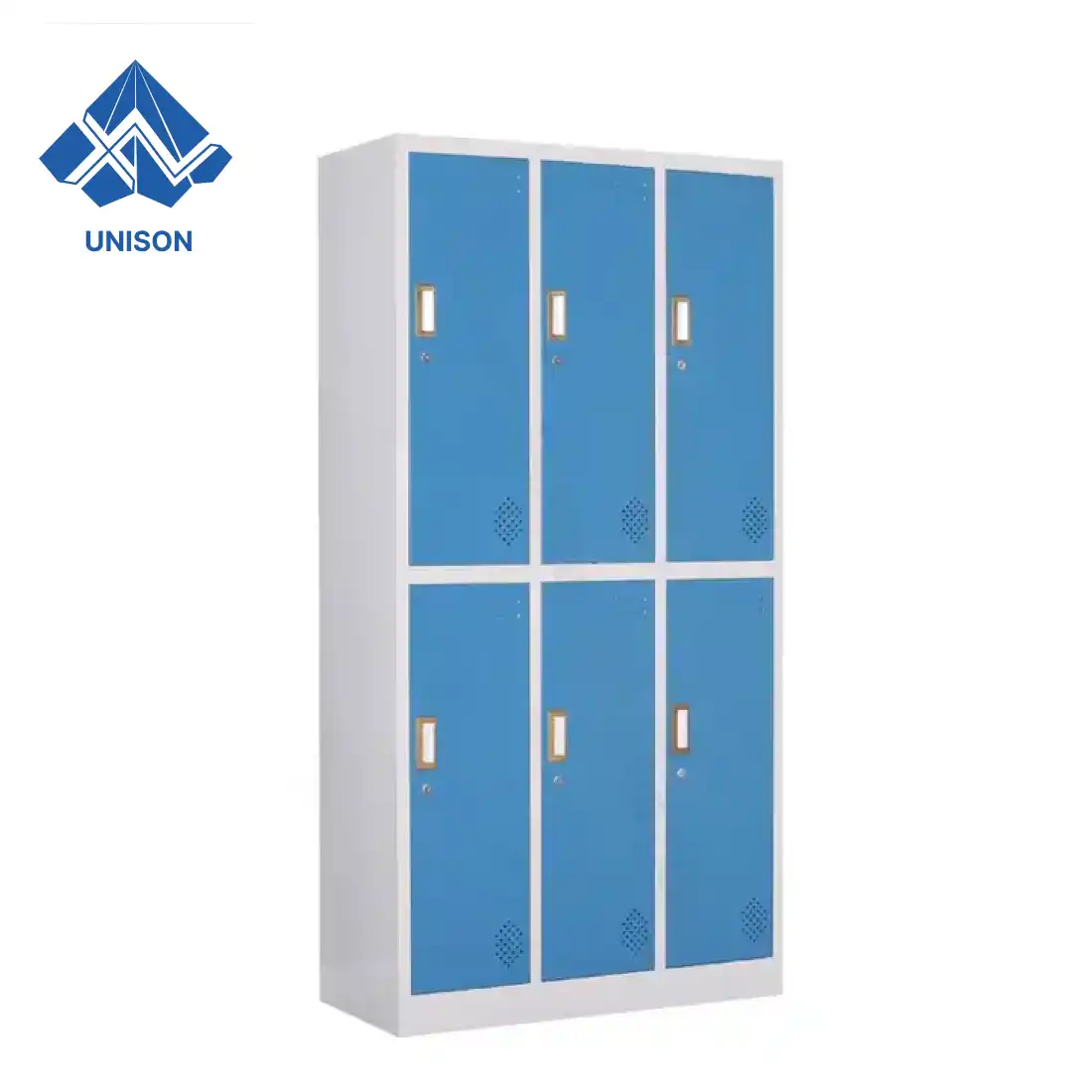
Both size and longevity are directly affected by the quality of the manufacturing process. High-grade cold-rolled steel construction, which is the standard for quality units, keeps the structure strong with smaller gauge material than lower-quality options require. Our 6 Door Steel Locker is made of carbon steel that is shaped by cold pressing and bending. This makes the frames strong without making the material too thick, which would take up space inside the locker. Spray sealing and high-temperature baking are used to treat the surface. This makes it resistant to wetness and wear without adding any extra bulk. This technical method keeps the unit's fullest potential while making sure it can survive decades of daily use in workplaces, schools, and office buildings.
Ventilation Design and Internal Configuration
Having enough airflow for a multi-person 6-door locker keeps smells from building up and keeps items from getting damaged by water. However, ventilation features must be built in without taking away from the storage room. Stamped louvre designs placed carefully along door panels let air flow while keeping the structure stiff. These holes only take up a small amount of surface area—usually 8 to 12 per cent of the door face—so the internal volume is kept. The form of the ventilation also affects where the lockers are placed; units with rear ventilation panels need to be set back from walls, which means they take up more room. Our manufacturing process includes front-facing airflow that gets rid of the need for a back room. This lets us put the product close to the wall, which frees up important floor space in tight spaces.
Locking Mechanisms and Hardware Considerations
The choice of security gear affects both how it works and how much space it needs. People who use traditional locked hasps need to bring their own locks, but integrated cam locks or RFID digital systems make entry easier without any extra parts. The placement of the hardware changes the door swing space, which is an important thing to think about when figuring out how wide the aisle between locker rows needs to be. Usually, there is 900 mm of space between doors that open outward, but this needs to be increased if people often need to get to their rooms while bringing bags or tools. If you choose inset handle designs over visible hardware, the door will project 15 to 20 mm less, which could make hallways smaller or allow for more locker rows in small areas.
Practical Space-Saving Applications for Various Industries
Different operational environments present unique storage challenges that favour particular locker configurations. Understanding these context-specific requirements guides procurement decisions that optimise both space utilisation and user satisfaction.
High-Density Environments: Schools and Gyms
Both schools and exercise centres have a lot of people who need storage room for their personal belongings, but they need it to be safe and not too big. A high school with 1,200 students needs a safe place for students to keep their books, gym clothes, and personal items during the school day. Adding 6 Door Steel dressing units to halls and dressing rooms makes room for this group of people within the buildings that are already there. Each normal unit, which is 1850 x 900 x 450 mm, can serve six kids, so 200 units are needed to cover everyone. If the school had chosen 4-door layouts instead, it would need 300 units for the same number of students, which would take up 50% more wall or floor space. Because of this economy, building costs are cut directly, and valuable square footage for classes and shared spaces is kept.
Industrial and Manufacturing Settings
When compared to business or school spaces, factory settings have different needs. During shifts that last between 8 and 12 hours, workers usually store bigger things like boots, safety gear, coats, and personal items. The 4-door layout usually works better for these situations because it has 462 mm of vertical space, which means that steel-toed boots and hard hats can fit without being squished. But places with specific clean-room rules sometimes use two systems: 6-door units are used in clean areas to store small personal things like wallets and phones, and 4-door units are used in changing areas to store safety gear and clothing. This combined method makes the best use of the room by allocating it based on how much storage space is needed in each zone.
Corporate Offices and Coworking Spaces
Hot-desking and flexible office setups are popular in today's workplaces, which means that people need personal storage even though there are fewer designated desks. Even if they don't have their own desks, employees still need safe places to keep their computers, papers, charge cords, and personal things during the workday. More and more, office managers are putting locker systems in break rooms or hallways so that each team member has a fixed place to store things while their work assignments change. The 6 Door Steel Locker is great for this job because business users usually only store small amounts of stuff, so the smaller section sizes are fine, and the higher density lets whole teams fit into small spaces. Customisation choices let you match the colours to the style of your office by choosing finishes from RAL and Pantone colour charts that go with your interior design.
Comparing Costs and Procurement Insights for B2B Buyers
Budget considerations for multi-person 6-door lockers extend beyond initial purchase price to encompass total lifecycle costs, including installation, maintenance, and eventual replacement. Procurement professionals balance upfront investment against long-term value when specifying storage solutions for institutional and commercial projects.
Initial Purchase Price Structures
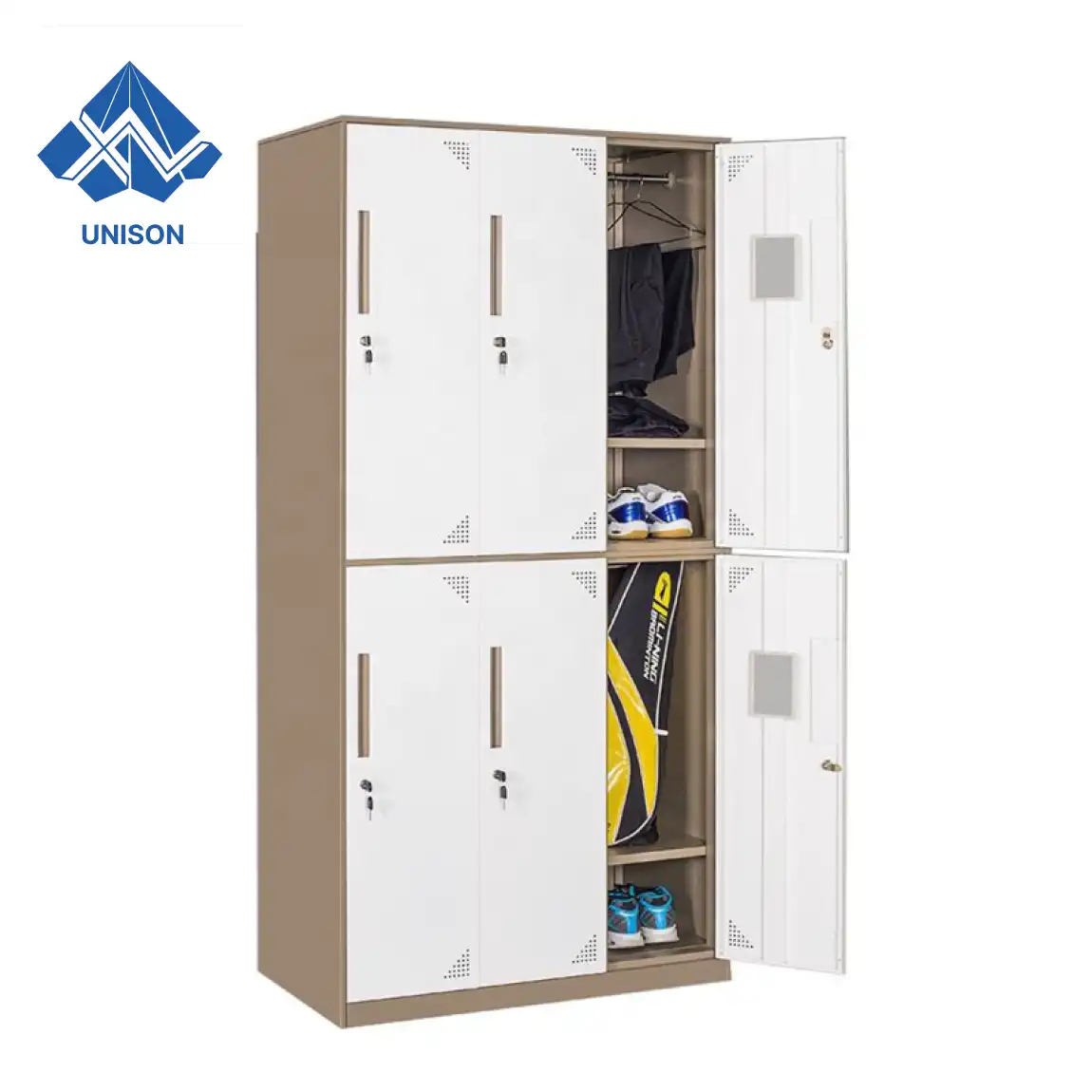
Due to more complicated production, the 6-door design usually costs 15–25% more per unit than the 4-door model. The cost of making something goes up because it needs more door panels, hinges, closing systems, and assembly labour. When you look at the cost per user served, though, the math changes. For example, if a 6-door unit serves six people instead of four, the per-user spending goes down by about 10-15%. Because of this logical fact, 6-door systems are more cost-effective for projects that need to fit as many people as possible into a limited budget. These savings are even bigger when you buy in bulk; orders over 100 units often qualify for tiered price structures that lower the cost per unit by 8–12% compared to small-lot orders.
Total Lifecycle Value Analysis
Long-term operating costs are directly affected by durability through the amount of upkeep needed and the number of times it needs to be replaced. In most industrial settings, high-quality buildings using cold-rolled steel and the right surface treatment will last 15-20 years. Cheaper options made from smaller-gauge material, on the other hand, will only last 8–12 years. The higher price at first for high-quality units—usually 20 to 30 per cent more—disappears over a longer service life, lowering the total cost of ownership each year. When facilities don't change locker systems too soon, they escape the costs of removal, installation labour, and business interruptions that come with locker system upgrades.
Delivery and Installation Considerations
The 6 Door Steel Locker systems are shipped in pieces to save space on shipping and reduce the amount of freight that needs to be moved. Shipments come with installation directions and video lessons, so building care teams can put things together without the help of specialised workers. When compared to fully built delivery, which needs expert installation labour, this method cuts the total cost of the project by 12–18%.
How to Choose the Right Steel Locker for Your Space Optimisation Needs
Strategic locker selection requires a systematic assessment of facility requirements, user patterns, and future expansion possibilities. This decision framework guides procurement professionals through specification development.
Assessing Current and Projected User Capacity
First, figure out how many people need to access the files at the same time. Schools figure it out by adding up the number of students, teachers, and staff. Fitness centres look at the number of members during busy hours instead of the total number of members. In factories, workers are counted by shift, even if shift changes happen at the same time. By adding 10 to 15 per cent of extra capacity, you can handle future growth without having to expand the system too soon. A building that serves 240 people should list room space for 270 to 280 people, so that the building can adapt to changing organisational needs.
Evaluating Item Size and Storage Volume Requirements
Figuring out what people store will help you choose the right section sizes. A short user survey can help you avoid specification mismatches by showing you the most common item sizes. When corporate workers store their computers, handbags, and coats, they usually stay within the 6-door section size. Factory workers who need to store their hard hats and boots need 4-door vertical openings. There are different needs for educational institutions that store things like papers, sports equipment, and musical instruments, which could lead to mixed setups that mix the two types of systems in different parts of the building.
Calculating Spatial Footprint and Aisle Requirements
Take into account building features like entrances, fire equipment, and electrical lines when measuring the available floor space and wall lengths for locker placement. A standard hallway width of 900 mm between rows of lockers that face each other makes it easy for people to move in a single line. Places with a lot of foot traffic gain from 1200mm gaps, which allow movement in both directions during rush hours. To find out if it's possible, multiply the number of units needed by the 900mm width, add the side gaps, and then compare the result to the room that's available. Facilities with limited space can benefit more from the number of 6 doors, while facilities with plenty of room can choose to favour bigger section sizes.
Specification Checklist for Procurement Documents
By making detailed technical specs, you can avoid mistakes and make sure that the goods you give meet operational needs. Dimensions, material gauge thickness, surface finish type, preferred locking mechanism, colour choice, air needs, and safety certifications are some of the most important parts of a design. Before placing a big order, you can get a better idea of what you're buying by asking for samples or visiting the manufacturer's facilities. Our OEM and ODM services can meet specific needs, such as embossing with a company logo, changing the way things are put together inside, and using special finishes for different environments.
Conclusion
Strategic locker selection that makes the best use of space has measured practical benefits across a wide range of building types. Compared to 4-door options, the 6-door steel locker design allows 50% more people per square meter, which is better user density within limited areas. This benefit is especially useful in places like schools, gyms, and business offices where buying choices are based on getting the most users possible. However, 4-door designs with bigger compartments are better for business settings and uses that need to store larger amounts of items individually. Professionals in procurement get the best results by carefully looking at things like user groups, storage needs, space limitations, and lifetime costs. Quality building with cold-rolled steel and the right surface treatment guarantees decades of reliable service, turning the original investment into long-term value through sturdiness and low upkeep needs.
FAQ
What are the exact dimensions of each compartment in a 6-door locker?
Standard 6 Door Steel Locker units measuring 1850×900×450mm provide approximately 308mm of vertical clearance per compartment after accounting for structural framing. The internal width reaches roughly 880mm, and depth extends to 430mm, delivering 0.122 cubic meters per user. These dimensions accommodate typical personal items, including bags, laptops, shoes, and folded garments.
Can locker units be customised for specific colour schemes?
Comprehensive customisation options include colour matching to both RAL and Pantone colour chart standards. The powder-coating process accommodates custom finishes that align with institutional branding or architectural design schemes. Custom colour orders typically add 5-8% to baseline unit costs with no impact on structural performance or delivery timeframes.
How do 6-door lockers perform in high-humidity environments?
Manufacturing processes incorporate spray coating and high-temperature baking that create moisture-resistant surfaces suitable for gym, pool, and coastal facility installations. The carbon steel substrate resists corrosion when properly finished, delivering reliable performance in humidity conditions exceeding 80%. Regular cleaning with standard sanitising solutions maintains surface integrity without degrading protective coatings.
Partner with LY Unison for Your Steel Storage Solutions
Procurement teams seeking reliable metal locker supplier partnerships benefit from our comprehensive manufacturing capabilities and customer-focused service approach. LY Unison brings over 20 years of industry experience to every project, delivering 6 Door Steel Locker systems and complete steel furniture solutions backed by ISO 9001 and ISO 14001 certifications. Our advanced production facilities handle bulk orders with 25-day delivery commitments, while OEM and ODM services accommodate custom specifications that differentiate your facility or brand. The integrated design and production model eliminates coordination complexity, providing one-stop solutions from initial specification through final installation. Contact our technical team at lysteelart@lysteelart.com to discuss your specific requirements and receive detailed product specifications that address your space optimisation challenges and budget parameters.

References
1. Henderson, M. (2021). Commercial Facility Space Planning: Maximising Storage Density in Institutional Environments. Industrial Design Publishing.
2. Reynolds, T. & Chang, S. (2020). Steel Manufacturing Processes and Surface Treatment Technologies. Materials Engineering Press.
3. Patterson, K. (2022). Procurement Best Practices for Educational and Commercial Furniture Systems. Facility Management Institute.
4. Morrison, L. (2019). Workplace Storage Solutions: Design Strategies for Agile Office Environments. Corporate Space Planning Association.
5. Williams, D. (2021). Durability and Lifecycle Costing in Metal Furniture Specification. Building Products Research Council.
6. Thompson, R. (2020). Space Optimisation Strategies for High-Density User Environments. Architectural Planning Quarterly.

CUSTOMER REVIEWS & GLOBAL PROJECT FEEDBACK
Trusted by Clients Worldwide for Quality Steel Furniture