



4 door steel lockers vs 6 door lockers: which is better for gyms?
When gyms compare locker layouts, the choice between four-door and six-door types is mostly based on the number of users, storage needs, and available space. Individual spaces in 4 Door Steel Lockers are usually bigger, measuring about 1850mm in height and split into parts. This makes them perfect for members who need to store bulky items like gym bags, helmets, and multiple layers of clothing. Six-door models make the best use of vertical space by making sections smaller, which is useful for facilities with a lot of users. Four-compartment steel units are the best choice for most business gyms with modest traffic and a variety of storage needs because they are easy to reach and have enough space.
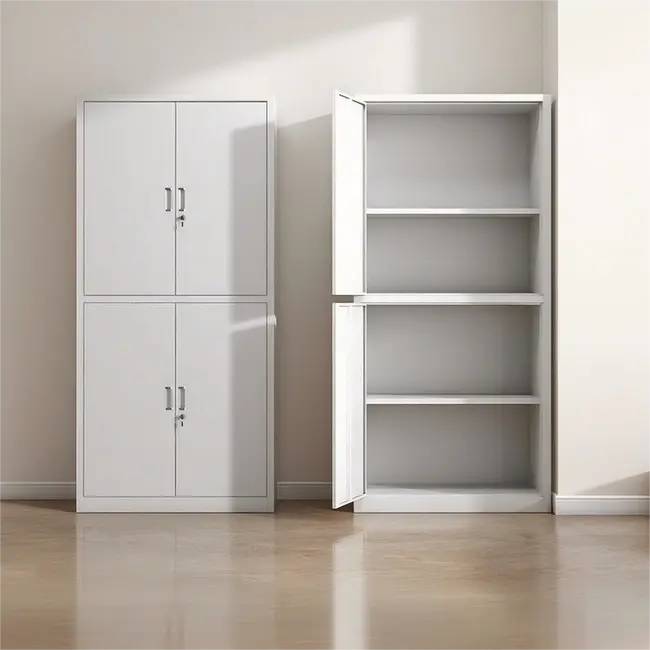
Understanding the Key Differences Between 4 Door and 6 Door Steel Lockers
Dimensional Specifications and Space Utilization
When comparing locker systems, the size of the area is a very important factor. A basic steel locker box that is 1850 x 850 x 400 mm can be set up as either a four- or six-compartment setup. In four-door models, each room has about 462 mm of vertical height, but in six-door models, each area only has about 308 mm.
This difference in dimensions has a direct effect on what users can keep. Four-compartment designs let people store winter coats, laptop bags, and sports gear that is too big for them without having to squeeze their things in. Six-compartment options work best in places that want to make the most of the space they have, but each compartment's storage space drops by about 33%.
Material Construction and Structural Integrity
Cold-rolled steel (SPCC grade) is used as the base material in both designs, but the structural support is different depending on the number of compartments. Four-door steel units usually have door panels made of 0.7mm to 1.0mm gauge steel, which makes them more resistant to damage from impacts that happen a lot in gyms. In four-compartment types, there are fewer horizontal dividers, which also means there are fewer places where metal could become weak over time.
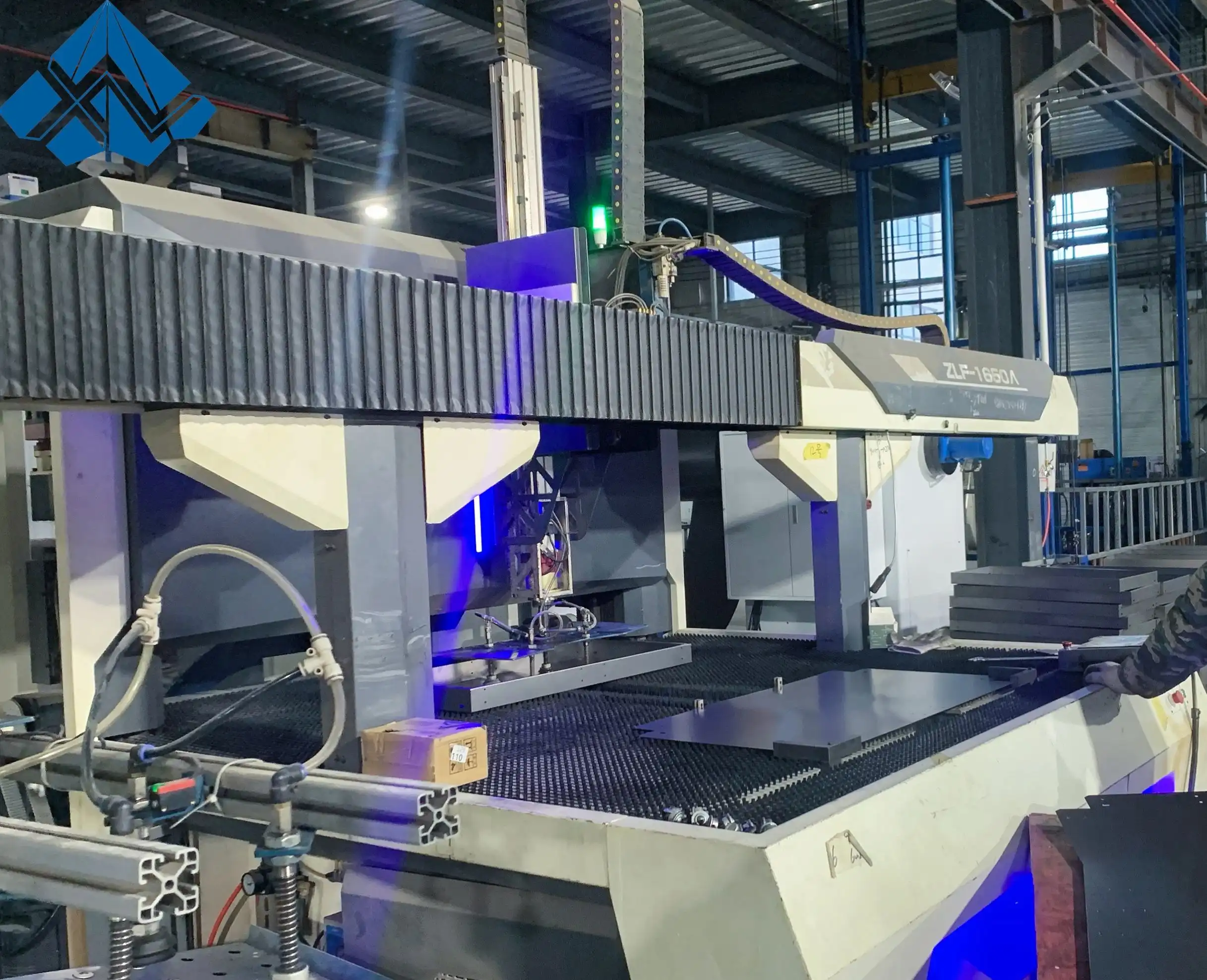
Precision CNC cutting and twisting are used to make these storage systems, and then the surfaces are treated in several steps. The steps of degreasing and phosphating make sure that the electrostatic epoxy-polyester powder coats stick properly. When this finish is cured at temperatures above 180°C, it forms a barrier that doesn't let water through. This is important in gyms where humidity from showers and sweat speeds up rusting.
Compartment Configuration and User Accessibility
When you look at how things are used every day, ergonomic issues become clear. The highest storage area in four-compartment systems is about 1850 mm above the floor, which means that people of normal height will have to reach a little higher, which is a doable task for most adults. The lowest section is about 400 mm below the floor, which makes it easier to get to without putting too much stress on your back.
When there are six doors, the vertical placement is more extreme. For shorter people, the top spaces may be out of reach, and the bottom parts require deeper bends that can be hard for older members or people who have trouble moving around. These human factors affect how happy members are and should be taken into account when buying 4 Door Steel Lockers for places that serve a wide range of groups.
Key Factors Influencing Locker Choice for Gyms
Security Mechanisms and Theft Prevention
Members will trust your storage system based on how well the locks work. Metal lockers with four doors usually have more than one way to lock them. They can be set up to work with padlocks, integrated cam locks, mechanical combination systems, or RFID electronic access controls. Because the door's surface area is bigger, the closing strike plates can be made stronger to stop attempts to break in.
The strength of the steel for 4 Door Steel Lockers has a direct effect on how well it protects people. A structure made of cold-rolled steel with the right gauge thickness is more resistant to pry attempts than smaller options. Our manufacturing process makes sure that all door panels and frame parts have the same material qualities. This makes them all equally resistant to tampering. If your building has a high theft rate, you should ask for units with hidden hinge systems that get rid of any visible pivot points that could be used to remove pins.
Ventilation Design and Hygiene Standards
The way air flows through lockers has a big effect on how useful they are in gyms, where wet clothes and shoes are perfect for growing smells and mildew. There are two main ways to let air flow into a four-compartment design: pierced door panels with holes placed in different places, or louvred vent strips on the top and bottom ends.
Four-door models naturally let more air flow through their compartments because they have more room than six-door models, which are more crowded. Each extra cubic centimetre of internal space makes it slightly easier for wetness to evaporate. For locker systems, places with pools or hot conditions should choose ones with good air first, and four-door types may be best even though they have fewer lockers per door.
Durability Under Heavy Usage Conditions
Lockers in commercial gyms are used a lot every day, which quickly shows up any problems with the way they were made. Door hinges must be able to handle more than 50,000 opening and closing turns without breaking or wearing out. Four-door steel systems spread this mechanical stress over fewer hinge points per vertical unit, which could make them last longer than six-door systems that need to be maintained at more connection points.
The longevity of the surface layer is also very important. Quality steel lockers have a powder coating that is cured at high temperatures and doesn't get scratched by gym bags, shoes, or cleaning chemicals. As part of regular maintenance, the coating's durability should be checked, especially around areas that get a lot of use, like door edges and buttons. Touch-up methods for small scratches stop water from getting under the protected finish and starting to rust.
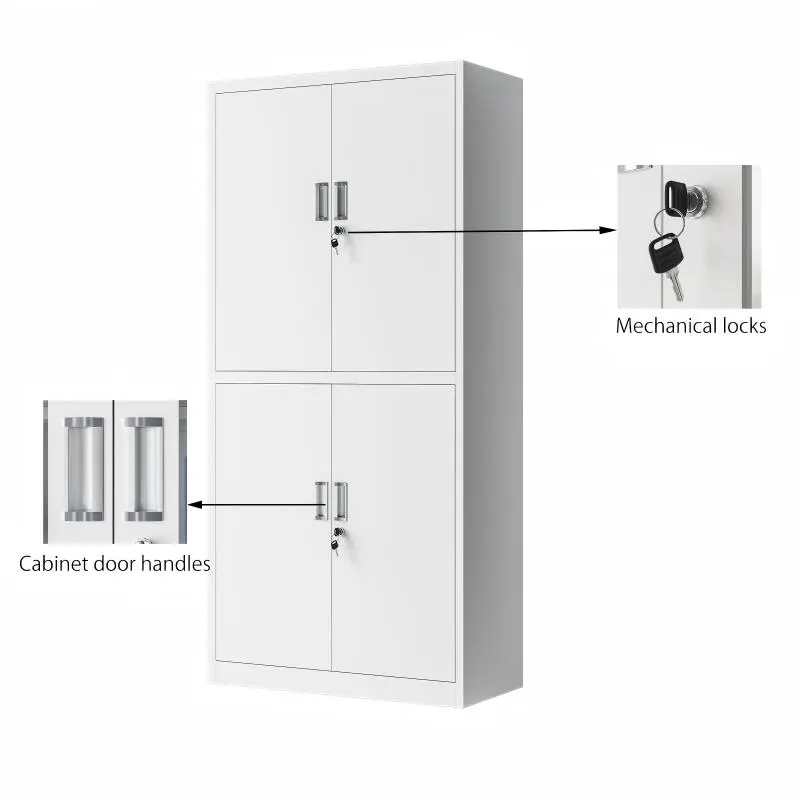
How to Choose the Right Locker Based on User Needs and Gym Type
Evaluating Facility Traffic Patterns and Peak Usage
Looking at the facility's traffic patterns and busiest times
Understanding how your members usually use your services is the first step in planning your capability. When it's busy, facilities with 500 or more people a day need different solutions than small workshops with 50 to 75 clients a day. Four-door steel setups work well in gyms with a modest number of members whose arrival times are spread out fairly evenly during business hours. This keeps locker access from getting backed up.
Peak usage research shows if your building has problems with focus. If 70% of daily members arrive within a two-hour window in the morning, you have a density problem that requires the highest number of lockers, which could mean that six-compartment systems are best. On the other hand, schools with randomly scheduled classes and different arrival times can afford the less crowded 4 Door Steel Lockers that offer more storage space per user.
Balancing Initial Investment Against Long-Term Value
When making budgets for purchases, it's important to include the total cost of ownership, not just the price of the purchase. Due to the need for more material and support, four-compartment steel lockers usually cost 15-20% more per unit than six-compartment lockers of the same size. This upfront price gives real returns through less frequent upkeep and longer replacement rounds.
To find the cost-per-compartment-year, divide the total cost of purchase by the number of storage areas and the expected service life. In professional gym settings, good four-door systems that get the right surface treatment and structural strengthening usually last between 12 and 15 years. Cheaper options might need to be replaced every 7 to 8 years, which would cancel out any savings that were seen at first. When reviewing quotes from different suppliers, business-to-business buyers should ask for information about the materials, the thickness of the finish, and the number of hinge cycles.
Space Planning and Installation Considerations
Your design choices for 4 Door Steel Lockers are limited by the length of the walls that are available. As a general rule, an 850mm-wide locker unit can fit one four-door or six-door unit on every meter of wall room. The most important difference is the number of people served per linear meter: four users vs. six users. Four-compartment models can be used to favour user experience in spaces with a lot of square footage, but businesses with limited room must maximize density.
Installation issues also play a role in the choice. When we make things, we use knockdown (KD) construction designs that cut shipping volume by about 70% compared to fully soldered options. This flat-pack design lowers freight costs for large orders, which is important for shippers and builders who are in charge of outfitting more than one building. With basic hand tools, installation directions, and a video guide, putting together a four-door steel unit usually takes 25 to 30 minutes per unit.
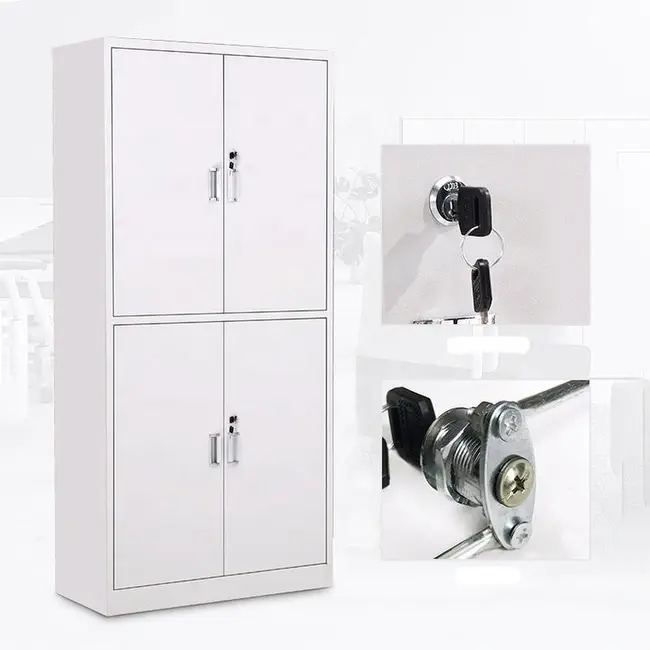
Procurement Insights: Where and How to Buy Steel Lockers for Gyms
Sourcing from Certified Manufacturers
The supplier you choose affects the standard of the products you get, how quickly they arrive, and how well they help you after the sale for as long as your locker system is in use. Manufacturers with a good reputation keep their ISO 9001 Quality Management System approval, which shows that they use standard rules for output and methods for ongoing improvement. More and more, buying choices are based on environmental concerns. This makes ISO 14001 Environmental Management System approval another useful badge for suppliers.
Additionally, our factory follows these quality standards and has other specific approvals, such as GB/T 28001 Occupational Health and Safety Management System compliance. These qualifications show that the company that sells you a 4-compartment steel locker follows strict rules for choosing materials, keeping an eye on production, and testing. During the seller screening process, buyers should ask for proof of certificates and check registration numbers with the organizations that issued them.
Understanding Pricing Structures and Volume Discounts
The price of a steel locker depends on how much the materials cost, how hard it is to make, how the surface is treated, and how much customization is needed. Standard four-door setups that don't need any special changes usually start at discount prices that credit customers who commit to buying in bulk. When you buy more than 50 units at once, you can save a lot of money because of economies of scale in material sourcing and production timing. This can cut costs by 12 to 18%.
In addition to unit prices, full quotes should include information about when the goods will be delivered, how they will be shipped, and if any fitting help is included. Orders that use stock colours from the RAL or Pantone systems have standard production lead times of 25 days. This time frame may be pushed back by 7–10 days if custom colour matching or special locking mechanisms are needed. This is because of the time it takes to find and add these unique parts to the production plan.
Customization Capabilities for Brand Alignment
The look of generic lockers might not go with the building's name or internal design themes. This problem can be solved by OEM and ODM services, which let you choose your own colours, add your brand, and change the size of the item. Four-door steel locker systems can be customized with labelled colour schemes that match your gym's visual character. This makes the whole experience for members, from the entrance to the changing room, more consistent.
Technical customization for a 4-compartment steel locker goes beyond how something looks. Facilities with specific space limitations can benefit from making changes to standard frame sizes so that they fit perfectly within the wall or ceiling lengths or heights that are available. During production, specialized locking systems can be added, such as unique fingerprint readers or electronic locks that can be controlled by a mobile app. These unique features give your building an air of being technologically modern while also making it safer.
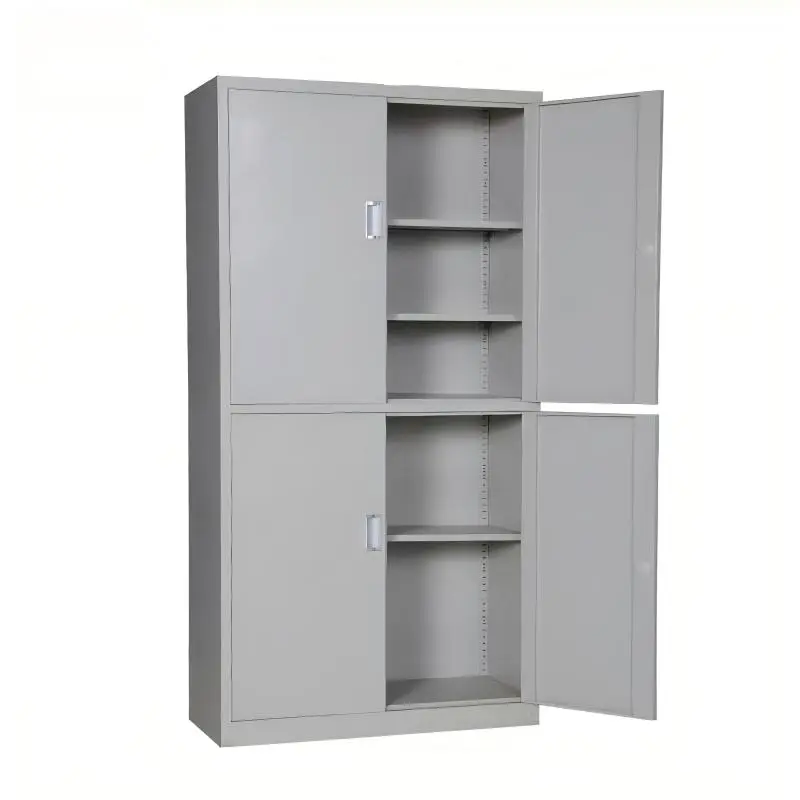
Case Studies: Successful Implementations of Locker Solutions in Gym Environments
Urban Fitness Center Adopts Four-Door Configuration
A business gym in a city that is 12,000 square feet recently updated its old locker system and now has about 800 regular members. Members told the building management team that they didn't like how crowded their old six-door system made storage, so they chose four-compartment steel units. As part of the makeover, 60 lockers with four doors were added to the men's and women's changing rooms, giving a total of 240 storage places.
Boutique Studio Maximizes Space with Strategic Selection
A yoga and Pilates school that was only 3,500 square feet had a hard time adding changing rooms because it didn't have enough room. With only 8 square feet of wall space to work with, the owners had to make the most of the room they had by storing as much as possible while still keeping the look that fit with their high-end brand. They chose a mixed approach: regular members could store a few things in six-door units, while special members and instructors could only use four-door steel units.
Conclusion
When deciding between 4 Door Steel Lockers and six-door locker designs, you need to think about a lot of practical factors, such as the number of people, the amount of storage needed, the available space, and your budget. 4 Door Steel Lockers offer more space for each item, longer sturdiness thanks to their strengthened construction, and better adaptability to meet the needs of a wide range of users. This makes them perfect for facilities that put member satisfaction and long-term infrastructure investment first. Six-door options work best in high-density settings where getting the most people per square foot is more important than individual storage needs. To make sure their room infrastructure supports operating goals for a long time, procurement teams should do thorough building reviews, look at how the space is used, and choose high-quality materials with the right certifications.
FAQ
Which locker type offers better security for valuable items?
Security effectiveness depends more on locking mechanism quality than compartment configuration. Both four-door and six-door steel lockers support equivalent locking systems, including cam locks, combination locks, and electronic access controls. The primary security differentiator lies in steel gauge thickness and construction quality. Units manufactured from 0.7mm+ cold-rolled steel with reinforced door frames resist forced entry attempts regardless of compartment count. Facilities concerned about theft should specify heavier gauge materials and concealed hinge systems during procurement.
Can small gyms benefit from four-door configurations despite space limitations?
Smaller facilities serving 100-200 members often find four-door systems provide adequate capacity while enhancing user experience. Calculate your peak occupancy requirements by analyzing the maximum simultaneous members during the busiest operational hours. If this figure represents less than 60% of your total membership, you likely need storage for 30-40% of total members at any given time. Four-compartment configurations serving this capacity deliver better storage functionality than cramped six-door alternatives, potentially improving member retention through enhanced amenities.
What customization options exist for matching gym branding?
Comprehensive customisation addresses both aesthetic and functional requirements. Colour selection from RAL and Pantone systems allows precise brand colour matching on locker exteriors. Logo integration through powder-coating stencils or adhesive graphics creates branded touchpoints throughout changing areas. Dimensional modifications accommodate unique spatial constraints or ceiling height limitations. Advanced customisation includes specialised locking systems, internal accessory hooks, and ventilation pattern modifications. These OEM services transform generic storage into branded facility elements supporting your overall member experience strategy.
Partner with LY Unison for Your Steel Locker Requirements
LY Unison brings over 20 years of manufacturing expertise to the steel furniture sector, delivering industrial-grade storage solutions that meet rigorous commercial gym demands. Our 4-compartment steel locker systems utilise premium cold-rolled steel with advanced surface treatment technology, ensuring moisture resistance and wear durability essential for high-humidity environments. As a certified manufacturer holding ISO 9001, ISO 14001, and GB/T 28001 credentials, we maintain strict quality control throughout production. Our OEM and ODM capabilities allow complete customisation, matching your facility's branding and functional specifications, with standard delivery timelines of 25 days. Contact our procurement specialists at lysteelart@lysteelart.com to discuss your project requirements and receive detailed quotations. Let us provide the reliable storage infrastructure your facility deserves.
References
1. Anderson, J. M. (2021). Commercial Fitness Facility Design: Space Planning and Equipment Selection. Fitness Industry Press.
2. Chen, L., & Roberts, K. (2022). Material science in commercial furniture: Corrosion resistance and durability factors. Journal of Industrial Materials, 18(3), 245-267.
3. Fitzgerald, R. (2020). Procurement Strategies for Institutional Buyers: Quality Assessment in Steel Products. B2B Publishing Group.
4. Howard, S., & Martinez, D. (2023). User experience factors in fitness facility amenities and member retention. Health Club Management Review, 29(2), 112-128.
5. National Fitness Equipment Standards Committee. (2022). Safety and durability specifications for commercial locker systems (Standard No. NFES-442). American Fitness Standards Organisation.
6. Thompson, W. R. (2023). Worldwide survey of fitness trends for 2023. ACSM's Health & Fitness Journal, 27(1), 9-18.

CUSTOMER REVIEWS & GLOBAL PROJECT FEEDBACK
Trusted by Clients Worldwide for Quality Steel Furniture
YOU MAY LIKE
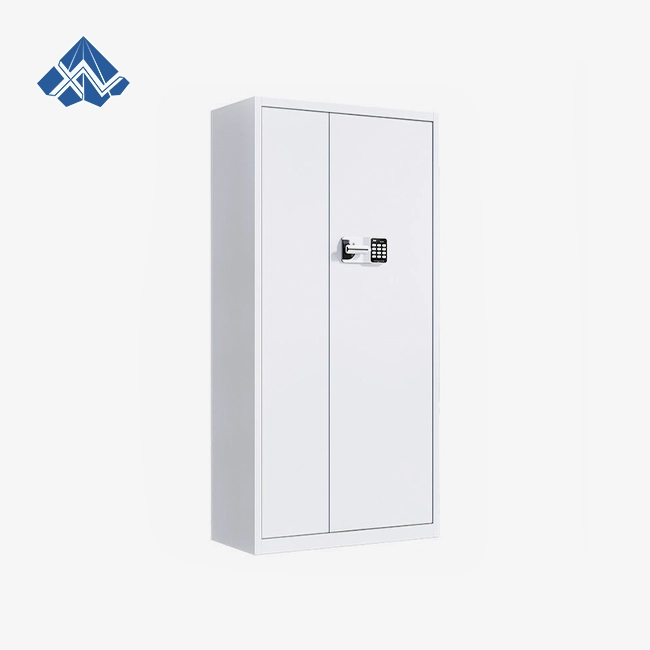 VIEW MOREWhite Metal Combination Storage Cabinet
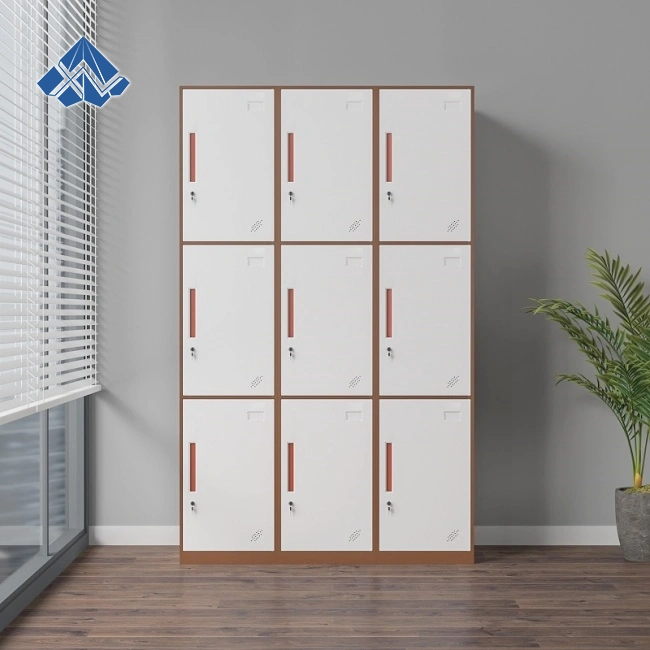 VIEW MORE9-Door Foldable Locker
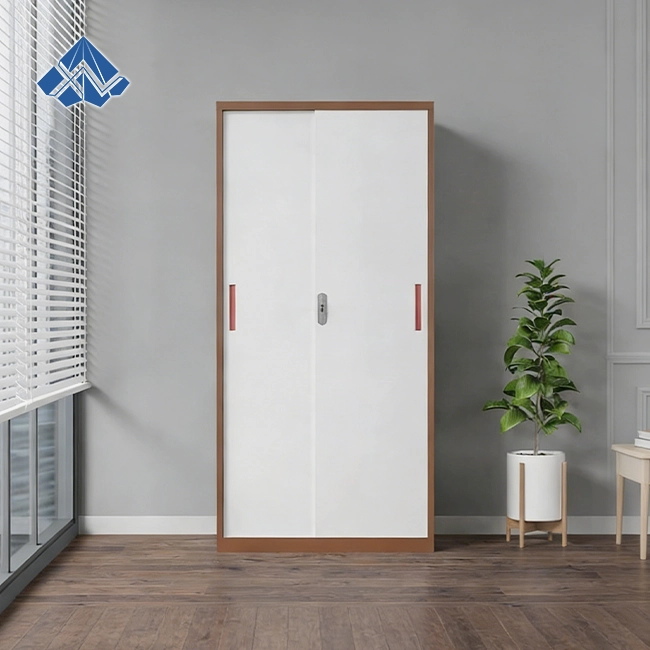 VIEW MORESliding Door Steel Cabinet
 VIEW MORESingle Column 2-door Steel locker
 VIEW MORE10 Door Steel Locker
 VIEW MORESchool Desk With Chair Attached
 VIEW MORE9 Door Steel Locker
 VIEW MORE2 Drawers Fixed Pedestal Storage File Cabinet