


Electric vs manual mobile shelving system: which is better?
Facility planners and procurement managers have to make a smart choice when they have to choose between electric and manual mobile shelving systems. An Electric Compact Mobile Filing Cabinet is powered for ease of use and has more advanced features. On the other hand, manual systems are cheaper and easier to use mechanically. Which option is better relies on how your facility is used, your income, the amount of work that needs to be done, and your operational goals. Electric systems usually work best in high-frequency settings where speed and comfort make the investment worthwhile. On the other hand, manual systems work well in moderate-use settings where cost-effectiveness is still the most important factor. When procurement teams understand these differences, they can choose options that are in line with long-term business goals.
Understanding Mobile Shelving Systems: Electric vs Manual
Traditional rigid storage has been greatly improved by mobile shelf technology. These systems put shelving units on wheeled carts that move along floor tracks. This gets rid of aisles that aren't needed and increases storage space by up to 70% compared to regular filing systems.
What Defines Electric Mobile Shelving
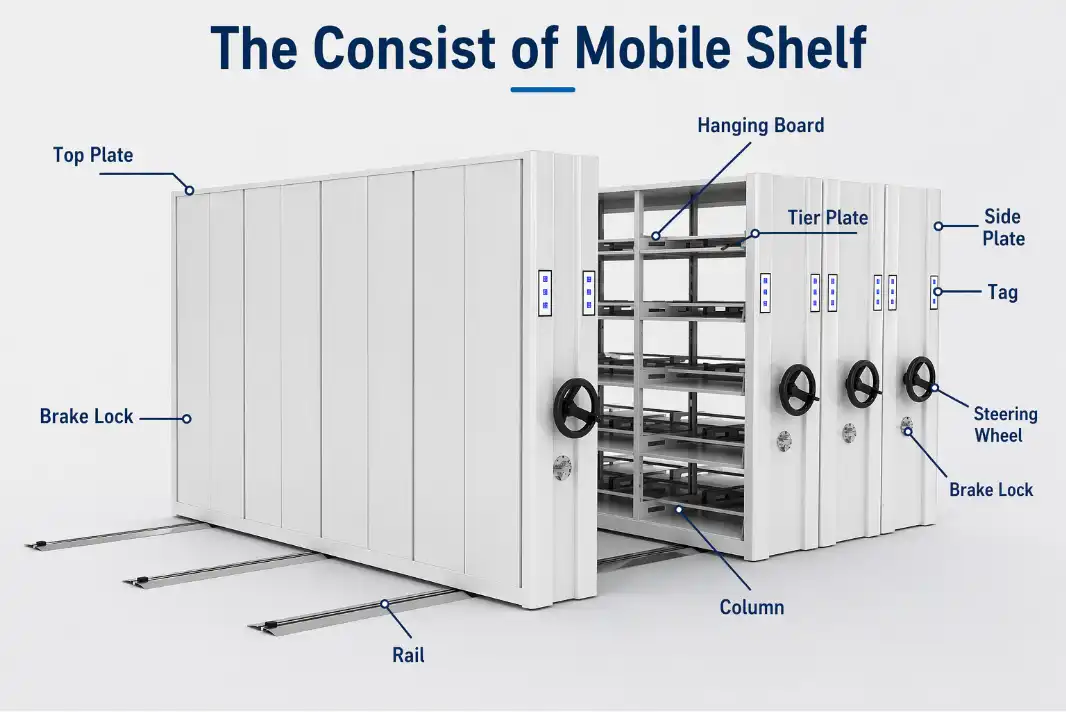
Electric mobile shelving systems use motors to move shelves and have smart control interfaces. Units with low-voltage DC motors move easily along tracks without users having to do anything. They can be controlled by touchscreens, remote controls, or software integration. An Electric Compact Mobile Filing Cabinet usually has LCD screens that check things like temperature and humidity in the environment, and database access lets you keep a close eye on your goods. With less than 60dB of noise when they're moving, these systems work with pinpoint accuracy. Safety features like infrared sensors and pressure-sensitive strips stop the cart from moving as soon as they sense an obstacle. This keeps both people and the items safe. It's especially helpful for places that need to store big things or make a lot of retrievals during the workday, as the design is powered.
How Manual Systems Function
Manual mobile shelving is powered by hand cranks or other devices that help it move. By turning handles, users turn on a chain drive system that moves the cars along tracks. Quality manual systems have gear ratios and bearing systems that make moving fully loaded units weighing several thousand pounds easier, but they still require some physical effort. In addition to being very reliable, manual systems have simple mechanical designs that make them easy to maintain. Since these units don't have any electrical parts or control systems, they can still work when the power goes out, and they don't require a lot of technical knowledge to use. Manual mobile shelving works well in moderate-use areas where cost is an issue and automation would be better, like small institutional libraries, school storage rooms, and office file areas.
Typical Applications Across Industries
In high-throughput manufacturing settings, electric devices are the norm. Government departments that are in charge of huge document libraries use electric mobile shelves to make it easier to find records quickly while still following security rules. Medical facilities use motorized systems to store pathology slides and keep track of patient records. When these systems are integrated with hospital information systems, staff can quickly find specific files by automating the placement of aisles. A lot of schools, small professional offices, and projects that need to stay within price use manual methods. When contractors stock school libraries or executive offices, they often ask for manual mobile shelving, which helps with storage density while also staying within the project's cost limits. Because mechanical systems have been shown to last a long time, they are a great choice for business buyers who need long-term service without having to do regular electrical repairs.
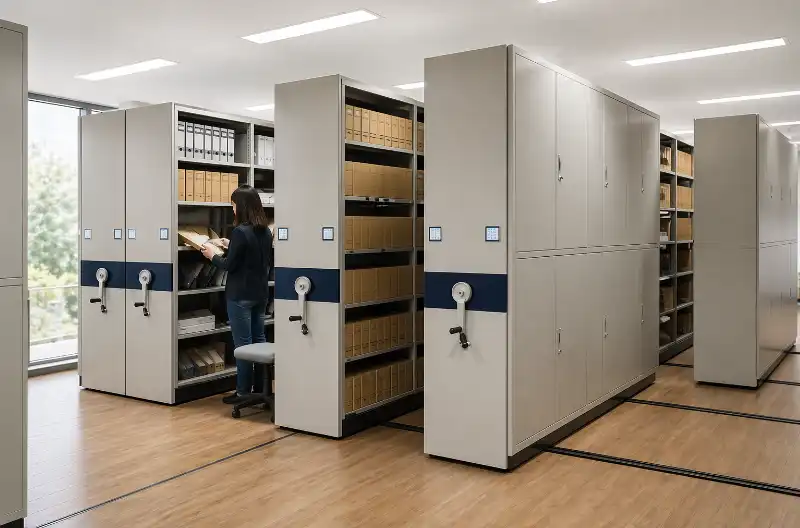
Comparison of Electric and Manual Mobile Shelving Systems
To rate these technologies, you have to look at many aspects of their performance that have a direct effect on how well they work and how much they cost to own. There are different benefits to each method, based on the needs and usage trends of your facility.
Performance and Operational Efficiency
Electric mobile shelf systems are faster and better for your back. When you press a button on a controlled Electric Compact Mobile Filing Cabinet, it moves right away, opening lanes without putting too much pressure on staff. This efficiency goes up a lot in places where people reach files dozens of times a day, which is called "high-volume retrieval." Over years of use, labor cost savings add up as workers shift their focus from physical cranking to tasks that add more value to the business. Manual methods need 15 to 30 seconds of physical work to open each aisle, depending on the weight of the cart and how well the mechanism works. This may not seem like a big deal, but places that get hundreds of accesses every day may find that the time lost adds up and slows them down. However, this performance gap isn't as big when it comes to lower-frequency tasks like retrieving archives every three months or accessing seasonal goods. In these cases, manual operation is totally fine.
Space Optimization and Capacity
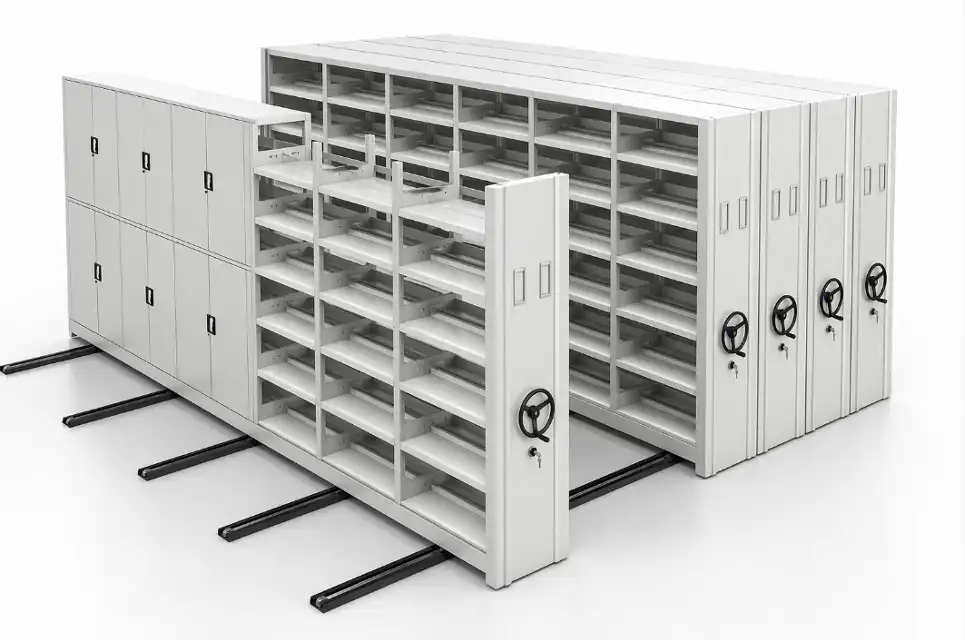
By getting rid of aisles, both electric and human mobile shelving systems can save room in the same way. The higher storage density is not due to a better power source, but to better design principles. When set up correctly, mobile shelving can hold 50–70% more than standard rigid shelving that takes up the same amount of space. The Electric Compact Mobile Filing Cabinet, which is 2400x1000x580mm, is a good example of how to use space efficiently. These units are made from cold-pressed carbon steel and have a high-temperature baked covering on the outside. They can handle heavy industrial use and don't get damaged by water or wear. With load-bearing abilities between 80 and 150 kg per shelf layer, these shelves can hold a lot of documents, books, or other things that need to be stored in places like offices, hospitals, schools, and homes.
Safety Features and Risk Mitigation
There are many safety features built into electric systems that human systems don't have. When people walk into the aisles, infrared barriers stop the carriages from moving. When they touch, pressure-sensitive edge strips stop the process, getting rid of pinch points. Motor overload protection keeps the system from getting damaged by objects, and anti-tilt mechanisms keep it stable while it's running. For manual systems, basic mechanical safety features like locking devices that keep carriages in place and handle designs that keep fingers from getting pinched are used. The lack of motorized movement gets rid of electricity dangers, making manual systems naturally safe in places where simple operation means less training is needed. The structure of high-quality manual mobile shelves is strong enough to last for years of use without breaking down.
Durability and Maintenance Requirements
Because hand methods are so simple to operate, they last a very long time. Since there are no motors, control systems, or electrical parts, the only upkeep that needs to be done is cleaning the tracks and lubricating the bearings every so often. Installing mobile shelves by hand usually gives 20 to 30 years of steady service with little upkeep. This makes them appealing to big buyers who care about long-term asset value. Electric systems need regular upkeep, like checking the motors, calibrating the sensors, and updating the control systems. When good makers make parts, they make them to last longer, but electrical parts naturally wear out faster than mechanical parts. When procurement teams do a total cost study, they should include repair contracts and the possibility of replacing parts. When you compare high-end manual systems to well-designed electric units, however, the differences in how long they last become much smaller, especially if both are properly maintained.
When to Choose Electric Over Manual: Decision Support for B2B Procurement
To make a strategic choice between these tools, you need to look at a lot of things that are unique to your business and operational needs. The following factors give a structured way to make decisions about buying.
Usage Frequency and Volume Analysis
Buildings that expect a lot of daily access—50 or more—benefit from electric systems that work efficiently. Spending more money on healthcare records departments, busy government archives, and business data centers is worth it because they save time and make people less physically stressed over time. An Electric Compact Mobile Filing Cabinet gets rid of fatigue-related slowdowns during busy times and keeps recovery speeds the same, no matter how heavy the carriage is. Either technology might work in settings with moderate use that access files 10 to 30 times a day. Do a cost-benefit study of the higher electric bill versus the time you expect to save on work over the expected life of the system. Low-frequency tasks like accessing archives every three months, storing seasonal goods, or filing in a reference library rarely justify investing in electricity because they don't add much to output when done by hand.
Load Weight and Ergonomic Considerations
Electricity is better when there are a lot of stored loads. When each carriage weighs more than 3,000 pounds when fully loaded, operating it by hand becomes physically difficult, even though it has technical benefits. Motorized movement takes away the risk of repeated strain injuries in places like healthcare facilities that store large collections of pathology slides or industrial buildings that store a lot of technical documents. Lighter applications that store standard business papers, educational materials, or retail records usually stay within the range of comfort for manual operation. These days, manual mobile shelves have efficient gear ratios that let a single person move heavy loads. Think about the exact storage quantity you need and look at the load charts that makers provide to find the right technology.
Budget Constraints and Total Cost of Ownership
When compared to electric setups of the same type, manual systems usually require a smaller initial investment. This low price makes it appealing to school systems, small municipal buildings, and cost-controlled business projects that are looking to buy. The lack of electrical installation needs further lowers the cost of implementation, since manual systems only need to be installed on a track and don't need any specialized circuits or control wires. Electric systems cost a lot, but they're worth it because they're efficient and have lots of extra features. Find the total cost of ownership by estimating how much time and money you will save on upkeep and how long the product is expected to last. Electric systems usually pay for themselves in three to five years through increased efficiency in places that work long hours or multiple shifts. Offering financing choices from manufacturers can help spread costs and boost productivity right away.
Integration with Existing Infrastructure
These days, electric mobile shelving works with inventory records, building management systems, and networks for tracking the environment. This connection helps organizations that are trying to go digital or that are putting in place smart building projects. Integrating a database makes it possible to automatically find records, and weather sensors keep private materials safe by constantly checking the storage conditions. Manual methods work on their own and don't need any IT hardware or ongoing software licenses. This ease is appealing to businesses that want to be operationally independent and count on technology as little as possible. Facilities that don't have strong IT support or that work in rural areas may prefer manual systems that don't require as much technology knowledge and don't have to worry about connection problems.
Current Market Landscape and Product Options
When buying, teams know what goods are available and what suppliers can do; they can find solutions that meet their needs while still meeting quality standards and delivering on time.
Leading Manufacturers and Product Features
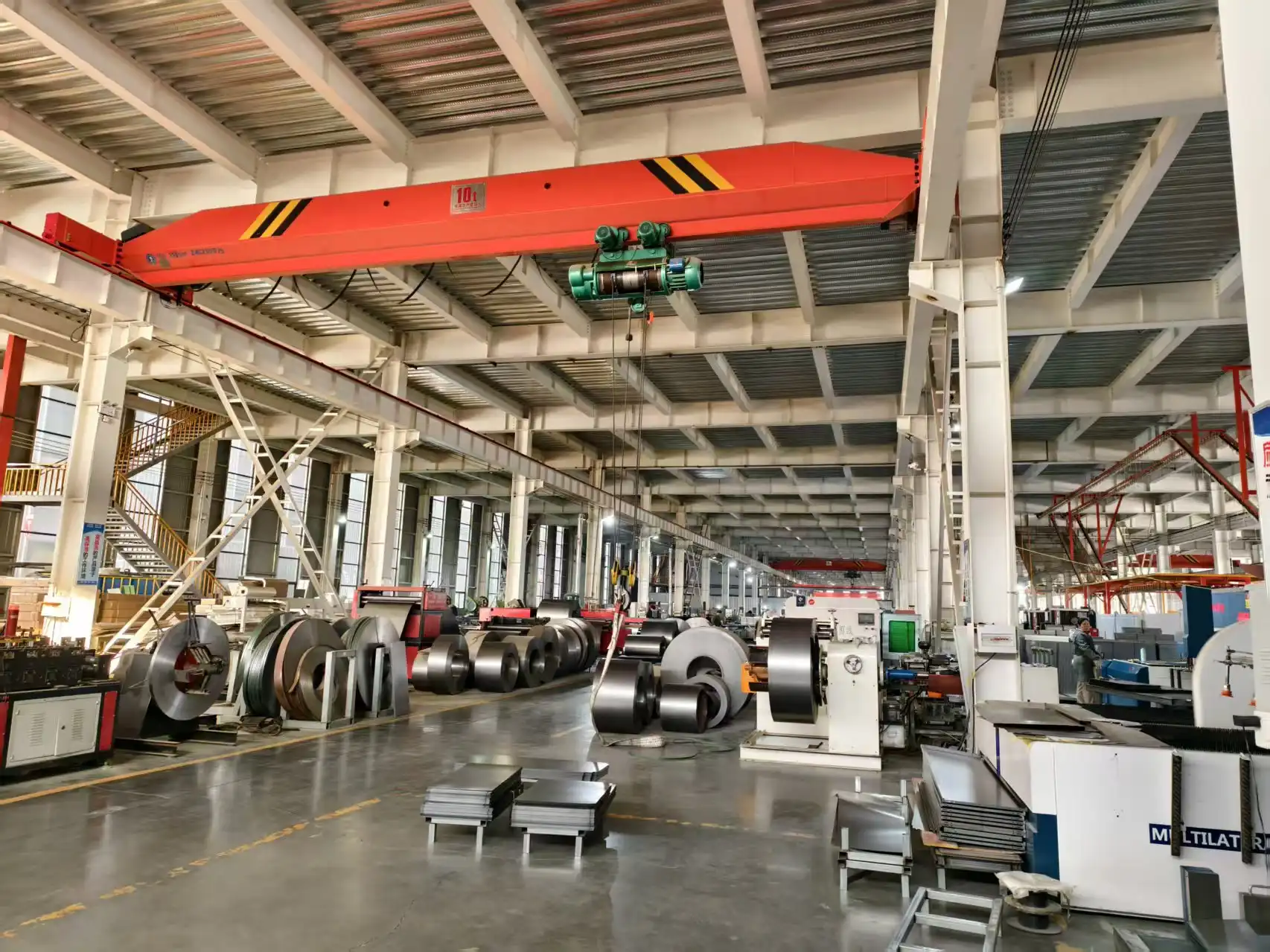
There are a lot of well-known companies in the mobile shelf market that make a wide range of products, from cheap manual systems to high-end electric setups. Differentiating quality isn't based on simple usefulness, but on the building materials used, the choices of parts used, and how well the features are integrated. Luoyang Unison is a great example of a company that combines traditional resilience with new technology. Their Electric Compact Mobile Filing Cabinet is made of SPCC cold-rolled steel that is 0.8 mm thick, which is 33% thicker than the normal guideline. This gives the cabinet great structural stability. The high-temperature baked powder finish goes through strict adhesion tests and salt spray tests to make sure it will last in tough educational settings. Customizable color choices that meet RAL and Pantone standards make it possible to connect brands and match the look of the building. Product certifications give buyers peace of mind. The ISO 9001 Quality Management System certification makes sure that industrial standards are always met, and the ISO 14001 Environmental Management certification shows that production methods are environmentally friendly. Compliance with the Occupational Health and Safety Management System protects the health and safety of workers in production. The brand "Gangyicheng" and utility model patents, which include the Foldable Cabinet design (ZL 2013 2 0243987.44), show that the company is truly innovative and protects intellectual property.
Customization and OEM Capabilities
Contractors and engineering firms working on projects need sources who can make solutions fit the needs and limitations of the building's architecture. Leading makers support both Original Design Manufacturing (ODM) and Original Equipment Manufacturing (OEM) agreements. This means that furniture distributors can get branded solutions and online sellers can get private label apps. Customization goes beyond changing the size and color. Internal design, such as the distance between shelves, the way drawers are arranged, and special storage sections, lets mobile shelving be used in a variety of ways. Medical facilities need to store pathology slides, law firms need to be able to hold a lot of documents, and business owners need heavy-duty shelves for technical instructions and parts catalogs. When suppliers offer full customization, they can turn standard goods into unique solutions that meet the exact needs of an operation.
Procurement Logistics and Delivery Considerations
Distributors and project workers who buy in bulk put dependability in the supply chain and product quality at the top of their lists. Delivery times have a direct effect on project plans, so evaluating a supplier's abilities is very important when choosing a provider. Established makers keep enough production capacity to handle both big orders from institutions and ongoing ties with distributors. A delivery timeline of 25 days is normal in the industry for standard setups. Customized solutions need more engineering and production planning time. Suppliers with strong global transportation partnerships make sure that deliveries are made consistently across all foreign markets. This is made possible by export paperwork and quality control standards. Total value is affected by warranty terms and assistance after installation. Investments in buying are protected by warranties that cover materials, workmanship, and the function of parts. Installation services or specific assembly instructions make execution easier, especially for contractors who are working on multiple projects at once and don't have a lot of skilled workers.
Practical Insights: Use Cases, Success Stories, and Future Trends
Real-world examples show how smart use of mobile shelving can help businesses make real returns, and new technologies hint at future features that will make storage systems even more valuable.
Case Studies Demonstrating ROI
A regional hospital system used electric mobile shelving to combine three different leases for record storage into one on-site building. The system made it possible to store 65% more things and got rid of yearly lease costs that were more than $85,000. Integrating their electronic health records system with their physical files made it 40% faster for staff to find files than when they had to do it by hand, which improved patient care during emergency room visits that needed old records. The local government's records department asked for manual mobile shelving while the building was being renovated on a tight budget. Within the current floor space, the installation doubled the amount of storage room while staying 30% below budget goals. Twenty years later, the system is still working well, and the only upkeep needed is cleaning it once a year and adjusting the tracks every once in a while. This proves the durability claims that were used to make the purchase choice. An engineering firm that was building a company's offices used electric mobile shelves to show off green building techniques in a technology showcase. Electric Compact Mobile Filing Cabinet setups had motors that used less energy and were made of steel that could be recycled, which was in line with LEED certification goals. Automated environmental monitoring kept old design papers safe and supported the company's dedication to resource management, which improved their brand's image among clients who care about the environment.
Emerging Technology Integration
Connectivity to the internet of things (IoT) turns mobile shelving from idle storage into active tools for managing inventory. Systems with sensors keep track of what materials are in certain places and update files as things move. This intelligence lets predictive analytics find materials that are frequently viewed and would benefit from being placed higher on the list. This makes recovery more efficient through machine learning. Smart environmental controls do more than just keep an eye on things; they also actively protect them. Modern systems change the HVAC settings automatically when they notice changes in humidity that could damage documents. Temperature sensors send out warnings before conditions get bad enough to damage sensitive materials. This lets people take action before damage happens, protecting archive investments. Improving energy efficiency helps meet environmental goals. These days, electric motors work better and use 30–40% less power than motors from earlier generations. Standby modes lower the amount of energy used when the device is not being used, but they don't slow down reaction times when users need to access it. These new ideas make it easier for companies to invest in mobile shelves that fit with their environmental duty goals and ESG reporting needs.
Future-Ready Procurement Strategies
When planning their storage system, businesses should keep in mind that technology is always changing and put reliability and functionality first. Specific adaptable designs that can be upgraded in the future as skills improve. Long-term financial value is protected by electric systems that allow control system improvements to happen without changing core parts. When you're excited about technology, you should also be realistic about what your business needs. Not every facility needs cutting-edge integration, and for stable, moderate-use apps, tried-and-true manual methods are often the best choice. Technology should help with operations instead of making things more complicated than they need to be. Sustainability factors are becoming more and more important in purchasing decisions. Suppliers who use green production methods, choose recyclable materials, and cut down on pollution are in line with the company's beliefs and meet legal standards. As the circular economy becomes more important, a supplier's environmental credentials become important evaluation factors along with standard quality and cost measures.
Conclusion
In the end, the choice between electric and manual mobile shelving systems comes down to the operational needs, budget, and long-term strategy goals of your building. There is no doubt that Electric Compact Mobile Filing Cabinets are more efficient in places with a lot of traffic and a lot of work to do. This is especially true when technology saves money on labor and makes things easier to do. Manual systems are very useful in light-duty situations where mechanical dependability and lower purchase costs are important because of budget constraints and operating patterns. When compared to standard static shelves, both technologies make storage a lot denser. To be successful at procurement, you need to be honest about how the system will be used, look at the total cost of ownership over the system's expected lifespan, and choose makers that are committed to building lasting products and providing reliable support. By using the choice frameworks described in this guide, procurement managers can be sure that the storage solutions they choose will meet the specific business needs of their company and give measurable returns.
FAQ
What energy consumption should we expect from electric mobile shelving systems?
Low-voltage DC motors are used in electric mobile shelf systems so that they work efficiently. During active moving, most units use 200 to 500 watts, which is about the same as normal office tools. Standby power use is usually between 10 and 25 watts, because control systems keep the sensors and displays working. The annual cost of energy is usually between $50 and $150 per unit, based on how often it is used and the price of power in the area. This is a very small cost compared to the value of the system.
Can electric compact mobile filing systems be customized to specific dimensional requirements?
Good makers allow full customization, which includes non-standard sizes, unique internal layouts, and features that are only useful for a certain purpose. Standard Electric Compact Mobile Filing Cabinet measurements are 2400x1000x580mm, which are good for most business and institutional needs. However, providers often make custom sizes to fit building restrictions or specific storage needs. Customization includes choosing colors based on RAL and Pantone standards, which lets the building look good together. Including makers early on in the planning process makes sure that the specs are reasonable and that the cost estimate is correct.
What safety certifications should procurement teams require?
Some important certificates are those that prove electrical safety meets national standards, structural load testing documents, and emergency stop functionality proof. Good providers keep their ISO 9001 Quality Management certification up to date, which makes sure that the manufacturing methods are always the same. Occupational Health and Safety Management System approval shows that workers are safe while the product is being made. When buying something for an organization, like the government or a hospital, make sure it meets accessibility standards and comes with a lot of information about how to use it safely, which will help with staff training.
Partner with LY Unison for Your Mobile Shelving Solutions
LY Unison has been making steel furniture for over 20 years and can help businesses that need stable, high-quality storage options. As an Electric Compact Mobile Filing Cabinet supplier, we offer both advanced production skills and full customization support. This lets buying teams choose systems that are perfectly suited to their needs. Our ISO-certified quality control methods make sure that every unit meets strict standards for sturdiness, and our patented designs, such as our foldable cabinet innovations, show that we are always working to make our products better. We know how hard it is for procurement managers, contractors, and marketers to find storage options they can trust. Our design and production processes are fully integrated, so we can handle both normal bulk orders and unique project requirements. We always deliver within 25 days, and we have partnerships with global shipping companies to back this up. Our technical team will help you through the whole process, whether you're setting up a hospital records department, a business office, or an institutional library. Get in touch with LY Unison right away at lysteelart@lysteelart.com to talk about your needs for mobile shelves. We offer all-in-one solutions that include long-lasting building, low prices, and the kind of quick service that turns sellers into trusted long-term partners who help your facility succeed.
References
1. Smith, J. & Anderson, K. (2021). Space Optimization in Modern Archives: A Comparative Study of Mobile Shelving Technologies. Journal of Institutional Facilities Management, 45(3), 112-128.
2. Morrison, R. (2020). Procurement Best Practices for High-Density Storage Systems in Healthcare Facilities. Healthcare Infrastructure Quarterly, 18(2), 67-82.
3. Chen, L., Williams, P., & Thompson, M. (2022). Total Cost of Ownership Analysis for Mobile Shelving Systems in Government Applications. Public Sector Facilities Journal, 31(1), 45-61.
4. BBInternational Association of Storage Equipment Manufacturers. (2021). Mobile Shelving Safety Standards and Best Practices: Industry Guidelines for Specification and Installation. IASEM Technical Publication Series.
5. Rodriguez, A. & Kim, S. (2023). Emerging Technologies in Intelligent Storage Systems: IoT Integration and Smart Inventory Management. Facilities Technology Review, 29(4), 201-219.
6. National Institute of Standards and Technology. (2020). Energy Efficiency Benchmarking for Motorized Storage Equipment in Commercial Buildings. NIST Special Publication 1500-8.

CUSTOMER REVIEWS & GLOBAL PROJECT FEEDBACK
Trusted by Clients Worldwide for Quality Steel Furniture