



Sliding door patterned wardrobe vs hinged door wardrobe: which is more practical?
When looking for storage options for businesses and institutions, choosing between cabinets with sliding doors or hinged doors has a big effect on how well they work and how much they cost. Floor-standing Patterned cabinet with sliding mechanisms works great in small spaces like dorms and offices because they don't need a clearance curve, and make it easy to get to things that are kept. On the other hand, hinged door systems are more classic and reliable, and they make it easier to get inside, but they need enough room to swing open. Both choices can be personalized with printing patterns to improve brand identity and the look of the surroundings. This means that the choice should be based on space requirements, usage frequency, and budget, rather than on a clear winner.
Understanding the Practicality of Sliding Door vs Hinged Door Patterned Wardrobes
When buying for a business, the choices for closet systems go beyond just store space. The people in charge of buying things for schools, hospitals, office buildings, and stores know that wardrobes have a direct effect on how well things work every day and how well the space works together. It is possible to store things safely in patterned closets, especially a floor-standing patterned cabinet, and they also help make professional spaces look better. The printed surfaces can have logos for the school, safety instructions, or designs that match the standards of the business character. More and more, modern business spaces need furniture that makes the most of useful floor space without making it harder to get to. The main way that sliding and fixed door systems work is different, which makes them better for different types of buildings. In hospitals with a lot of foot traffic, slide systems are better because the doors don't stick out into the hallways. On the other hand, executive offices might prefer hinged closets that let you see everything inside when they're open. When buying, teams understand these subtleties, and they can choose furniture that actually helps operations run smoothly instead of just taking up space on the floor.
Space Management Implications in Commercial Settings
Commercial real estate prices are going up in all of the United States' big cities, so making the best use of room is a must from a financial point of view. Compared to hinged closets, sliding door wardrobes take up about 24 to 36 inches less space per unit. This is because hinged doors need space for their opening arc. Getting back about 60 to 90 square feet of useful hallway or room space is what this means for a typical 40-unit dorm. Facility managers find slide systems very useful for turning storage rooms into offices or making the most of small office plans.
Aesthetic Consistency Through Printed Surfaces
Using patterned shelves is one way for institutions to keep the look of places that get a lot of use. With direct-to-substrate printing technology, a floor-standing patterned cabinet can show pictures that last longer than paint or sticky films. In healthcare facilities, calming colors with antimicrobial treatments built into the printed surface layer may be chosen, while in educational facilities, wood-grain or neutral geometric designs are often asked for to soften the look of industrial spaces. This ability to customize helps architects and interior designers make spaces that work well together, represent the values of the company, and improve the user experience.

Design and Functional Comparison of Sliding Door and Hinged Door Patterned Wardrobes
The way closet door systems are built mechanically determines how well they work in different business settings. Knowing these differences in design helps people who buy furniture match the details to how it will be used and the space limitations.
Operational Mechanics and Space Utilization
Parallel track systems let sliding door closets work. Doors slide horizontally along upper and lower bars. With this setup, there is no need for extra room in front of the cabinet, so it can be put in tight aisles or against walls next to it. Most track mechanisms use ball-bearing systems or nylon rollers. Higher-quality industrial units have soft-close brakes that keep the hardware from slamming and make it last longer. Cabinet depths are usually between 18 and 24 inches, and heights are usually between 72 and 84 inches, so that clothes can hang or flexible shelves can be put in place. Hinged door systems connect with side-mounted hardware, and they need the same amount of space in front of them as the door itself, which is usually 15 to 20 inches for normal units. This swing radius is a problem in small rooms, but it lets you see the whole inside of the cabinet when the doors are open to 90 degrees or more. Commercial-grade hinges have hidden European-style gears that are rated for 50,000 to 100,000 cycles. This makes them durable in places with a lot of access, like shared locker rooms or office supply closets.
Material Specifications and Pattern Durability
Cold-rolled steel (SPCC) is often used to build both types of wardrobes in industrial settings. Panel thickness can range from 0.8mm to 1.2mm, based on the load needs. Floor-standing Patterned cabinets that are made using UV flatbed printing or thermal transfer methods have patterns that last longer than vinyl wraps. The printed layer molecularly bonds with powder-coated surfaces, getting scratch resistance scores of 3H to 4H on the pencil hardness scale. This is important for educational settings where carts, equipment, and daily traffic constantly touch the surface. Pattern choices include fake wood grain, abstract geometric shapes, company names, and images with safety instructions. Patterns that go with classroom or dorm color schemes are often chosen by educational procurement departments. On the other hand, business sites may choose simple patterns that look professional. On many production lines, the printing method allows for full-color customization with no minimum order quantity. However, large orders do lower the cost per unit.
Installation Complexity and Project Timelines
Different systems have very different installation needs. Hinged door closets usually come halfway put together. The main things that need to be done on-site are attaching the doors and making sure they are level. In ready areas, a trained construction team can put 15 to 20 hinged units in place and make sure they are level every day. Sliding door systems need exact track positioning and door adjustment, which limits the number of units that can be installed each day to about 10 to 12 units. Modern quick-mount track systems and pre-hung door kits, on the other hand, have closed this efficiency gap. Suppliers who offer thorough installation guides and technical help are appreciated by project contractors who have to meet tight deadlines. Modular designs that allow for partial installation without needing full project area clearance are helpful for buildings that are getting furniture during renovations. These practical issues have a big effect on the overall project costs and on sticking to the schedule, especially in occupied buildings where work has to be done during limited entry times.

Durability, Maintenance, and Cleaning of Patterned Wardrobes
Long-term success in commercial settings rests on how durable the materials are and how easy they are to maintain. Instead of just looking at the purchase price, choices about what to buy should take into account the costs over the whole life of the item.
Material Quality and Structural Longevity
Electrogalvanized steel substrates used in high-end floor-standing patterned cabinets keep them from rusting in damp places like dressing rooms and facilities near the coast. According to ASTM B117 standards, the powder coating process makes a shield that is 60 to 80 microns thick and can withstand 500 hours of salt spray contact. This ability to prevent rust is very important in places like schools and hospitals where disinfectants are used a lot and regular cleaning would damage less durable finishes. When buying things, people who care about the environment look for sources that use recycled steel and water-based coating methods. These eco-friendly materials meet the standards for LEED approval without affecting the strength of the structure. Environmentally responsible manufacturing is becoming more and more important to institutional buyers who work on government contracts. This is pushing suppliers to use green production methods that lower volatile organic compound pollution and energy use.
Maintenance Protocols and Cleaning Recommendations
Patterned surfaces need simple upkeep steps that can be done by building staff who don't have special training. When you clean regularly, use light detergents and cotton cloths. Don't use rough cleaners that could dull printed surfaces. Sliding door tracks collect dust and other things that can get in the way of their smooth operation. This is why they need to be vacuumed every three months, and roller sections need to be oiled every so often with silicone-based oils. This upkeep need is still very small, but it's necessary to keep the level of operations high. When hinged door systems settle or get a lot of use, the hinges need to be adjusted every so often. Standard tools can be used by facility maintenance teams to make these changes, but expert paperwork from the source makes the process easier. Inspections of cabinet innards once a year can find rust spots or damage to the paint, so repairs can be made quickly before the damage weakens the structure.
Wear Patterns and Preventive Measures
Track connections and handle parts are where sliding doors wear out the most. Commercial-grade handles made of stainless steel or strengthened plastics last longer than basic stamped steel handles that are used every day. When you buy something, specifying heavy-duty roller assemblies makes it easier to keep up with upkeep over time, since high-quality parts keep working smoothly for over 100,000 runs. The quality of the hinges is an important specification feature because they focus stress at the mounting places. European hidden hinges with built-in soft-close systems spread forces more evenly than exposed hinges, which makes cabinets last longer. When cabinets rest on movable leveling feet that make up for uneven floor surfaces—which is common in older buildings that are being renovated—door alignment stays stable for longer.
Warranty Coverage and Supplier Support
Manufacturers with a good reputation usually back up structural parts with warranties that last three to five years. For business setups, the warranties can last longer. Warranty terms should make it clear when parts will be available, since fixing gear that has been taken off the market makes future fixes harder. When service needs to be done, suppliers who keep large stockpiles of parts and give technical help by email or phone cut down on facility downtime. These promises made after the sale set trusted manufacturing partners apart from transactional suppliers. This is especially important for institutions that need to manage large furniture inventories across multiple locations.
Cost Analysis and Procurement Considerations for Bulk and Custom Orders
When planning a clothing purchase budget, it's important to look at the costs of buying the clothes, having them customized, and the costs of logistics. Strategic sourcing choices weigh the costs of the initial investment against the costs over the whole lifetime.
Comparative Pricing Structures
Because of the track system parts and the need for accurate production, sliding door closets usually cost 15% to 25% more than hinged models with the same features. Standard 72-inch units with double folding doors cost between $280 and $420 each when bought in bulk of 50 or more, based on the type of material and the complexity of the pattern. When the order conditions are the same, hinged door versions usually cost between $240 and $340 per unit. These numbers show how the market was in 2024 for commercial-grade steel buildings with a normal powder coating and printed designs in a single color. Depending on how complicated it is, customization adds extra costs. Full-color photographic printing adds $35 to $60 per unit, and designs that look like wood grain or geometry add $15 to $30 per cabinet. When requested during the initial planning stages of production, institutional logos or safety advice images can be added with little extra cost. When you order 100, 250, or 500 units, you get a big discount on the price per unit. The biggest savings happen when you order 100 to 250 units.
Customization Capabilities for Project-Specific Requirements
More and more, business-to-business purchases need furniture that fits specific space requirements and performs specific tasks. Leading providers allow for customization of sizes, interior layouts, locking systems, and finishes that look good. When furnishing hospital patient rooms, project builders might ask for shallow-depth cabinets (16 inches) to save space for movement, while full-height units (84 inches) could be needed to make the most of vertical storage. There are different ways to set up the inside, such as with movable shelves, hanging rods, combination plans, and special sections for storing tools. Floor-standing Patterned cabinet can have ventilation louvers for storing sports gear or stronger shelves for big things. Customizations like these usually add two to three weeks to the lead time, but they make it possible to get furniture that really works with the intended uses instead of making compromises on how it works.
Logistics and Installation Coordination
When you buy from known makers overseas, you have to coordinate ocean freight, customs clearance, and marketing in your own country. Shipping prices are affected by how well the containers are packed. Depending on how well they are packed, 40-foot high-cube containers can hold between 180 and 220 closet units. Experienced sellers offer shipped prices that include freight, which makes it easier to make purchases and lessens budget confusion. When furnishing a building that is already occupied, it is very important to coordinate domestic delivery. Deliveries that happen in stages, in line with building goals, keep the site from getting crowded and keep furniture from getting damaged by the construction. For big jobs that take place over several quarters, suppliers who offer warehousing and just-in-time shipping are very helpful. When you buy furniture with installation services included, it's easier to keep track of the whole job, but many workers prefer to do it themselves to stay on schedule.
Supplier Selection and Partnership Criteria
Long-term relationships with suppliers are good for businesses that are handling ongoing projects to expand and renovate their facilities. When evaluating a supplier, you should look at how much they can make, how flexible their customization options are, and how quick their customer service is. ISO certification is a basic way to make sure that the process is always the same, and workplace checks show the real working conditions and quality standards. Consolidated buying is possible when suppliers offer a wide range of products. This cuts down on management costs and often leads to better prices through volume consolidation. Communication timeliness is what sets great providers apart from average ones. During design development, there are a lot of technical questions that need to be answered right away. Procurement teams value partners who can answer these questions with knowledge within work hours. This practical support is especially helpful when projects run into problems that were not expected and need to make quick changes to specifications or speed up production plans.

Practical Application Scenarios and Buyer Decision Guide
By matching the specifications of a wardrobe to its working needs, you can be sure that your furniture purchases will work as planned and make users happy. Different types of facilities have different needs that should be taken into account when choosing a system.
Educational Institution Applications
Schools and colleges that supply dorms try to make the rooms as space-efficient and long-lasting as possible so that students can use them. Floor-standing Patterned cabinet with sliding doors works great in normal school rooms that are 12 feet by 15 feet, where hinged doors would take up valuable floor space. Patterns with school colors or mascots help the institution stand out while also making storing easier. Double-door designs with built-in shelves and hanging space make it possible for semester closets to fit without the need for extra furniture. When a full internal view helps with inventory management and speed of entry is more important than saving space, hinged systems are best for classroom and office storage. Hinged cabinets in teacher workrooms and supply closets make it easier to get to multiple sections at once during material preparation times.
Healthcare Facility Requirements
Wardrobes in hospitals and medical offices need to meet strict cleanliness standards and help with infection control. Powder-coated steel surfaces are better able to handle being disinfected over and over than bonded wood surfaces. Wardrobes in patient rooms usually have sliding doors so that they don't get in the way of medical tools or beds. Staff locker rooms can have either system, based on how much space is available. Printed designs used in healthcare settings are more and more often made with antimicrobial additives in the coatings. This keeps the surface clean between cleaning processes. Neutral patterns or plain colors keep the professional look that's right for clinical settings. However, areas for kids might have happy graphics that make patients feel less anxious.
Corporate Office Implementations
In offices, both useful storage and aesthetic harmony are important. In executive areas, hinged closets with high-end finishes are common. In open-plan offices, sliding systems may be used to separate areas without using physical walls. Modern office design trends that focus on natural materials and a range of textures include floor-standing patterned cabinets with prints that look like wood grain or cloth. Hot-desking and hybrid work models need safe personal storage that workers can access on a regular basis for flexible office ideas to work. This need is met by wardrobe systems with lockable sections; electronic closing options are available for higher security and to keep track of entry in private areas.
Industrial and Warehouse Storage
Durability and resistance to contamination are important to manufacturing sites and delivery hubs. Heavy-duty steel cabinets that are built to last can take hits from moving tools and materials. When there aren't many spaces between pieces of equipment, sliding systems work better. On the other hand, hinged cabinets work better in places like tool cribs and repair shops where full view speeds up work. When used in industrial settings, printed designs often have safety colors (like yellow caution lines or red emergency labels) or equipment diagrams that help with standard storage procedures. These visual cues cut down on training time and support the 5S methods of organization that are popular in lean production settings. We know that making choices about procurement means weighing a lot of different factors that are specific to each job. Our Floor-standing Patterned cabinet options can be tailored to meet a wide range of needs thanks to their high production quality and ability to be fully customized. Our combined design support, flexible production capacity, and commitment to delivery reliability keep projects on schedule and within budget, making us a good choice for businesses looking for reliable furniture partners.
Conclusion
In conclusion, the question of whether sliding or hinged door closets are more useful can be answered by carefully looking at space limitations, usage habits, and budgetary limits. Sliding systems make better use of the room and look more modern, while fixed doors are more reliable and easier to open from all sides. When made to professional standards with good materials and tried-and-true building methods, both choices last a very long time. Modern printing technologies let you change the patterns on furniture so that it fits with the name of an organization or the design of an area without affecting its functionality. Floor-standing Patterned cabinet Partnering with makers that offer a wide range of products, quick expert support, and logistics services that meet project deadlines and quality standards is key to successful procurement.

FAQ
What advantages do sliding door wardrobes offer over hinged models in commercial settings?
With sliding door systems, you don't need as much room for door swing clearance, which saves you 24 to 36 inches per unit compared to fixed options. This smart use of space is especially useful in small student rooms, tight office hallways, and storage areas with a lot of items, where each square foot costs a lot. Sliding doors also don't get in the way of furniture or traffic, which makes places with a lot of people safer. The parallel door action lets users get to the inside of cabinets without having to take a step backward. This makes work easier in small areas.
How should facility managers maintain patterned cabinet surfaces to preserve appearance and durability?
Cleaning printed surfaces regularly with mild detergents and soft cloths keeps them in good shape without harming the protected layer. Do not use rough scrubbing or harsh cleaners that could dull patterns or scratch powder-coated finishes. Sliding door tracks need to be cleaned of debris every three months, and silicone lubricant needs to be applied every so often to keep them running smoothly. Inspections once a year that find small damage to the layer allow quick repairs before rust weakens the structure. Following the upkeep instructions given by the maker will make sure that the warranty coverage lasts as long as the protection time does.
Can suppliers accommodate custom dimensions for large institutional projects with unique spatial requirements?
Cabinet sizes, interior layouts, and aesthetic requirements are often changed by well-known makers to meet the needs of particular projects. Depending on how complicated the change is and where the production queue is at the time of the customization, it can add two to four weeks to the production lead time. Changes to dimensions, pattern choices, and hardware differences work best when they are planned for during the initial purchase phase, rather than being made in the middle of production. Suppliers with experience in B2B institutional projects help with engineering during the design creation process. This makes sure that custom solutions meet structural needs and operational standards while still being cost-effective at the project scale.
Partner With Us for Your Commercial Storage Solutions
When it comes to buying business furniture, LY Unison has more than twenty years of experience in making it. They specialize in floor-standing patterned cabinets that meet strict institutional standards. Our wide range of products includes closets with sliding and hinged doors that can be customized to fit the needs of your project. We also offer OEM services to help wholesalers and resellers build their brands. We use ISO-certified quality control throughout the whole production process to make sure that all large orders have the same level of toughness and finish quality. Our modern production center can handle custom sizes, pattern printing, and changes to the configuration, and there are no minimum order requirements that slow down smaller projects. Global logistics relationships let you schedule deliveries in a way that keeps your installation schedules on track, whether you're setting up a single facility or managing transfers to multiple sites. Email our technical team at lysteelart@lysteelart.com to talk about your unique needs and get thorough proposals. As a reliable Floor-standing Patterned cabinet provider, we'd love the chance to show you how our production skills and focus on customer satisfaction can help you succeed in your procurement.
References
1. American Society for Healthcare Engineering. Furniture Specifications for Healthcare Facilities. Chicago: ASHE Publications, 2023.
2. Bergman, T. and Foster, R. Commercial Furniture Durability Standards and Testing Protocols. Journal of Institutional Procurement, vol. 34, no. 2, 2024, pp. 112-128.
3. Educational Facility Planners Association. Dormitory Furniture Selection Guidelines. Denver: EFPA Press, 2023.
4. Henderson, M. Space Optimization in Commercial Real Estate: Furniture Solutions. New York: Urban Development Institute, 2024.
5. National Office Furniture Association. Workplace Storage Systems: Comparative Analysis. Grand Rapids: NOFA Research Division, 2023.
6. Peterson, L. Steel Furniture Manufacturing: Quality Control and Material Standards. Industrial Production Quarterly, vol. 19, no. 4, 2024, pp. 67-84.

CUSTOMER REVIEWS & GLOBAL PROJECT FEEDBACK
Trusted by Clients Worldwide for Quality Steel Furniture
YOU MAY LIKE
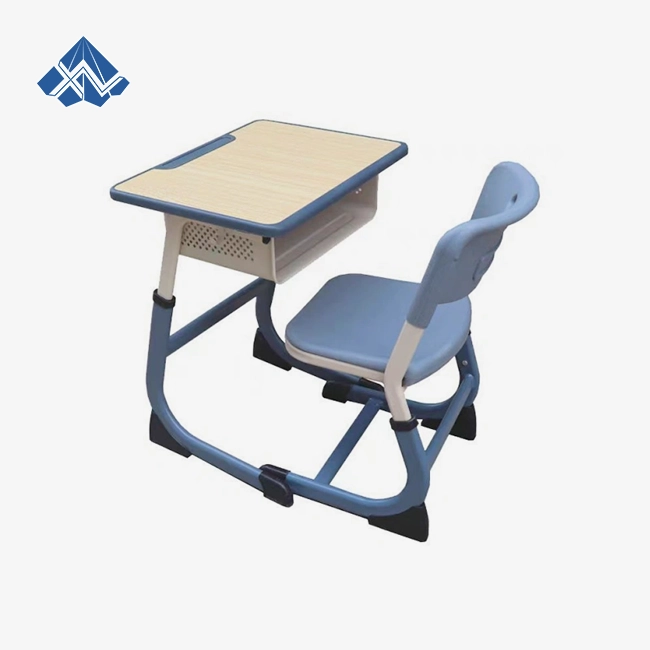 VIEW MOREClassroom Seating & Desks
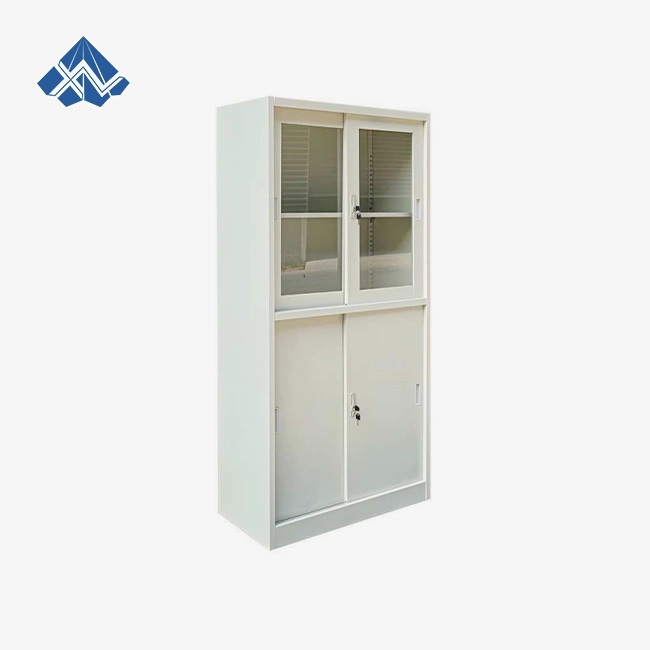 VIEW MORESliding Four-Door Steel and Glass Filing Cabinet
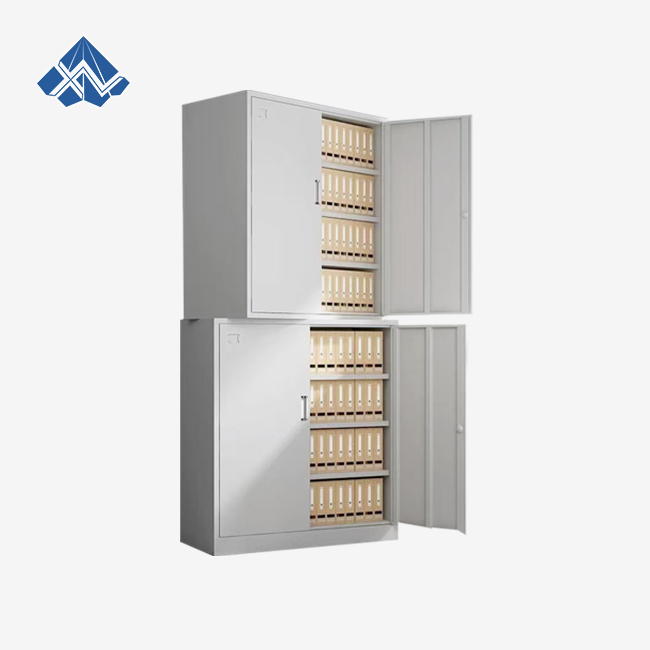 VIEW MOREDouble-Section Four-Door Office Cabinet
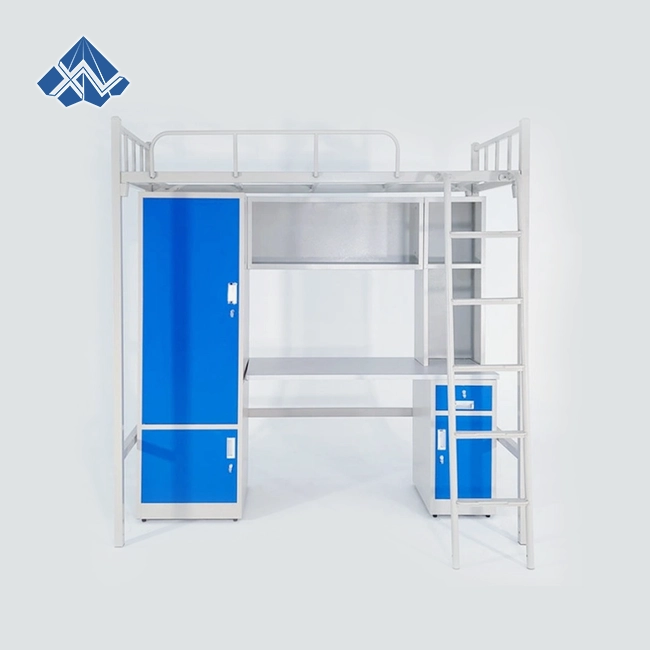 VIEW MOREStudent bunk bed with desk
 VIEW MOREIntelligent Dense Shelving Filing Cabinet
 VIEW MOREGlass Door Filing Cabinet
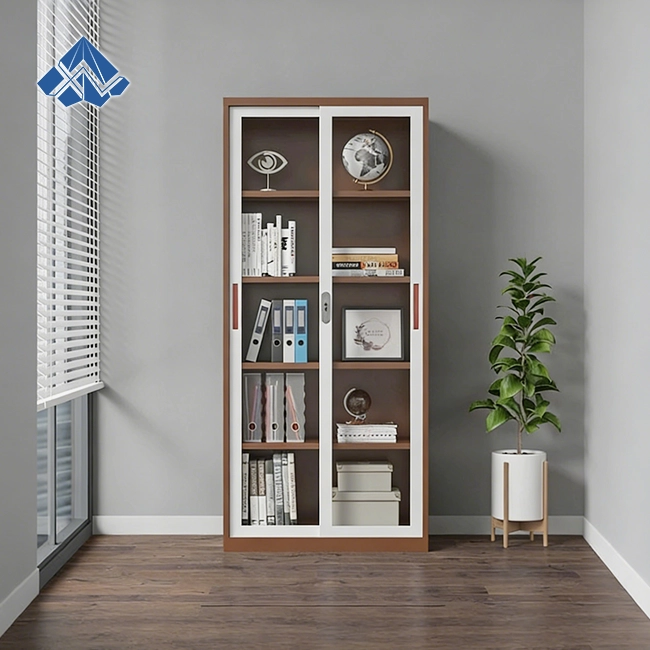 VIEW MORESliding Glass Door Filing Cabinet
 VIEW MORE2-Drawer Steel Mobile File Cabinet