



Is a hand-cranked mobile shelving system safe? Maintenance and usage guide
When set up and taken care of properly, hand-cranked mobile filing systems, like the Hand-Cranked Intensive Filing Cabinet, are very safe. Precision-engineered gear reduction systems in these mechanical storage solutions make it easy for workers to move heavy-duty shelf units that weigh several tons. With anti-tip devices, brake locks, and overload prevention features, these systems are made from cold-rolled carbon steel and meet international safety standards, such as ISO 9001 and GB/T 28001 Occupational Health and Safety certifications. The strong construction and fail-safe design keep users and items safe. This makes them perfect for high-traffic educational settings where dependability is very important.

Understanding Hand-Cranked Mobile Shelving Systems and Their Safety Features
Mobile filing systems are a big improvement over standard boxes that stay in one place. There is a simple technical theory behind how the Hand-Cranked Intensive Filing Cabinet works that makes the most of storage space while still keeping papers and materials safe.
How the Mechanical System Works
Precision cart rails that are built into or fixed on reinforced floors are what make it work. A roller chain drive system moves storage units that are 2400 mm tall, 580 mm wide, and 1000 mm deep along these tracks. When you turn the hand crank, a gear reduction ratio of 1:6 to 1:8 turns your small amount of effort into a lot of moving force. Because of this technical benefit, one person can move several fully loaded cabinets that weigh more than 2,000 kilograms with less than 12 newtons of force. With the floating aisle idea, there is no need for solid paths between each storage room. You set up entry paths exactly where they are needed and then collapse the system when you're done. This design makes it possible to store 50% to 80% more than with static shelving. It directly addresses the problem of limited space that hospitals, schools, government offices, and business records face.
Built-in Safety Mechanisms
All of the parts of a good mobile shelf system are designed to be safe. Anti-tilt features keep the units from tipping over while they're moving, even when they're fully loaded. Each column has stop locks that keep the cabinet in place while people in the aisle access files. Before the unit can move, these locks have to be physically disengaged. This keeps moves from happening by accident, which could put workers in danger. The overload safety in the roller chain drive keeps the transmission system from breaking if too much force is applied. When cabinets are pressed together, dust- and vermin-proof sealing strips make a hermetic barrier that keeps private papers safe from damage from the environment and from people who shouldn't have access to them.
Compliance with Safety Standards
Products that are made with the ISO 9001 Quality Management System certification go through strict testing procedures. The Occupational Health and Safety Management System Certification (GB/T 28001) makes sure that worker safety and product stability come first in the production process. Environmental Management System Certification (ISO 14001) proves that sustainable production methods have the least possible effect on the environment. The process of cold-press bending used to make carbon steel parts makes the structure strong without weakening the material through heat damage. When the electrostatic powder covering is baked at high temperatures, it forms a finish that is resistant to water and wear and will keep its protective qualities for decades. This nine-step coating process stops rust and rusting, which makes the product last longer and requires less upkeep.
Maintenance Best Practices to Ensure Safe Operation and Longevity
Regular maintenance protects the safety features and keeps your mobile storage purchase working well. Setting up a regular repair schedule keeps small problems from getting worse and leading to expensive failures.
Routine Inspection Checklist
Every three months, structural parts should be checked for signs of damage or stress. Use a level to make sure the vertical uprights are level; even a small tilt can mean that the base has settled or the rails are not lined up correctly. Check the welds and connection points for cracks or separation. Pay extra attention to places that are under a lot of stress near where the carriage is attached. The hand-crank system needs to have its gear teeth and chain tightness checked. Too much slack in the roller chain makes the action uneven and speeds up the wear on the sprockets. In the middle between the supports, the chain should have about 15 to 20 mm of vertical play. If the slack goes beyond this limit, tighten the movable tensioners. Every time you do a check, look at the anti-tilt brackets and brake lock parts. These safety parts must fully connect and then easily come loose without getting stuck. To test each brake separately, try to move the unit while the lock is on. There should be no movement. Use lithium-based grease to lubricate the pivot points to make sure they work smoothly.
Lubrication and Cleaning Intervals
The roller chain drive system works better when it is oiled once a year with heavy-duty lithium grease of good quality. Lubricant should be put on each roller while the chain is being slowly turned all the way through. Get rid of any extra grease that might attract dirt and dust. Track rails need to be cleaned every six months to get rid of dust, paper bits, and other things that make them harder to roll. First, use a vacuum with a crevice tool, then a clean, dry cloth. When you clean the rails, don't use oil-based cleaners because they leave a film that gathers more dirt. Powder-coated surfaces only need to be cleaned every once in a while with a light cleanser and a wet microfiber cloth. The high-temperature baking process makes a finish that is not porous and doesn't let germs grow. It can also stand up to chemical cleaners that are often used in medical buildings. This coating doesn't need any special treatments to keep its safe shield.
Recognizing When Professional Service Is Required
Some signs mean that you need help from a professional. Noises like grinding, screaming, or clicking that don't make sense during operation could mean that something is out of line or a part is wearing out. Having to work harder to turn the hand crank is a sign of transmission problems that could cause the whole thing to break down if not fixed. If you can see damage to any part of the structure, you need a professional to look at it right away. System safety and integrity are compromised by bent rails, broken uprights, or joints that come apart. Get in touch with licensed sellers who know how your mobile shelving system works and can help you find real replacement parts that fit the original specs. Working with makers that offer full after-sales help saves your warranty and makes sure that repairs meet safety standards. LY Unison gives technical advice throughout the entire ownership lifetime, which helps site managers get the most out of their equipment's performance and make it last longer by keeping it in good shape.

Safety Considerations in Usage and Environment
The quality of the hardware by itself does not ensure safe performance. Having the right setting and trained workers are both important for keeping the job safe.
Ideal Installation Settings
Hand-Cranked Intensive Filing Cabinet works best in rooms that are kept at a comfortable temperature. Stable temperature and humidity levels keep things from expanding or contracting in office buildings, medical records departments, university libraries, and government files. With a load-bearing ability of at least 600 to 1,200 kilograms per square meter, concrete floors can handle the heavy weight without sinking or bowing. If you don't have the right foundation reinforcement, don't put it in places where big machines or earthquakes could cause vibrations. Uneven floors make it harder to do work and wear out the cart system faster. When installed by a professional, the floor is checked and prepared to make sure that the train lines stay level and parallel along their entire length.
User Training and Operational Protocols
Basic safety rules must be known by everyone who uses mobile shelves. When you learn how to use a hand crank, you should focus on smooth, steady spinning instead of jerky moves that put stress on the transmission system. Before compacting units, users need to make sure that the closing path is clear of people and things. It is important to never go over the highest shelf load specification, which is usually 80 to 100 kilograms of evenly spread weight. When things are too heavy, they bend too much, which could damage both the shelves and the carriage system. Show people how to spread heavy items out over several tables instead of putting them all on one level. As part of emergency plans, you should include instructions on how to physically unlock the brake locks if they get stuck. People who use the hand crank should know not to push too hard if the resistance quickly rises, as this could mean that there is something in the way of the movement. Setting clear rules for reporting problems with operations lets problems be fixed quickly, before they become dangerous.
Environmental Factors and Common Hazards
Even if protection layers are on metal parts that are exposed to humidity levels above 60%, corrosion will happen faster. Extremely dry conditions, on the other hand, can make wooden parts or paper-based storage materials break easily. Keeping the relative humidity between 35% and 50% is best for keeping documents and tools in good shape. When moving parts meet fixed structures, you have a pinch point. These danger zones should have warning signs on them, and people who use them must keep their hands, clothes, and other body parts away from the spaces between the mobile units while they're working. When drawers are fully closed, there are no more pinch points because of the airtight seal that is made. Lighting in entry areas affects safety by making it easier for people to move around and find things. Install lights above the storage bays that light up the whole depth of the space. This will get rid of shadows that make it hard to see and raise the risk of tripping or falling.

Comparing Hand-Cranked Mobile Shelving to Other Storage Solutions
Learning about the differences between storage systems helps people who work in buying make smart choices that meet practical needs and stay within budget.
Hand-Cranked Versus Motorized Systems
Motorized mobile shelving is convenient because it can be moved with the push of a button, but it adds complexity that lowers dependability and raises costs. Electric drive systems need their own power lines, motor upkeep, and the replacement of electrical parts that wear out over time. Motorized units can't work when the power goes out unless they have expensive battery backup systems. These worries are taken away by the Hand-Cranked Intensive Filing Cabinet, which works only mechanically. Not having an electricity link means not using any energy and not being affected by power outages at all. Because gears and chains are so simple, they have fewer places where they can break and cost much less to maintain. It is common for mechanical system replacement parts to cost 40% to 60% less than computer drive parts. Another thing to think about is operational noise. Electric motors make a constant humming sound when they move, which could be annoying to people working nearby. The only sound that comes from manual systems is the quiet moving of wagons on tracks. This makes them better for places that need to be quiet, like medical facilities or law offices.
Durability and Lifespan Comparison
Static filing boxes made of thinner steel don't have the structural strength of mobile systems that are designed to be moved all the time. Quality mobile shelf is made from 1.2mm to 1.5mm cold-rolled carbon steel, which is stronger and less likely to bend when hit. Hand-cranked units usually last 20 to 30 years if they are well taken care of, while regular cabinets may need to be replaced every 10 to 15 years. The powder-coating process used on mobile shelves makes a finish that is four to five times stronger than regular paint. This makes it much more resistant to wear and tear. This durability is especially helpful in educational settings that get a lot of use and where equipment is handled all the time and sometimes hits things when they are put onto carts or other equipment.
Space Efficiency and Capacity Analysis
With traditional fixed cabinets, there has to be a clear aisle between each row, which takes up important floor space for no reason. About 250 square feet is enough space for a normal filing room with six standard closet rows. By switching to mobile shelving with three double-sided carriages, you can get back about 100 square feet, which is a 40% decrease in space use while keeping the same amount of store space. The capacity benefit is increased even more by using vertical space. The Hand-Cranked Intensive Filing Cabinet is 2,400 mm tall, so it can use space above that low-profile standing units lose. When horizontal and vertical optimization are used together, they increase capacity by 50% to 80%. This makes mobile systems more cost-effective, even though they require a bigger starting investment.

Procurement Guide: Selecting and Buying Safe Hand-Cranked Mobile Shelving Systems
Making strategic buying choices means weighing the short-term costs against the long-term benefits. This requires carefully checking the credentials of the suppliers and the details of the products being bought.
Key Supplier Qualifications
Give more weight to makers who have full quality approvals that show they follow international standards. ISO 9001 approval means that quality control is carried out in a planned way throughout the whole production process. Environmental Management System certification (ISO 14001) shows that a company uses responsible production practices to reduce trash and emissions. This is a key factor for buyers who care about the environment and want to meet ESG goals. The Occupational Health and Safety Management System license shows that safety in the workplace is always being thought about while products are being made. This approval means that the product has better safety features. Companies that care about protecting their workers apply that same mindset to designing safe products for end users. The amount of intellectual property a company owns shows how innovative they are. Utility model patents for unique features like foldable cabinet designs show that companies are continuing to put money into making new products. The title "Gangyicheng" stands for legal protection and brand compliance, letting you tell the difference between real goods and cheap copies.
Customization Capabilities and Bulk Ordering
With OEM and ODM services, mobile shelves can be customized to meet the needs of a particular business. Color matching with RAL and Pantone color card systems lets you fit in with the look of a current building or follow the rules for company branding. Shelving that can be adjusted in 25 mm steps can handle different document sizes and specialized storage accessories. When you buy in bulk, you get savings of scale that make the price per item much lower. Distributors and wholesalers gain from agreed price systems that make them more competitive. A normal shipping time of 25 days for large orders needs to be planned ahead of time, but it ensures that project contractors with tight installation deadlines always have enough inventory. The modular form makes it easy to add on to as storage needs change. Adding train units to a track system that is already there is a lot cheaper than buying a whole new system. This scalability protects the initial investment and gives the company the freedom to make changes as needed.
Total Cost of Ownership Considerations
Costs over a period include more than just the purchase price. Over the course of 20 years, hand-cranked systems usually cost 60% to 70% less to maintain than powered ones. Since there are no electrical parts, there are no repair calls for motor failures, control board replacements, or switch problems. Energy use is zero for manual devices, which saves money on operations over time and adds up every year. At business rates, a standard motorized mobile shelving installation that uses 500 watts of power each day costs about $150 to $200 a year in electricity. Savings on energy costs alone can make up for a big chunk of the starting price difference over twenty years. Total owning costs are affected by warranty coverage and help after the sale in a big way. Manufacturers that offer full technical support help site managers fix small problems without having to pay for expensive service calls. When you can get real new parts at fair prices, you can avoid forced obsolescence that happens when parts stop being available. LY Unison helps customers get the most out of their mobile shelving investments by giving them fitting advice, training on how to use the shelving, and ongoing technology support. We have been in the manufacturing business for more than 20 years, so we know the problems that plant managers face and can come up with answers that give them real value.
Conclusion
In conclusion, when ordered, set up, and taken care of correctly, hand-cranked mobile shelf systems are a safe, efficient, and cost-effective way to store documents. The Hand-Cranked Intensive Filing Cabinet is made of strong metal and has many safety features that keep both people using it and the things it stores safe. Meeting the requirements of international quality and safety standards guarantees dependable work in tough institutional settings. Strategic repair practices keep operations running smoothly and make tools last much longer than with traditional storage options. Mechanical systems are naturally simple, which cuts down on failure spots and ongoing costs while getting rid of the need for electricity infrastructure. Knowing the pros and cons of hand-cranked systems helps procurement workers make smart choices that make the best use of budgets and improve business efficiency.
FAQ
Is a hand-cranked system safer than a motorized system?
Hand-cranked mobile shelves are just as safe, but it has fewer places where they could go wrong. Electrical problems, failed control boards, or sensor mistakes can happen with powered units, but they can't make mechanical systems stop working. The manual action gives workers direct tactile input, which lets them feel problems or resistance right away. Both types of systems have brake locks and anti-tilt devices that work the same way and protect against accidental movement or tipping.
How often should I plan to have my mobile filing system serviced?
Professional inspections once a year and in-house checks every three months are enough to keep things in good shape for normal use. Professional service should be done every six months on setups that get a lot of use and are used several times a day. At least once a year, the roller chain drive should be oiled, and the stop lock devices should be checked. Track cleaning and eye review of structural parts can be done every three months by trained building staff without the need for outside help.
What should I do if the hand crank becomes difficult to turn?
More reluctance when cranking generally means that the track is blocked, there isn't enough oil, or there are problems with the chain tension. Stop what you're doing right away and look for trash or other things in the way of the journey path. Check the chain tightness and make changes if there is too much slack. Grease the roller chain and gear system with lithium grease. If the problem still exists after you've tried these steps, you should call your provider to get a professional opinion, since continuing to force the transmission to work may damage its parts and void the guarantee.
Partner with LY Unison for Your Mobile Shelving Needs
LY Unison is ready to provide reliable storage options that make the best use of the room and meet strict safety standards for your facility. As a Hand-Cranked Intensive Filing Cabinet maker with a lot of experience, we offer ISO-certified quality control, layouts that can be changed, and full OEM/ODM services that are suited to your needs. Our environmentally friendly production methods are in line with goals for sustainability, and our 25-day delivery time frame works for even the busiest project plans. Email our team at lysteelart@lysteelart.com to talk about bulk prices, technical details, and how our Hand-Cranked Intensive Filing Cabinet for sale can help you store your documents more effectively and affordably.
References
1. American National Standards Institute. (2019). ANSI MH29.1: Safety Requirements for Industrial Steel Storage Racks. Washington, DC: ANSI Publications.
2. European Committee for Standardization. (2018). EN 15713: Mobile Storage Systems – Safety Requirements. Brussels: CEN Central Secretariat.
3. Occupational Safety and Health Administration. (2020). OSHA Technical Manual, Section VII: Storage and Materials Handling. U.S. Department of Labor.
4. International Organization for Standardization. (2021). ISO 9001:2015 Quality Management Systems – Requirements and Guidance for Use. Geneva: ISO Standards.
5. National Fire Protection Association. (2020). NFPA 13: Standard for Installation of Sprinkler Systems. Quincy, MA: NFPA Publications.
6. Building Officials and Code Administrators International. (2019). BOCA National Building Code: Structural Loading Requirements for Movable Shelving Systems. Country Club Hills, IL: BOCA Publications.

CUSTOMER REVIEWS & GLOBAL PROJECT FEEDBACK
Trusted by Clients Worldwide for Quality Steel Furniture
YOU MAY LIKE
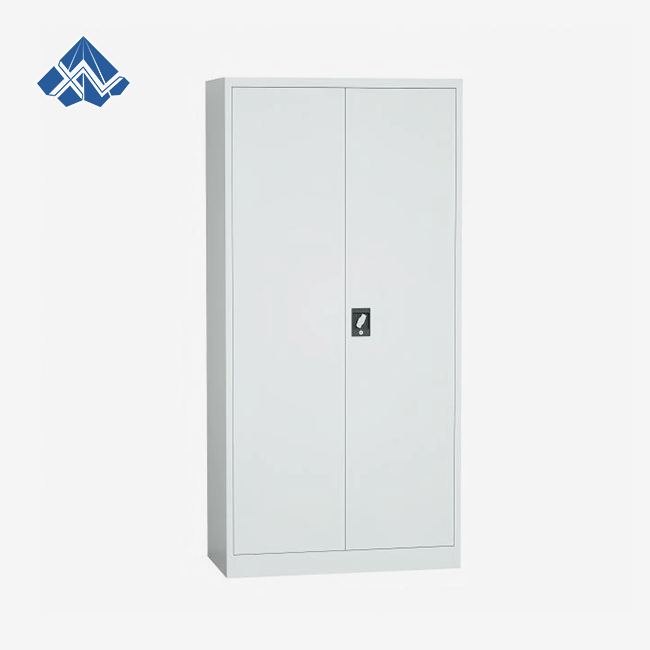 VIEW MORE2 Door Steel File Cabinet
 VIEW MOREFloor-standing Wardrobe
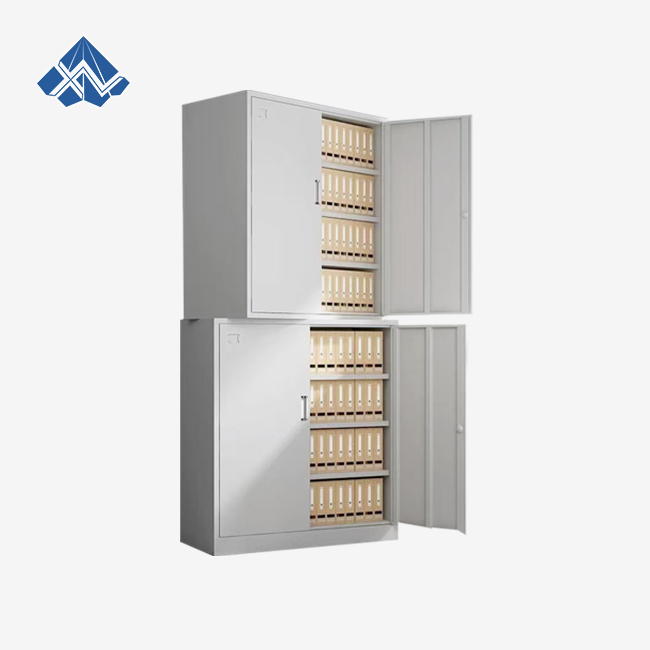 VIEW MOREDouble-Section Four-Door Office Cabinet
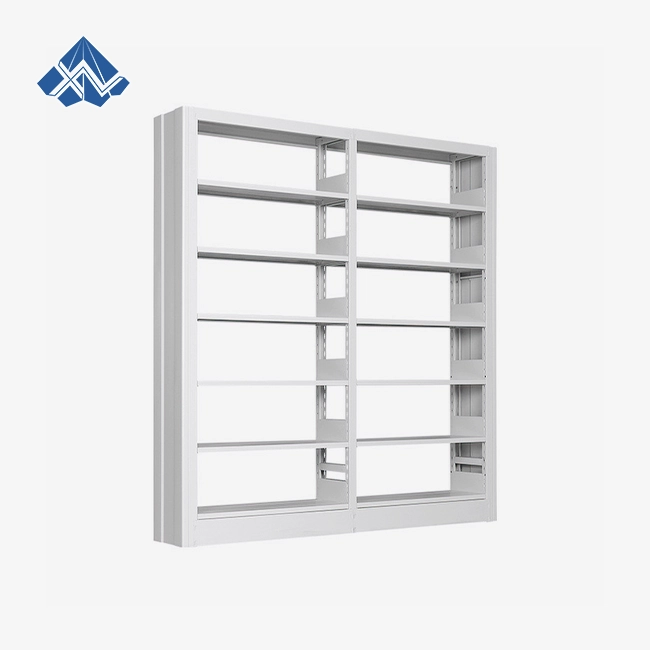 VIEW MORESingle-Side Steel Book Shelves
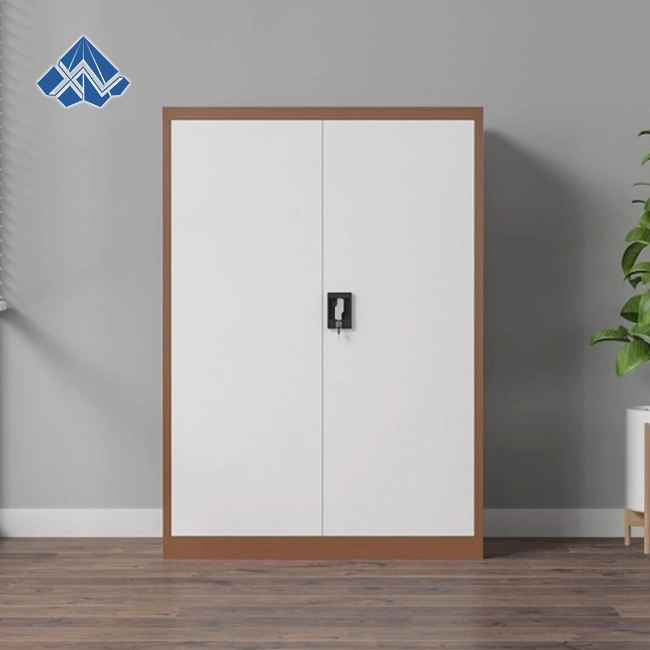 VIEW MORE2-Door Steel Filing Cabinet
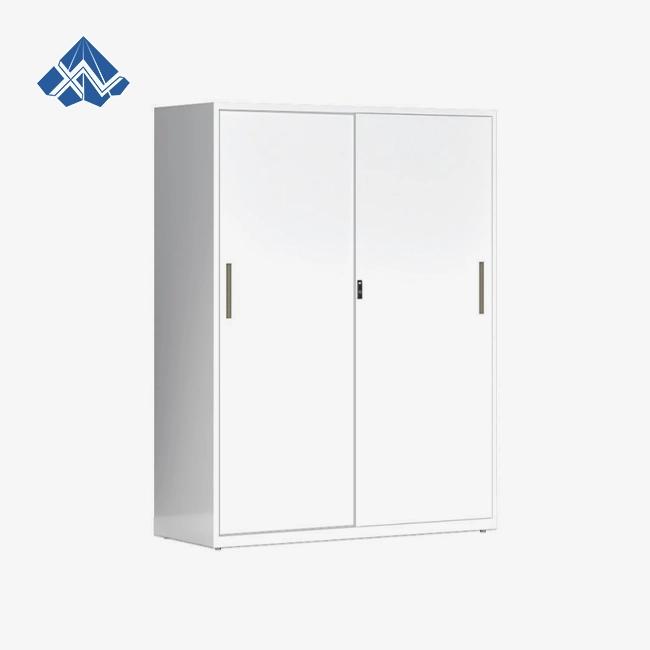 VIEW MORESliding Door Wardrobe
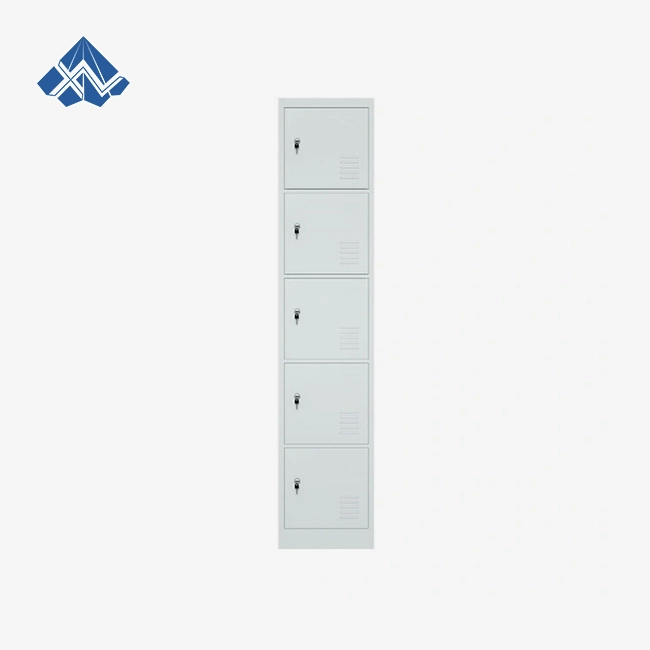 VIEW MORESingle Column 5-door Steel locker
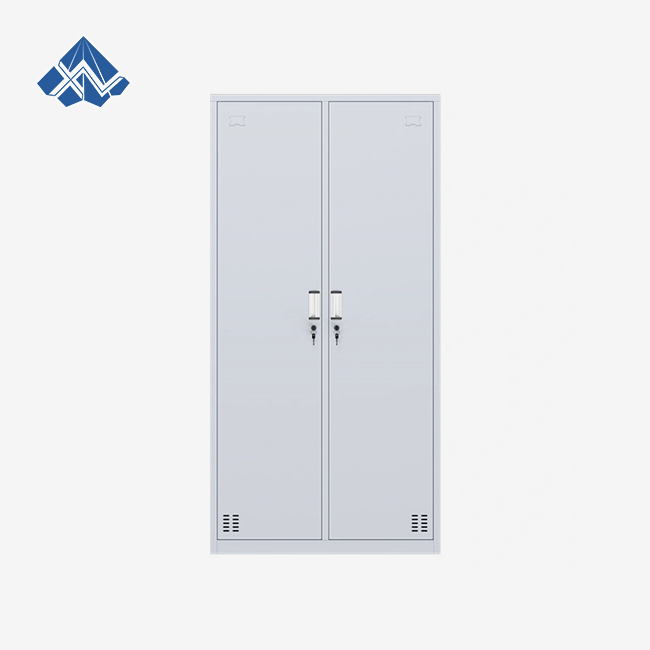 VIEW MOREDouble Swing Door Steel Wardrobe