



How does a smart mobile shelving system enable digital archive management?
Smart mobile shelving systems make it possible to handle digital archives by mixing mechanical storage with programmable control systems and database integration. An Intelligent Dense Shelving Filing Cabinet with motorized floor tracks turns real files into small, mobile pieces that can be controlled by voice, touch screen, or software. This integration gets rid of data silos by connecting actual storage areas with digital inventory systems. This lets you track the location of documents in real time by reading RFID and barcodes. Automated environmental controls keep the right amounts of humidity and temperature to keep documents from getting damaged. LED-guided recovery and access records improve security and compliance. These systems make record management a streamlined, digitally traceable process that meets current safety standards. Compared to traditional filing methods, they take 50–70% less floor space.
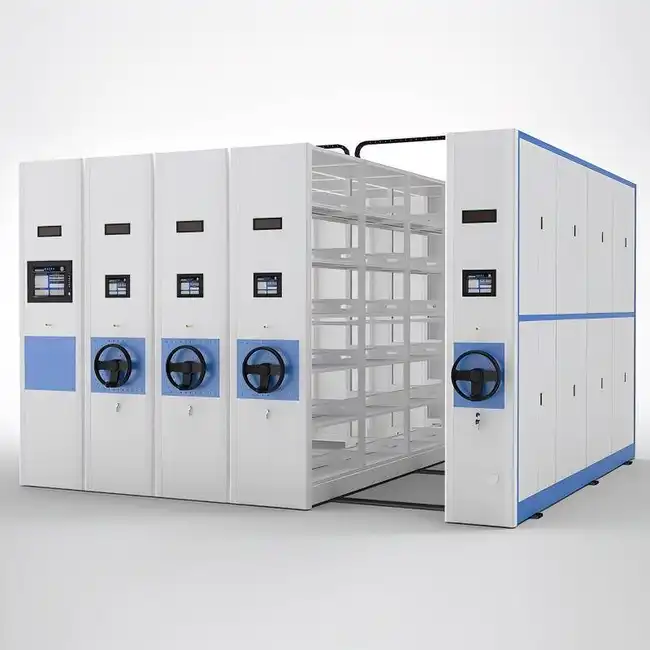
Understanding Smart Mobile Shelving Systems and Intelligent Dense Shelving Filing Cabinets
Mechanical Innovation Meets Digital Control
Traditional filing cabinets line the walls of offices, taking up valuable floor space and not storing a lot of things. This method is completely changed by Smart mobile shelving systems. With these systems, shelving units are mounted on carefully designed tracks that let whole rows move side to side. With this mobility, aisle room isn't wasted, and entry paths are only made when they're needed. The Intelligent Dense Shelving Filing Cabinet is the next step in this idea's development. The units have a cold-press bent carbon steel frame and measure 2400mm x 1000mm x 580mm. They can hold papers, materials, and books. High-temperature spray painting is used in the manufacturing process to make the materials resistant to both water and wear. These are important qualities for archival preservation over the long run. Instead of being static and alone, like regular cabinets do, these smart units talk to central control systems, turning physical storage into an asset that can be controlled digitally.
Key Components and Operational Framework
Three important parts are built into modern, clever shelving systems. The motorized drive system makes moving along tracks on the floor smooth and reliable. Precision bearings and tracks can hold a lot of weight and still keep the line straight. The motors, safety sensors, and human interface screens are all controlled by the electronic control system. Touch-screen screens let workers choose exactly where to put files, and the system opens the right lane for them. The brain layer is made up of the computer control system. This software keeps track of where items are kept, records events of entry, and works with other information management systems. When someone looks for a certain document in the digital library, the system figures out where it is and tells the mechanical parts to let them get to it. This smooth connection between the real world and the digital world gets rid of the stress of losing files and having to search for them by hand.
Safety and Security Features
Strong safety rules are needed for managing archives. Intelligent Dense Shelving Filing Cabinet units have automatic handbrakes that stop them from moving when they're not supposed to, cushioning devices that soften the blow when the doors are closed, and side locks that keep the units in place when they're not in use. Infrared sensors check the aisles before they close, and if someone is still in the middle of a row of shelves, the doors immediately stop moving. This recognition of human presence gives staff members who are using the system peace of mind. Information defense is part of security, not just physical safety. Unauthorized people can't get in because access control systems record every contact with a time stamp and the user's IDs. This audit trail is very helpful for keeping records of compliance, especially for big buyers in government, healthcare, and education, where strict responsibility is required by data protection laws.
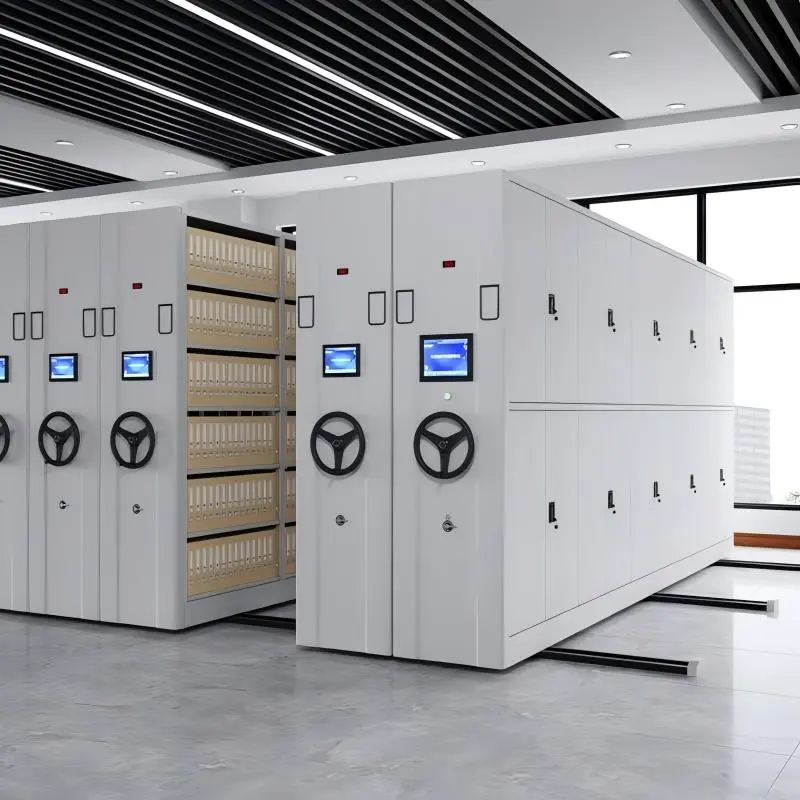
Why Smart Mobile Shelving is a Game-Changer for Digital Archive Management
Addressing Space Inefficiency
In traditional filing systems, the permanent hallways that lead to static cabinets take up about 40 to 50 percent of the floor space. This waste is eliminated by Smart mobile shelving systems, which combine multiple entry paths into a single movable hallway. Companies can store 50–70% more stuff in the same amount of room, or they can store the same amount of stuff in a lot less area. This optimization of the room has direct cash benefits. When the amount of space needed is cut down, real estate costs go down, climate control costs go down, and valuable office space is freed up for activities that make money. Bulk procurement sellers who handle a lot of source paperwork can combine several storage rooms into one useful archive center. Project contractors can store records from multiple job sites in one place without having to pay for building growth.
Accelerating Retrieval and Reducing Labor Costs
With a manual filing system, employees have to walk between cabinets, read signs by sight, and physically get papers. People make mistakes, and this process wastes time that could be used for other things. The Intelligent Dense Shelving Filing Cabinet with built-in LED lights leads workers directly to target areas. The system shines a light on the exact location of the shelf, so there is no need to look around and try to retrieve something that isn't there. Integration with tools for managing digital archives makes things even easier. Users search document libraries from their computers, and the system tells them in real time what documents are available. With automated placement, employees don't have to spend as much time physically getting files, so they can be used on more important tasks. After installing smart shelf systems, organizations say that the number of hours spent managing archives has dropped by 30 to 40 percent.
Ensuring Compliance and Data Protection
In both the American and European markets, strict rules apply to things like keeping records, controlling who can see them, and protecting the environment. HIPAA rules say that healthcare facilities must keep patient records. Federal Records Management rules are followed by government departments. According to FERPA rules, schools must keep student information safe. Smart mobile shelving systems help with compliance by automatically controlling and monitoring the surroundings. Temperature and humidity monitors that are tied to HVAC systems keep the best conditions for preserving food. Access logging makes a full audit trails that record every time someone changes a file. These features are very important during regulatory audits and court discovery processes because they show that the documents were handled properly. When institutions buy things, the manufacturing qualifications of quality processes are very important. Occupational Health and Safety Management System Certification (GB/T 28001), ISO 9001 Quality Management System Certification, and ISO 14001 Environmental Management System Certification are all signs that a manufacturing company is committed to high-quality standards. These certifications give purchasing managers faith that sellers keep strict controls on production.
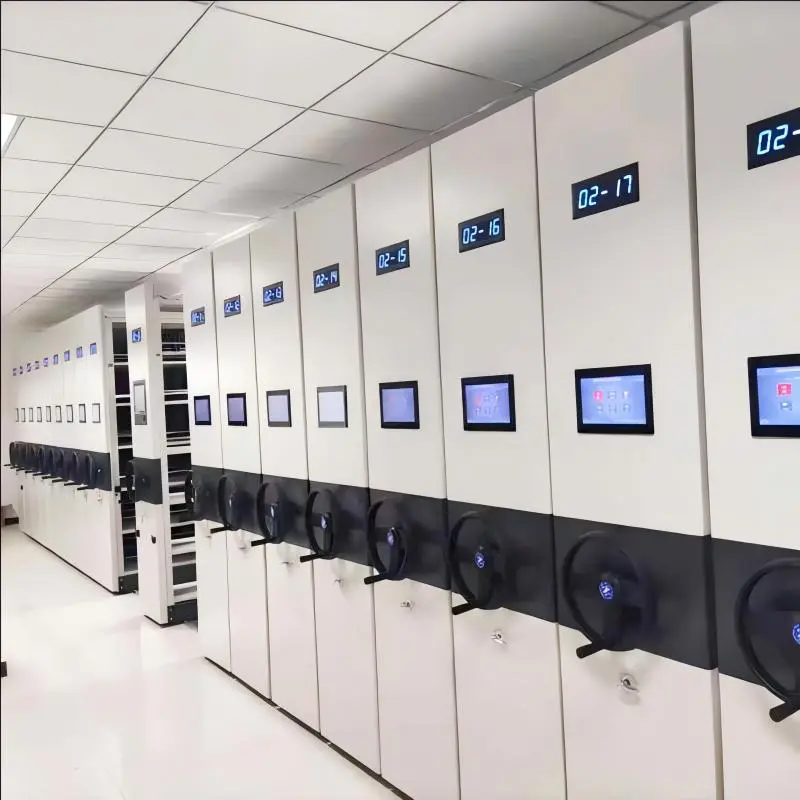
How to Optimize Digital Archive Management Using Intelligent Dense Shelving
Strategic File Organization and System Configuration
Careful planning for order is the first step to managing archives well. The Intelligent Dense Shelving Filing Cabinet supports flexible compartmentalization, which lets you make setups that are specific to your business's filing categories. Legal companies might set things up by case number and range of dates. Medical facilities could organize stores by area and type of patient. Schools often sort things into groups based on the school year and the students in those groups. Different types of documents can fit on shelves that can be adjusted in position. Letter and legal-sized files, engineering sketches that are too big for the page, bound books, and boxed materials all need different amounts of space between them. The cold-press bending of the carbon steel gives the structure the strength to handle different types of loads without bowing or deforming. Visual organization systems are possible with color customization based on RAL and Pantone color cards. You can give different offices or types of documents their own colors, which makes it easier to find things quickly. This customization isn't just for looks; it's also a useful tool that makes recovery processes easier on the brain.
Maintenance Protocols for Long-Term Reliability
Preventive repair keeps systems running smoothly and increases their lives. Track alignment, wheel bearing greasing, and drive belt tightness need to be checked on a regular basis for mechanical parts. Visual checks done once a month find problems as they start to happen before they become working failures. Professional servicing once a year by trained experts keeps the manufacturer's guarantee valid and fixes wear patterns. Regular software changes that fix security holes, make user interfaces work better, and add more connectivity options are good for electronic systems. Updates to the firmware on motor drivers and sensor arrays make sure that the tuning is perfect. Database systems have backup methods that keep data safe in case hardware fails. Physical cleaning procedures protect the security of documents. Building up dust can shorten the life of paper and make electrical parts less reliable. Cleaning the archives every three months with the right tools stops dust and dirt from building up without adding water that could damage the documents. The high-temperature baked finish on steel parts keeps them from rusting and makes cleaning easier.
Integration with Digital Indexing Tools
To get the most out of a system, physical storage and digital tracking need to work together without any problems. Standard methods allow modern intelligent shelving to connect to several information management systems. Document management software gives real files unique names and connects digital records with exact storage locations. Barcode and RFID technologies connect the real world to the digital world. Documents with scannable identifiers instantly change where they are stored in the database while they are being filed. Requests for retrieval make pick lists that help staff do bulk document pulls. This combination gets rid of the need to maintain and reconcile logbooks by hand, which is a problem with standard filing systems. Cloud-based archive management systems make archives available outside of buildings. Users who are allowed can search document catalogs from afar, ask for actual retrieval, and get digital scans through safe sites. This feature is especially helpful for project workers who have to coordinate paperwork across multiple job sites or for shippers who have to keep track of records for operations that are spread out across the country.
Choosing the Right Smart Mobile Shelving System for Your Business
Manual Versus Electric Operation Modes
People who are trying to save money often compare manual methods to electric ones. To move shelves along tracks, people who work with manual mobile shelving turn motorized handles. This choice saves room and costs less at first, making it a good choice for smaller files that only need to be accessed occasionally. Because it takes a lot of physical work, it can't really be used for large-scale daily recovery tasks or for businesses with older workers. Motorized drives in electric Intelligent Dense Shelving Filing Cabinet units get rid of the need to do things by hand. Movement is started by touch-screen buttons or remote controls, which require very little physical effort. When staff have to get papers out of archives dozens of times a day, this technology becomes necessary. Higher up-front costs are justified by higher output and less physical strain, which improves operating efficiency and worker safety. Hybrid methods provide answers in the middle ground. Electric-assist manual operation uses powered movement to get the machine in the right place and then lets you make small adjustments by hand. This setup works well for businesses with a medium turnover that want to find a balance between cost and ease of use.
Evaluating Space Requirements and Capacity
A correct assessment of the place is the basis for a good implementation. Procurement managers should make a list of the current amount of archives, estimate how fast they will grow, and guess how much space they will need in the future. When systems are too small, they need expensive upgrades or have to overflow to less-efficient ways of storing data. Oversizing loses money and room in the building. Professional space planning services look at how files are organized, how big documents are, and how often they are accessed. Based on these evaluations, suggestions are made for the best row arrangements, hallway widths, and shelf heights. The normal height of 2400 mm works with most business spaces that have low ceilings and makes the best use of vertical storage. Work out the load ability to make sure the structure is strong enough. The weight of documents changes a lot. Standard file boxes have less floor loading than dense bound books. Correct engineering takes into account the highest loads that are expected, along with safety factors. This keeps structures from collapsing and makes sure that they follow building codes.
Compliance with Safety and Industry Standards
Specifications for buying things should require appropriate certificates and proof of compliance. Utility Model Patents for new features like foldable cabinet designs (ZL 2013 2 0243987.45) show that manufacturers are investing in product development and protecting their intellectual property. A registered name like "Gangyicheng" shows that a company is committed to its brand and follows the law. Quality management certifications make sure that the production method is always the same. For ISO 9001 certification, processes must be written down, checks must be done regularly, and efforts must be made to keep improving. Environmental management approval (ISO 14001) confirms sustainable production practices, which are very important for buyers who care about the environment and want to meet ESG goals. Occupational health and safety approval (GB/T 28001) shows that a company cares about the well-being of its workers throughout the whole production process. The paperwork for testing a product should include grades for fire protection, load capacity, and seismic stability, if needed. Independent proof from third-party testing labs adds to what the maker specifies. These qualifications are especially important for big buyers who have to follow rules about buying things that require proof of compliance.
Selecting Trusted Manufacturers and Suppliers
To find trusted providers, you need to do more than just compare prices. Established makers with more than 20 years of experience in the field can help with difficult tasks by using their useful knowledge. Longevity like this shows that the market accepts it, the team is skilled, and the company is stable financially. These are all signs of a successful project completion and ongoing support available. Wide types of products show that a company can make them and understand the market. One-stop shopping is made easier by suppliers who offer full steel furniture solutions—lockers, filing cabinets, compact shelves, dormitory beds, and unique goods. This range makes managing vendors easier and makes sure that quality standards are the same across all product groups.OEM and ODM services allow for tailoring that sets brand owners apart and meets the specific needs of each project. Manufacturers that allow customized specs, color schemes, and the creation of branded products offer more freedom than providers that only offer products from a list. For project contractors with tight building plans, delivery times are very important. Manufacturers who promise arrival in 25 days show that they can produce enough and that their supply chain works well.
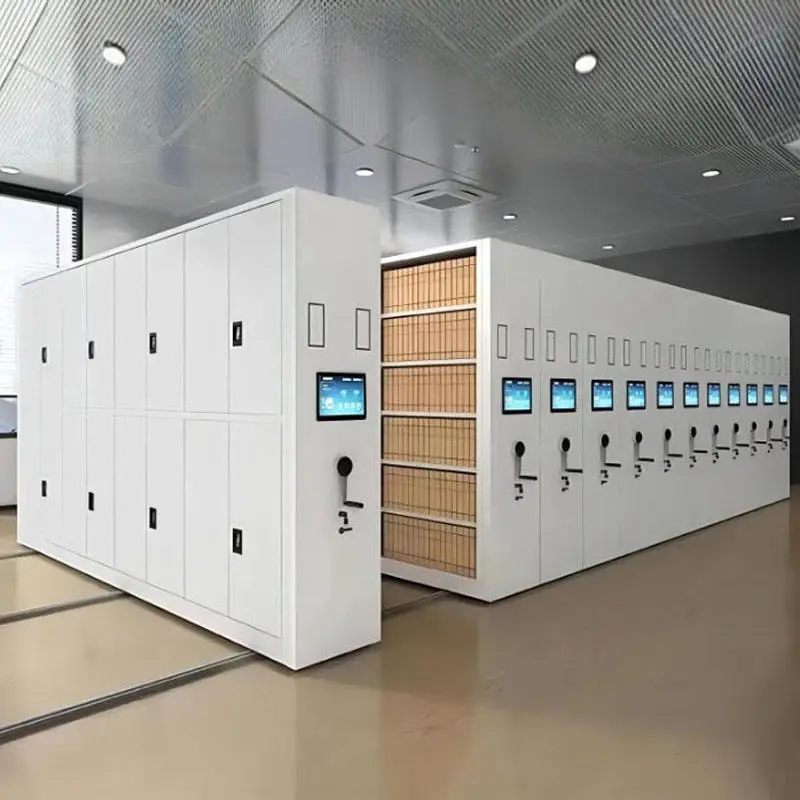
Future Trends and Innovations in Intelligent Dense Shelving and Digital Archive Management
IoT Integration and Predictive Maintenance
With the help of the Internet of Things, static storage systems can be turned into connected assets that constantly share their operating state. Sensors built into the device keep an eye on sound patterns, changes in temperature, and how often it is used. Predictive repair systems use this real-time data to find problems before they break down. Instead of using random calendar dates, predictive maintenance scheduling figures out the best time for service intervals by looking at how things actually wear down. By finding problems early and avoiding needless preventive service, organizations can cut down on unwanted downtime and increase the lifespan of parts. Maintenance teams get automatic alerts that tell them what needs to be done, which makes it easier to get the resources and parts they need. Manufacturer support workers can fix problems without having to go to the site to do so with remote testing. Secure network links let you watch, change parameters, and update software in real time. This remote access cuts down on service reaction times and trip costs while also making it easier to solve problems.
Artificial Intelligence and Autonomous Operations
Artificial intelligence programs look at how archives are accessed to find the best ways to set up systems. Machine learning finds the groups of documents that are accessed most often and offers ways to reorganize them that will cut down on average retrieval times. Over time, the system learns how organizations work and changes to keep making things more efficient. Self-driving mobile robots are a new technology that could be used in big archive sites. These units move around on their own to get files that are needed, take them to places where they can be picked up, and return papers when they are done using them. This technology gets rid of the need for people to do regular search tasks. This frees up staff to work on more valuable tasks, such as digitization projects and improving metadata. Voice-activated tools that use natural language processing make it easier for users to connect with the system. Operators give spoken instructions that describe document recovery requests, and AI helpers understand the needs, find materials, and set up physical access. This hands-free action makes it easier for people with physical limitations to use and speeds up the retrieval process.
Sustainable Manufacturing and Circular Economy Principles
Concern for the environment leads to new materials and methods. Carbon steel construction that can be recycled supports the ideas of a circular economy because old units can be taken back and used to make new goods. Powder coating finishes get rid of the flammable organic chemicals that are found in traditional paint systems. This makes the air quality in the workplace better and lowers pollution in the environment. Energy-efficient motor designs use less electricity while they're running. LED lighting systems give off better light while using very little electricity. These gains in speed bring down running costs and help companies keep their sustainability promises, which is good for ESG-focused procurement policies. Companies that use green production methods have an edge in places where people care about the environment. Certifications showing lower emissions, recycling programs, and environmentally friendly buying are some of the ways that sellers who want to be good environmental stewards over the long term can be told apart from those who just want to meet basic requirements.
Preparing Organizations for Technology Adoption
For implementation to go well, it takes more than just setting up the equipment; the quality of the result depends on how ready the company is. Employee training programs teach workers how the system works, how to stay safe, and how to fix problems. Full training cuts down on user mistakes, makes better use of systems, and boosts trust in the workforce. Strategies for managing change deal with how people don't like new tools. It's easier to switch from known manual systems to automated ones when there is clear information about the benefits, hands-on practice times, and ways to give feedback. Including stakeholders in the planning stages increases support and finds problems before they happen. Scalability planning makes sure that systems can grow as the needs of the company do. Modular designs let you add small amounts of space without having to rebuild the whole thing. Technology roadmaps make sure that investments in archive management are in line with larger digital transformation plans. This creates benefits that make all business systems more valuable.
Conclusion
By combining physical storage with smart digital controls, Smart mobile shelving systems completely change how digital archives are managed. These Intelligent Dense Shelving Filing Cabinet units help with managing costs, making better use of the room, and making sure that security rules are followed. Adopting these advanced storage solutions gives businesses that serve a wide range of markets, from large procurement sellers to institutional buyers, a competitive edge. When you combine mechanical accuracy, electronic automation, and software intelligence, you get archive environments that meet today's strict needs and set organizations up for tomorrow's innovations. Picking good manufacturers with tested certifications, the ability to make changes, and a history of on-time delivery guarantees a successful execution that brings long-term value and practical excellence.
FAQ
Can our current digital archive tools work with smart thick shelving?
Standard communication methods make it easy for modern, clever shelving systems to work with most database management platforms. Through API links, real-time data synchronization is possible, which lets your digital catalog talk to the actual storage system directly. During the evaluation phase of the procurement process, ask for paperwork that shows how well the product works with your unique software platform. Manufacturers who have experience with business-to-business solutions usually offer technical specs and integration support services that make deployment go smoothly without stopping current processes or needing to update all software. With the right configuration, the Intelligent Dense Shelving Filing Cabinet becomes a fully integrated part of your digital infrastructure.
What maintenance protocols ensure system longevity and safety?
Scheduled checks, software changes, and mechanical care are all parts of comprehensive maintenance. The orientation of the track and the soundness of its parts are checked visually every month. Professional service every three months takes care of lubrication needs and calibration changes. Certified techs do full checks once a year to make sure the warranty is followed and to find wear patterns that need to be fixed. When you update software, it fixes security holes and adds new features. Written-down maintenance logs help with following the rules and give helpful information about past operations for fixing problems. Manufacturers who offer maintenance contracts make ongoing care easier and make sure that only trained techs who know how to work with certain system setups do the work that needs to be done. This extends the life of the equipment and keeps users safe.
Partner with LY Unison for Superior Intelligent Dense Shelving Filing Cabinet Solutions
Updating your archive management system is a smart investment that will pay off in the form of higher productivity, better security, and better use of space. We at LY Unison have been making high-quality Intelligent Dense Shelving Filing Cabinet units for more than 20 years. We are the best company to get intelligent storage solutions from because our quality control systems are ISO-certified, we have a wide range of products, and we are committed to using sustainable production methods. We know that bulk procurement wholesalers need to be able to count on constant quality standards and delivery times. Our 25-day production time frame and trusted global shipping partners keep your projects on track. Our combined design and production skills help project workers make custom configurations that meet the needs of each site. Buyers from institutions trust us because we are qualified to follow quality, environmental, and safety management systems. Email our expert team at lysteelart@lysteelart.com to talk about the problems you're having with managing your archives. We give professional advice at every step of the buying process, from figuring out the system's size and design to helping with installation and ongoing upkeep. Our OEM and ODM services can meet your specific needs and include custom colors that match your building's standards and branded solutions that help your company stand out. Find out how our patented ideas and advanced production skills help us make storage solutions that are built to last and work perfectly.
References
Anderson, M. & Thompson, R. (2022). High-Density Storage Systems: Engineering and Applications for Modern Archive Management. Professional Publishing House.
Chen, L. (2023). "Digital Integration in Physical Archive Systems: Bridging Traditional Storage with Modern Technology." Journal of Information Management, 45(3), 234-251.
Foster, J. & Martinez, K. (2021). Space Optimization Strategies for Commercial and Institutional Facilities. Academic Press.
Harrison, D. (2023). "Automated Retrieval Systems: Measuring ROI in Archive Management Technology." Business Efficiency Quarterly, 28(2), 112-128.
National Archives Administration. (2022). Guidelines for Records Storage Equipment and Environmental Controls. Government Publishing Office.
Williams, S. & Zhang, Y. (2023). Sustainable Manufacturing Practices in Steel Furniture Production: Environmental and Economic Perspectives. Industrial Technology Press.

CUSTOMER REVIEWS & GLOBAL PROJECT FEEDBACK
Trusted by Clients Worldwide for Quality Steel Furniture
YOU MAY LIKE
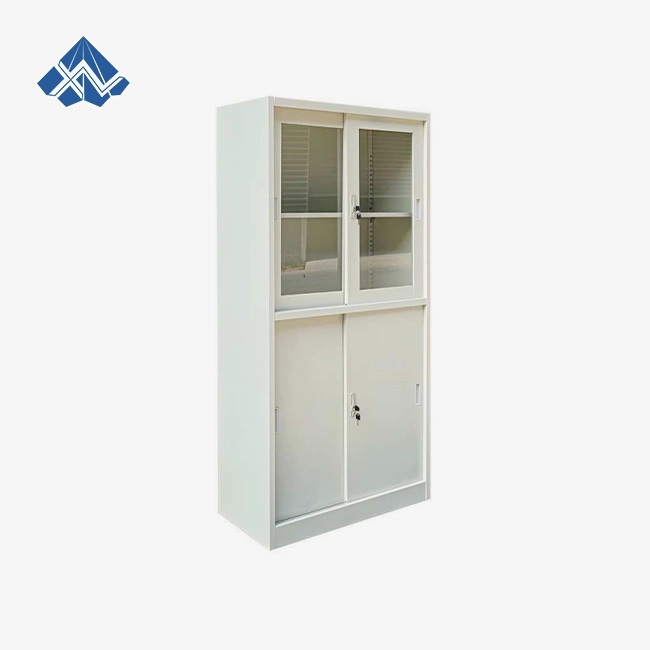 VIEW MORESliding Four-Door Steel and Glass Filing Cabinet
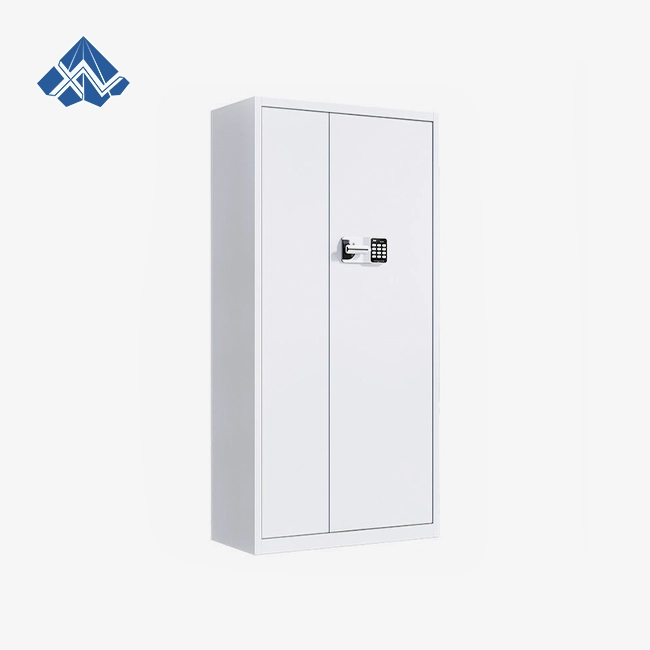 VIEW MOREWhite Metal Combination Storage Cabinet
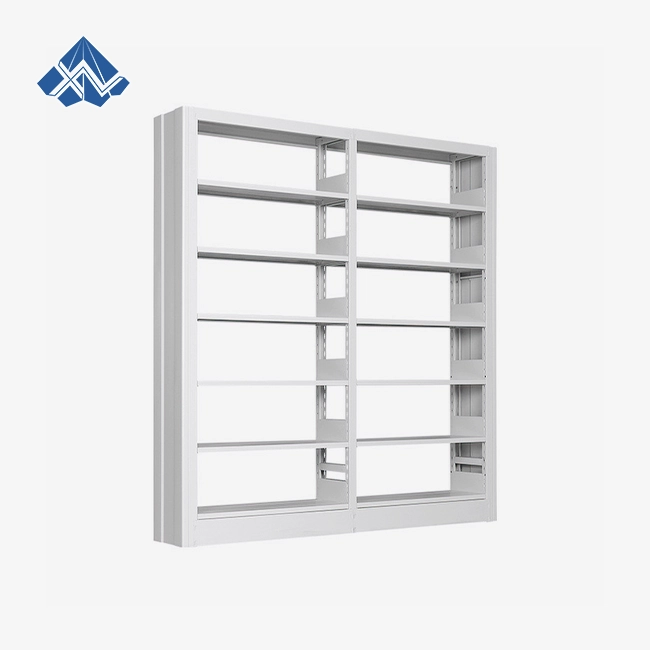 VIEW MORESingle-Side Steel Book Shelves
 VIEW MORETallboy Bookcase
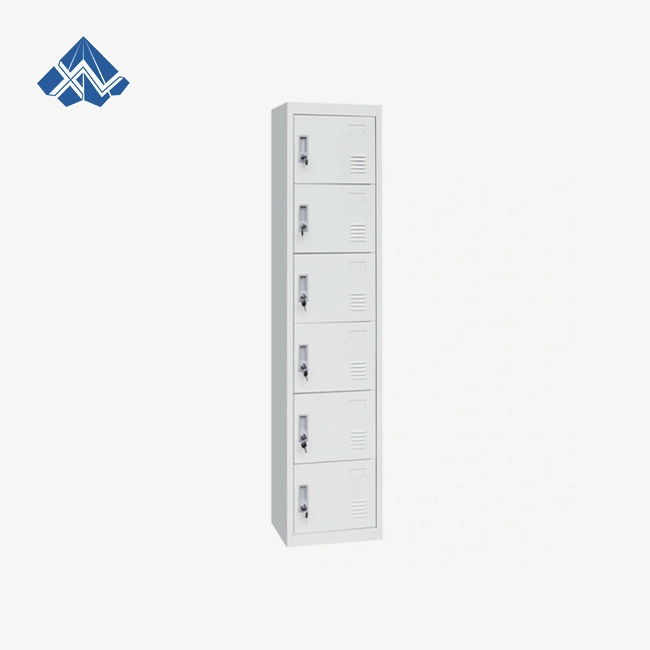 VIEW MORESingle Column 6-door Steel locker
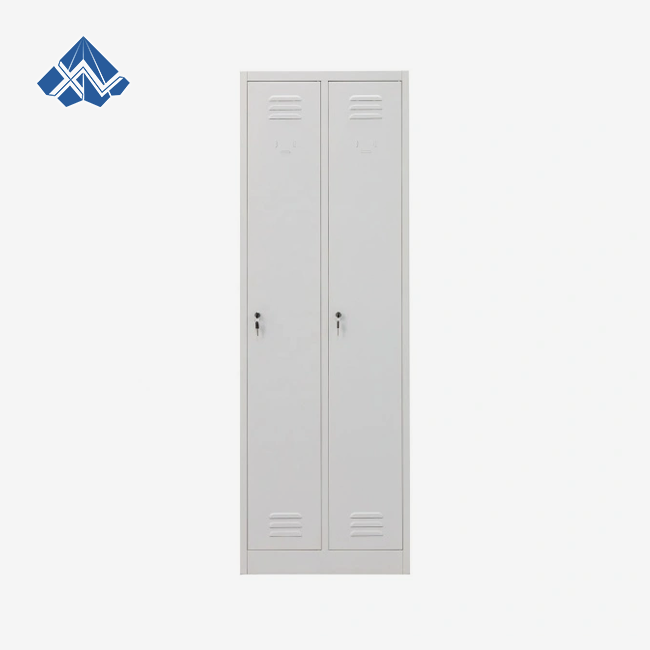 VIEW MORE2 Door Steel Wardrobe
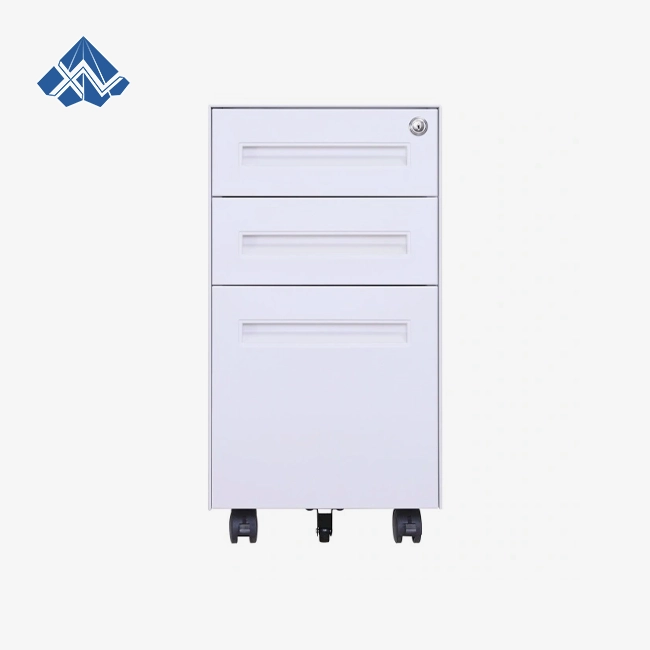 VIEW MOREThree drawer filing cabinet with casters
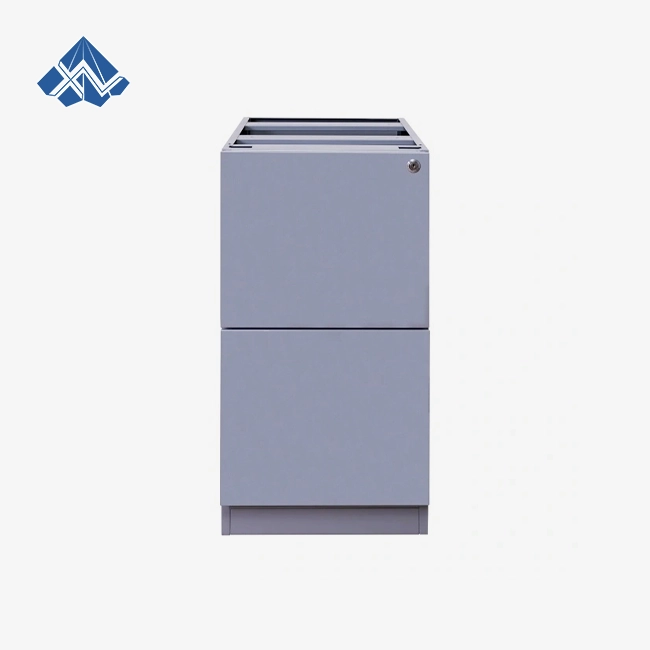 VIEW MORE2 Drawers Fixed Pedestal Storage File Cabinet