



Loft bed with shelves vs regular desk setup?
Many procurement pros ask: "Loft bed with shelves vs. regular desk setup—which is better value?" when they're looking at workspace options for small spaces. The answer is becoming more and more likely to be bunk beds with cabinets and desk. These units combine sleeping areas, storage spaces, and useful work stations into a single vertical structure. This makes the best use of space in dorms, flats, and institutions. Traditional desk setups take up extra floor space next to regular beds. Multi-functional loft layouts, on the other hand, lower the footprint by about 40% while still letting you sleep, store things, and study. This consolidation works especially well for projects that buy a lot of things, because making the best use of the room has a direct effect on running costs and user happiness.
Understanding Loft Beds with Shelves and Regular Desk Setups
The furniture options for places with a lot of people have changed a lot in the last ten years. Now, procurement managers can choose between traditional furniture pieces that stand alone and vertical options that work together.
Defining Loft Beds with Integrated Storage
Loft-style beds raise the mattress platform above the floor, making room below it that can be used. When makers add shelves, cabinets, and work areas under the elevated bed, they turn simple pieces of furniture for sleeping into complete living solutions. The bed area is usually 1200mm to 1600mm above the floor, and the buildings are usually between 1800mm and 2100mm tall. This area can be set up in several different ways, including open desks, closed cabinets, drawer systems, or plans that combine different types of furniture to meet multiple organizing needs at the same time.
Traditional Desk Setup Characteristics
Regular desk layouts have separate work areas that are usually between 1200mm and 1500mm wide and 600mm to 750mm deep. These units don't come with any sleeping furniture, so they need their own space on the floor. In most cases, these desks come with their own beds, wardrobes, and storage units. This modular method gives you more freedom in how you set it up, but it takes a lot more space to get the same functional capacity as vertical options that are built in. This space limitation is especially noticeable in institutional settings with many people.
Key Application Scenarios Across Sectors
If you're looking for space-saving furniture, schools are the biggest market segment. Dormitories, private schools, and training centers for college students are always looking for ways to arrange their rooms so that they can fit as many people as possible without losing comfort. Space economy is also important in corporate housing for temporary workers, hotel extended-stay buildings, and military bases. As the number of people living in cities grows and the amount of cheap space decreases, more and more micro-apartments, studio conversions, and shared housing arrangements use vertical furniture arrangements.
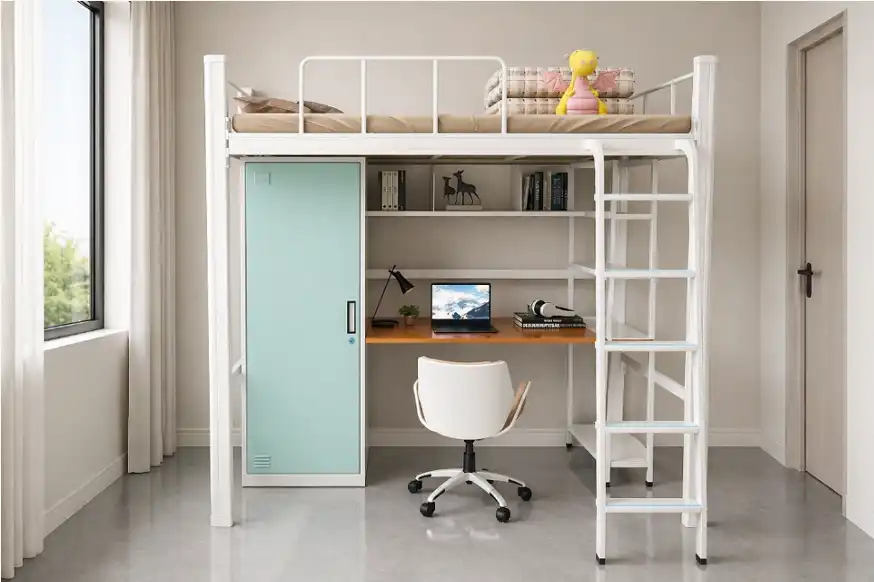
Comparing Loft Beds with Shelves vs Regular Desk Setup from a B2B Procurement Perspective
Buying decisions involve more than just the original buy price. A full review must look at the economics of space, the durability of materials, the comfort of users, and the overall costs over their whole life.
Space Utilization and Footprint Analysis
It takes up about 3.54 square meters of floor space for a typical bedroom set-up with a separate bed (2000mm x 1000mm), desk (1200mm x 600mm), and closet (900mm x 600mm). On the other hand, bunk beds with cabinets and desk that are 2000mm x 2000mm take up only 4 square meters but can fit two sleeping positions and the same amount of storage and work space. This means that each person's size is 50% smaller, which is a huge benefit when it comes to setting up dorms or other shared housing, where every square meter has costs related to building and running the space. When it comes to renovation jobs, the vertical integration approach works really well. Since existing buildings with set room sizes can't grow horizontally, the only way to get more space is to optimize vertically. When purchasing managers look at furniture for these kinds of small spaces, they find that combined loft systems let them add more space without changing or adding to the structure.
Material Quality and Durability Considerations
Building materials have a direct effect on both the original cost and how often they need to be replaced. We use cold pressing and twisting to shape the carbon steel that goes into our combined sleeping and workbenches. The 0.8 mm steel thickness is 33% thicker than the usual 0.6 mm thickness in the industry. This means that it can hold more weight and won't bend as easily when it's used regularly. Another important quality factor is the surface cleaning. Our high-temperature baked spray coating makes a finish that is resistant to water and wear that can stand up to the tough conditions that are common in hospital settings. This covering method is much better than powder-coated or painted wood finishes at keeping things from rusting, scratching, and staining. Laboratory tests show that properly treated steel furniture keeps its structural stability and good looks for 15 years or more in high-traffic areas, while wood composite options only last 7 to 10 years. Traditional wooden desk and bed sets may seem appealing at first in a home setting, but they are hard to buy in bulk for institutions. When the temperature changes, wood expands and shrinks. Over time, joints become less tight, and surfaces show wear patterns more clearly. Maintenance costs add up over time because units need to be refinished, joints need to be tightened, and eventually they need to be replaced. A steel building gets rid of these ongoing costs and can handle heavier loads and rougher treatment that is common in shared spaces.
Ergonomic Functionality and User Experience
No matter how the workspace is set up, ergonomics are still very important. Integrated desk areas under raised beds must have enough space for your knees, good lighting, and a large enough work surface. As per our technical specs, desks must be between 720 mm and 760 mm from the floor. This is in line with ergonomic standards for working while sitting down. Desktop depths of 600 mm make it easy to fit computers, monitors, and school supplies. Some people who don't like loft setups worry about the psychological comfort of the people who work under a raised sleeping platform. Field studies from university living sites show that having the right ceiling height above the desk area (at least 1100 mm of space) gets rid of any feeling of being squished. Students and workers can quickly adjust when the work area is properly lit, and air flow is maintained through ventilation. Traditional setups with separate desks give you plenty of headroom and the freedom to move your desk around. A desk can be put up against a wall for privacy or near a window for natural light. This adaptability works well in places where room layouts change a lot or where personal taste in how a workspace is set up is important. This freedom isn't as useful in institutional settings where room plans are set in stone, so the space-saving benefits of integrated units are more appealing.
Cost Efficiency and Budget Implications
When comparing the first buy prices of different systems function by function, combined systems come out on top. A good separate bed, desk, closet, and shelving setup costs between $800 and $1,200 per person when ordered in bulk by institutions. Comparable bunk beds with cabinets and desk that can fit two people cost $1,400 to $1,800 all together, or $700 to $900 per person. This is a 15-20% discount before extra savings are taken into account. The costs of transportation and assembly make these gaps even bigger. Shipping four different pieces of furniture takes more packing supplies, more truck room, and more work than shipping one unit that fits together. It takes a lot less time to put together—our units usually only take 90 minutes to put together, compared to 3–4 hours for the same number of different pieces. When these factors are applied to a job with 200 dorm rooms, the savings in operations alone can reach $15,000 to $25,000.A lifecycle cost study makes the case for long-lasting steel buildings even stronger. Our bunk beds with cabinets and desk cost about $60 a year for each user over 15 years, compared to $115 a year for wooden options that need to be replaced every 8 years. This is because the purchase price is spread out over the projected service life. More and more, procurement teams that are looking to the future are using these total-cost-of-ownership measures to judge bids.
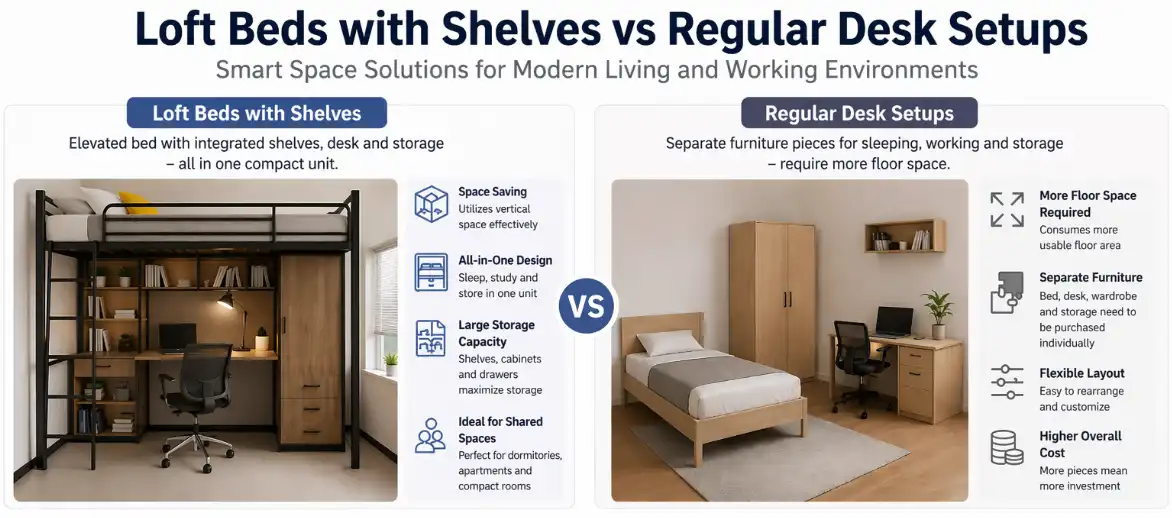
Why Choose Bunk Beds with Cabinets and a Desk for Small and Multifunctional Spaces
Integrated vertical furniture solutions solve more than one practical problem at the same time, which makes them more valuable than just saving room.
Design Principles for Maximum Functionality
To make multifunctional furniture that works well, designers need to pay close attention to how people work and how they live their daily lives. Our engineering team sets up cabinet storage so that things that are used often are easy to get to. The height of the cabinets ranges from 800 mm to 1600 mm. In the lower zones, there are box banks and closed sections for clothes and other personal items. The built-in work surface is in the best functional spot, and the shelves above are close enough to reach for books and other supplies. The ability to customize modules lets institutions meet their own goals. In educational buildings, extra electrical outlets built into desks, USB charging ports, and cord control systems for tech devices are often requested. In corporate housing projects, hanging storage for work clothes may be more important than drawer space. Our ODM and OEM services can handle these differences while keeping the structure strong and manufacturing running smoothly. Customizing colors based on RAL and Pantone charts lets brands match their interior designs go together without having to pay more when sales hit certain container quantities.
Safety Standards and Regulatory Compliance
When buying chairs for an institution, there are important legal issues to think about. Our manufacturing methods are in line with a number of worldwide certification standards that lower the risk of failure. The Occupational Health and Safety Management System (GB/T 28001) approval shows that we are dedicated to using safe methods of production. Certification in the ISO 9001 Quality Management System makes sure that the standards of production are the same from one production run to the next. Sustainability issues are becoming more and more important in public buying choices, and ISO 14001 Environmental Management System certification handles them. Specific safety features for each product include guardrails on sleeping platforms that are higher than the minimum height standards, ladders with non-slip treads and safe connection points, and load distribution engineering that stops the products from tipping over. To keep people from getting hurt, all metal edges are rounded off. Weight values (usually 150 kg for a sleeping platform and 80 kg for a desk area) are higher than the normal loads that will be used by at least 2.5 times. The Gangyicheng brand filing and utility model patent for foldable cabinets (Patent No.: ZL 2013 2 0243987.0) shows that new ideas can be protected by the law. Procurement managers can be sure that the goods they choose are based on tried-and-true designs and not just copies that aren't sure of their quality.
Real-World Performance in Institutional Settings
An installation at a regional university in 2022 shows how useful linked furniture systems can be in real life. The school put our bunk beds with cabinets and desk in a part of the dorms with 180 beds. After moving in, polls showed that 87% of students were happy with how well the workspace worked, and 92% were happy with how much room they had. These numbers are higher than the 76% and 81% averages from traditionally furnished wings. During the first school year, maintenance staff had 65% fewer work orders related to furniture. This was because steel construction is more durable and has fewer problems with loose joints, drawers not working, and surface damage can happen with different wooden furniture pieces. The perks of corporate housing forms are the same. A manufacturing company that housed temporary workers got rid of old bedroom-office combos and put in new ones that were vertically integrated. Because of the consolidation, a building with 40 rooms could be turned into one with 65 occupancy spots without having to add on to the building. The cost of living per employee went down by 28%, but privacy and usefulness stayed the same. The company got its money back on the furniture it bought within 18 months because it didn't have to rent as much off-site housing.
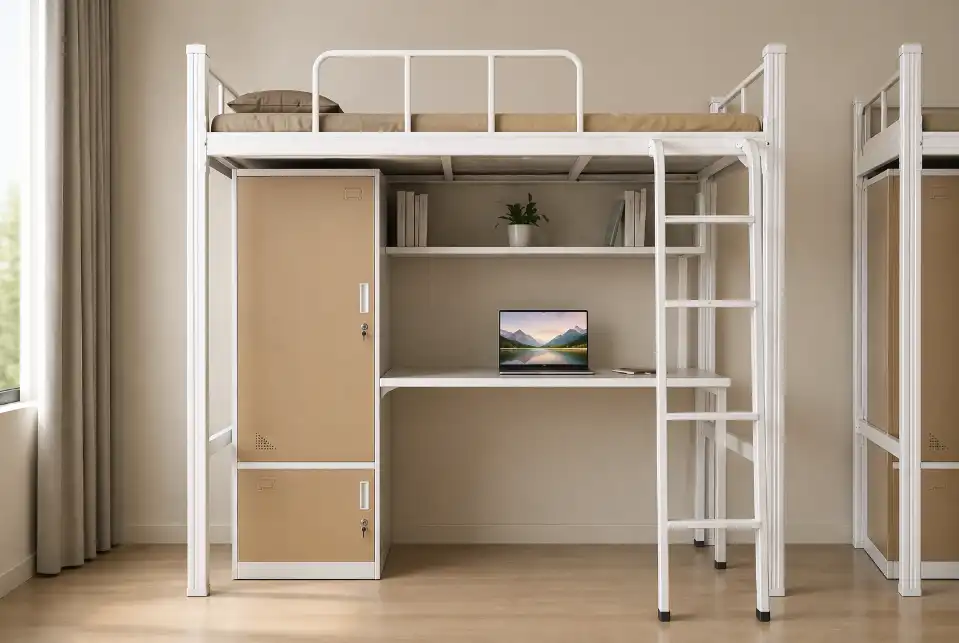
How to Select the Right Bunk Beds with Cabinets and a Desk for Your Procurement Needs
When you do strategic sourcing, you have to carefully look at things like product specs, sourcing skills, and logistics.
Dimensional and Configuration Assessment
Maximum furniture sizes are determined by the size of the room. Our normal 2000mm × 2000mm × 1200mm layout works well for most institutional uses, but ceiling heights below 2600mm might make it hard for people on the upper bunks to see over the top of their fellow bunkers. The procurement team should make sure that the room ceiling is at least 2700 mm high, which leaves 1110 mm of space above the upper mattress for sitting and sleeping comfortably. Different configuration changes allow for different ways of using the system. Double-bunk setups are the best way to make dorms or worker housing more comfortable for everyone. Single raised beds with extra desk and storage space are good for resident advisors, graduate students, or managers who need more room to work. There are different cabinet layouts, such as open shelves (best for quick access to shared supplies), drawer banks (best for storing clothes), and closed sections (needed for safekeeping of personal items). These preferences should be spelled out clearly in the procurement specs so that the units supplied meet operational needs.
Supplier Evaluation and Quality Assurance
Not only do product specs play a role in supplier selection, but so do manufacturing capabilities, quality control systems, and business dependability. We've been making steel furniture for more than 20 years, and our factories are equipped with the latest CNC machines for accurate cutting, bending, and welding. This high-tech equipment makes sure that the sizes of all the pieces are the same across big production runs. This is very important when furniture needs to fit standard room layouts across sites with multiple buildings. Procurement managers can be sure that the products they buy will be the same because of quality control procedures. Before a unit is shipped, our checking methods make sure that the steel thickness, weld strength, coating adhesion, and accuracy of assembly are all checked. With ISO 9001 approval, these quality systems are regularly checked by outside experts, which goes beyond what the seller says and provides additional proof. Before making big orders, purchasing managers should ask to see proof of quality certifications and, if possible, inspect the factory or have a third party test sample units to make sure the claims are true. Warranty coverage and help after the sale are what set reliable providers apart from less reliable ones. We stand behind our goods with full guarantee programs that cover problems with the way they were made and structural failures. Because new parts are easy to find, small damage like a bent ladder rung or a broken cabinet door doesn't have to mean replacing the whole unit. Technical support helps building managers with questions about construction, maintenance, and changing the layout of things as needed.
Logistics and Lead Time Planning
Delivery dates have a big effect on project plans. Our normal wait time of 25 days from order confirmation to shipment departure works for most institutional procurement cycles. This gives us time to make the product, check it for quality, and get it ready for foreign shipping. Projects with tight dates should make sure that targets are communicated during the quotation process. Depending on the factory's capacity and the complexity of the order, faster production may be possible. For shipping operations to work, the supplier, the freight forwarder, and the receiving center must all work together. Shipping in containers is the most cost-effective way to send large amounts of goods. Depending on how they are set up, a normal 40-foot container can hold between 45 and 50 full units. We work with skilled freight forwarders who take care of customs paperwork, clear goods through ports, and coordinate the last mile of delivery. Procurement managers need to make sure that price quotes include delivery to both the end location and the port of entry. This is because the difference between the two has a big impact on the total project budget. Facility preparation needs are affected by assembly issues. Our units are easy to put together and can be done in 90 minutes with simple tools. However, big setups work better when the assembly teams work together. We offer full assembly guides, how-to videos, and can set up visits from expert support staff for big jobs. Facilities should make sure they have enough staging room for delivered units and plan the supply of assembly workers so that it works with delivery times.
Conclusion
When you look at a loft bed with shelves next to a regular desk, you can see that combined vertical systems are clearly better for high-density residential and educational settings. Bunk beds with cabinets and desk offer better space efficiency, lower lifecycle costs, and higher longevity compared to separate furniture setups. These bundled solutions give procurement managers who work with schools, business housing, the hospitality industry, and housing projects real operating benefits. Quality materials, especially steel buildings with skilled surface treatment, make things last longer than wooden alternatives can in busy shared-use areas. When combined with customization services, certified quality systems, and dependable global logistics from the maker, integrated furniture systems are smart buying choices that balance short-term budget needs with long-term building management goals.
FAQ
What advantages do integrated bunk beds offer over purchasing separate furniture pieces?
When compared to separate beds, desks, and storage units, integrated layouts take up 40–50% less room space. This use of space efficiently saves money on building, running, and controlling the temperature of the building. It's also easier to buy things when units are grouped because you only have to coordinate one purchase order, one delivery, and one assembly process instead of organizing multiple sellers and installation schedules. When fewer separate parts can move, break, or fail on their own, maintenance is easier.
How do I ensure compliance with safety regulations when purchasing in bulk?
Ask for full proof of the manufacturer's certifications, such as ISO 9001, safety standards for the workplace, and testing results relevant to the product. Check that the heights of the guardrails, the forms of the ladders, and the weight limits meet or go beyond the standards in your area (ASTM F1427 in the US, EN 747 in Europe). Reliable providers make this information easy to find and can help with third-party testing if the specs need to be confirmed. Our goods meet international safety standards, and we keep thorough records of compliance so that buyers can check them.
Can we integrate custom design elements within standard procurement orders?
Different manufacturers offer different levels of customization, but most well-known sellers give you a lot of options. Color matching to match an institution's brand, adding more electrical outlets, changing the way cabinets are set up, and making changes to the sizes are all popular customization requests that don't add much time or cost if they are asked for at the time of ordering. Our OEM and ODM services can handle these differences, especially when the number of orders calls for changes to the method or tools. Getting suppliers involved early on in the planning stages of a project is a good way to make sure that the needs are realistic and that the budget is correct.
Partner with LY Unison for Your Space-Efficient Furniture Needs
LY Unison can help you with your workplace furniture needs by making bunk beds with cabinets and a desk that are built to last, work well, and be affordable. We've been making steel furniture for 20 years, and our ISO certifications and thorough testing methods back up the quality of our work. We offer flexible solutions, low prices, and on-time delivery times of 25 days to bulk buying sellers, project contractors, institutional buyers, and original equipment manufacturers (OEMs). You can email our team at lysteelart@lysteelart.com to talk about your unique project needs, get full specs, or set up factory visits. Whether we're furnishing a new dorm area, updating company housing, or finding new furniture products, our engineering knowledge and manufacturing skills help us find solutions that make the best use of space without sacrificing safety or comfort for users.

References
1. Anderson, M. & Chen, L. (2021). "Space Optimization Strategies in Institutional Furniture Design." Journal of Facility Management and Planning, 45(3), 112-128.
2. Hughes, R. (2020). "Material Durability Comparison: Steel versus Wood Composite in High-Traffic Environments." International Furniture Manufacturing Review, 18(2), 67-82.
3. National Association of College and University Housing Officers. (2022). "Student Housing Furniture Standards and Best Practices." NACUHO Publications.
4. Peterson, J. & Williams, K. (2023). "Total Cost of Ownership Analysis for Institutional Furniture Procurement." Procurement Management Quarterly, 31(1), 45-59.
5. Thompson, S. (2021). "Ergonomic Considerations in Vertical Living Spaces." Environmental Design Research Journal, 12(4), 203-217.
6. World Furniture Safety Council. (2022). "International Comparison of Bunk Bed Safety Regulations and Testing Standards." WFSC Technical Report 2022-08.

CUSTOMER REVIEWS & GLOBAL PROJECT FEEDBACK
Trusted by Clients Worldwide for Quality Steel Furniture
YOU MAY LIKE
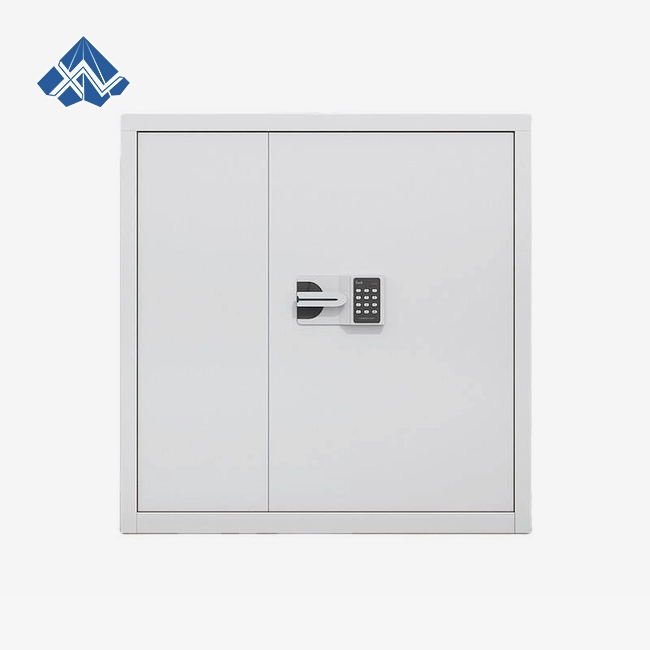 VIEW MORESteel Secure Electronic Locker Confidential Cabinet
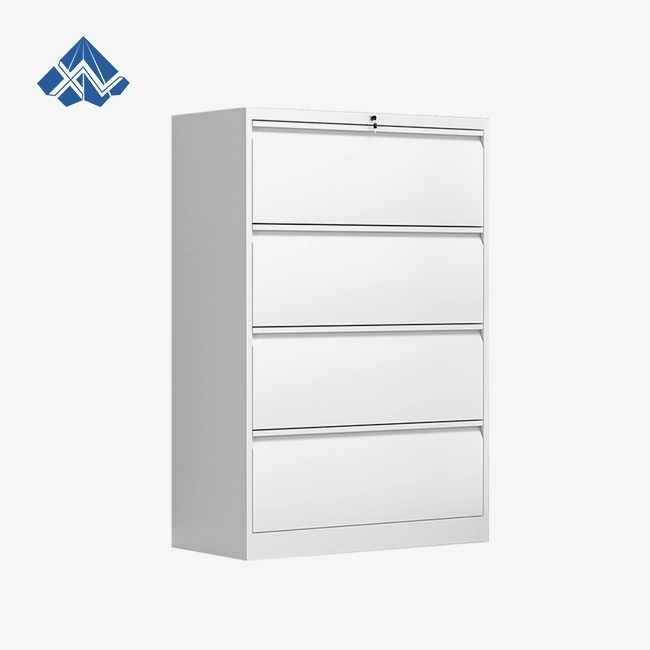 VIEW MORE4 Drawer Lateral Steel File Cabinet
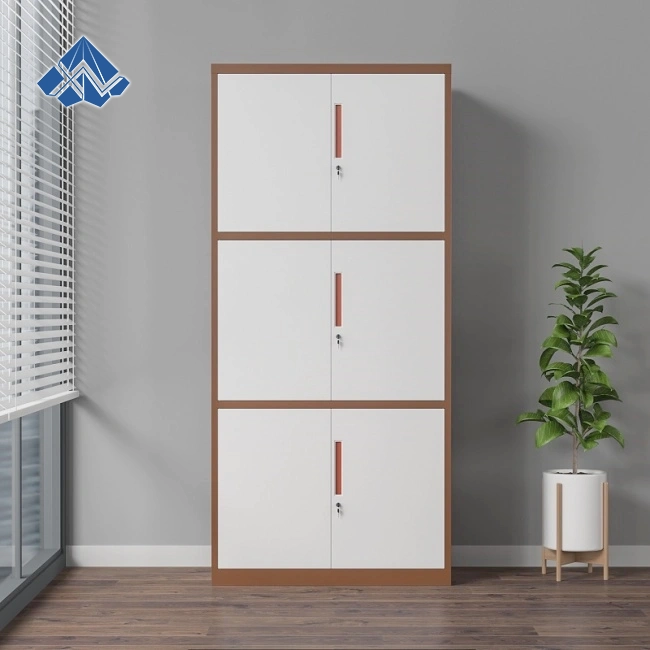 VIEW MORE6-Door Steel Cabinet
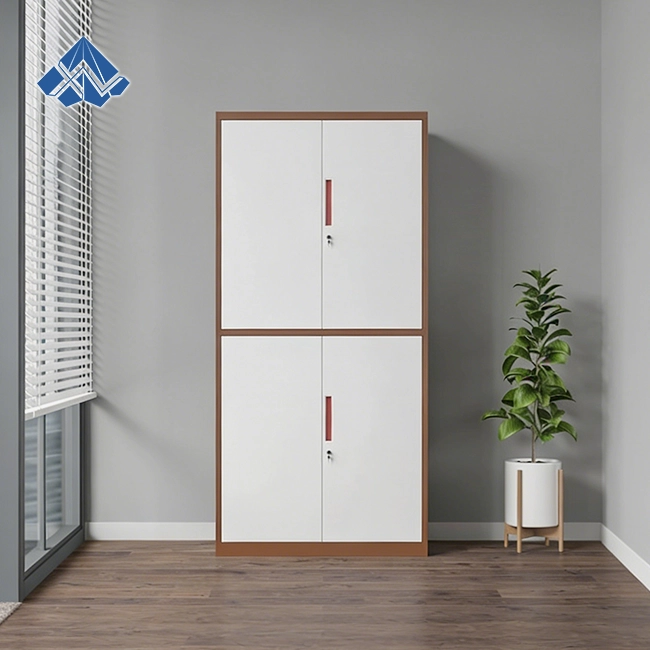 VIEW MOREDouble-Layer Four-Door Locker
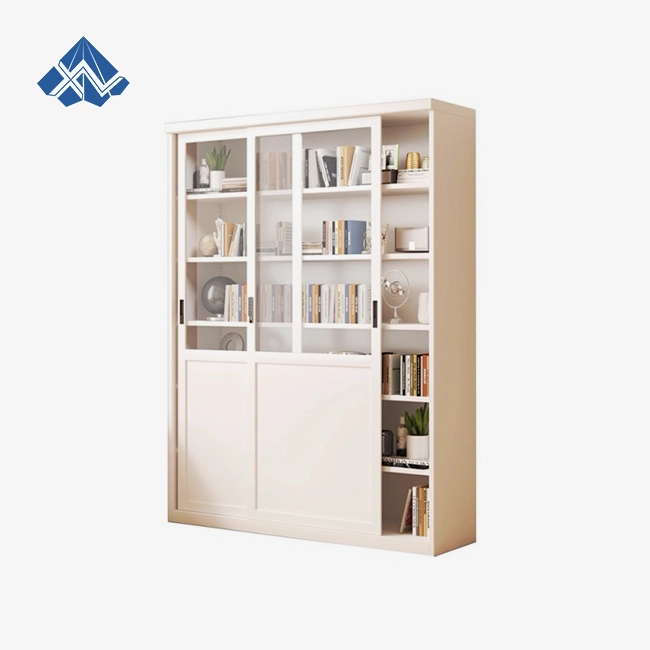 VIEW MORESliding Door Bookcase
 VIEW MORE3-Drawer Steel Mobile File Cabinet
 VIEW MOREMobile Three Drawer Cabinet
 VIEW MORE3 Drawers Fixed Pedestal Storage File Cabinet