



How to select a 4-door single column steel locker for a large gym?
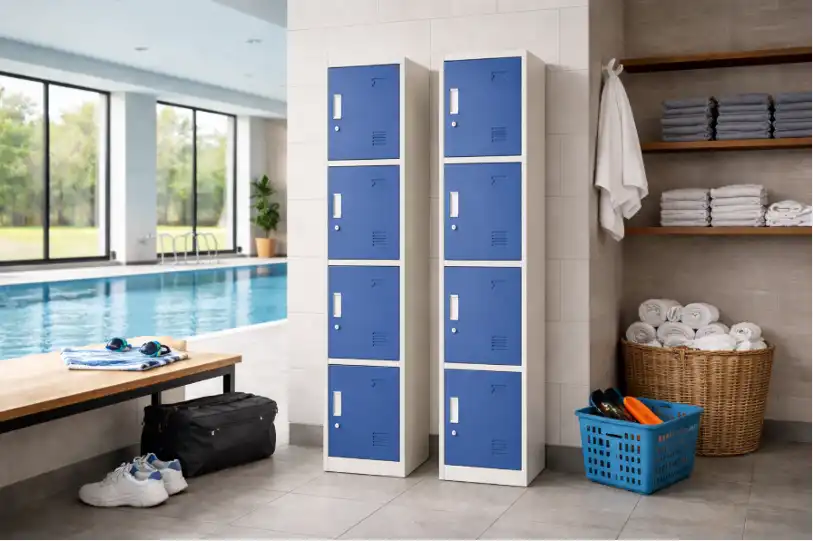
Finding the right storage option for a big gym means finding a balance between how much room it takes up, how long it lasts, and how easy it is for people to use. A Single Column 4-door Steel locker has safe spaces for four people and takes up very little space, so it's perfect for exercise centres with a lot of foot traffic. These vertical storage boxes, which are usually 1850mm tall, 380mm wide, and 450mm deep, are made from cold-rolled steel that has been coated to prevent rust, so they can be used in damp places. To make the right choice, you need to look at things like material thickness, air systems, locking mechanisms, and how reliable the provider is to make sure long-term performance and member happiness in gyms that are hard on equipment.
Understanding the Role of 4-Door Single Column Steel Lockers in Large Gyms
Large gyms have special storage problems that need well-thought-out answers. When hundreds of members come in every day, they need safe places to put their personal items, gym bags, and cash. Traditional storage closets take up too much floor space, making changing rooms more crowded and limiting the amount of space that can be used for activities and tools.
In addition to saving space, these steel storage boxes make it easier for people to move around in buildings. Members can get to their rooms at the same time without having to wait in line, which makes it easier to get through during busy times. The separate sections give members privacy and safety, which are important factors that affect member happiness and retention rates in exercise markets that are very competitive.
Construction Specifications and Dimensional Advantages
Professional locker systems are made from cold-rolled steel that is carefully bent and pressed into shape. The thickness of the steel in quality units is 0.8 mm, which is 33% bigger than the usual 0.6 mm thickness in the business. This improved gauge is more resistant to hits, dents, and structural bending when used continuously.
The normal sizes of 1850 mm tall, 380 mm wide, and 450 mm deep show that the engineering was done with adult users in mind. The 1850mm height makes it possible to put it in places with standard ceiling heights, and the 450mm depth makes it easy to fit gym bags, backpacks, and winter coats. Each of the four sections can hold about 70 litres of stuff, which is more than enough for most gym-goers.
Hygiene and Ventilation Requirements
The humidity, heat, and smells that come from gyms can make storage systems work less well. If there isn't enough air flow, germs and mildew can grow in tight spaces, making them unpleasant to use and possibly even harmful to your health.
Surface treatments are also very important for keeping things clean. An electrostatic powder coating process, followed by 9 steps of pre-treatment, makes a finish that is not porous and doesn't allow microbes to grow. Standard disinfectants can be used to easily clean the smooth surface, which supports infection control measures that are becoming more important in public buildings.
Key Selection Criteria for 4-Door Single Column Steel Lockers in Gym Settings
Procurement professionals managing large gym installations must evaluate multiple technical factors to ensure their locker investment delivers lasting value. The selection process should follow a structured approach, examining material specifications, functional features, and operational compatibility.
Material Quality and Corrosion Resistance
The steel grade for four door single column steel storage locker decides how long a base will last. SPCC (Steel Plate Cold Commercial) cold-rolled steel is the best choice for making lockers because it is strong and easy to shape. The tensile strength of this material is good enough for mild load-bearing, and it can be bent and formed precisely during production.
People who run gyms near the coast or in places with a lot of humidity should ask for increased rust protection. Look for providers that offer treatments that meet the standards for ASTM B117 salt spray tests. These treatments should show resistance to rapid rust, which is the same as years of contact in the real world.
Locking Mechanisms and Security Features
Accessibility and crime prevention must be balanced in security systems. Most gym lockers use one of three main locking systems, and each has its own benefits for different ways of working.
No matter what kind of locking technology is used, the fixing gear needs to be taken care of. Attempts to break in are stopped by reinforced strike plates, hidden hinges, and anti-pry door structure. Manufacturers of good products strengthen the places where locks are mounted with steel or backing plates that are twice as thick.
Space Planning and Layout Optimization
Designing a changing room well means taking into account things like traffic patterns, mobility needs, and user comfort. If you want to change the plan a lot, single-column units are great because they can be set up one at a time or in rows.
You might want to put bigger units around the outside and shorter units inside to keep clear lines of sight for safety tracking. This tiered height method makes it easier for staff to see across changing areas and increases the amount of space available.
Comparing Market Options: Choosing the Best Locker Solution for Your Gym
The commercial locker market offers diverse products ranging from economy imports to premium domestic manufacturing. Understanding the distinctions between options helps procurement teams make informed decisions aligned with budget constraints and performance expectations.
Steel vs. Alternative Materials
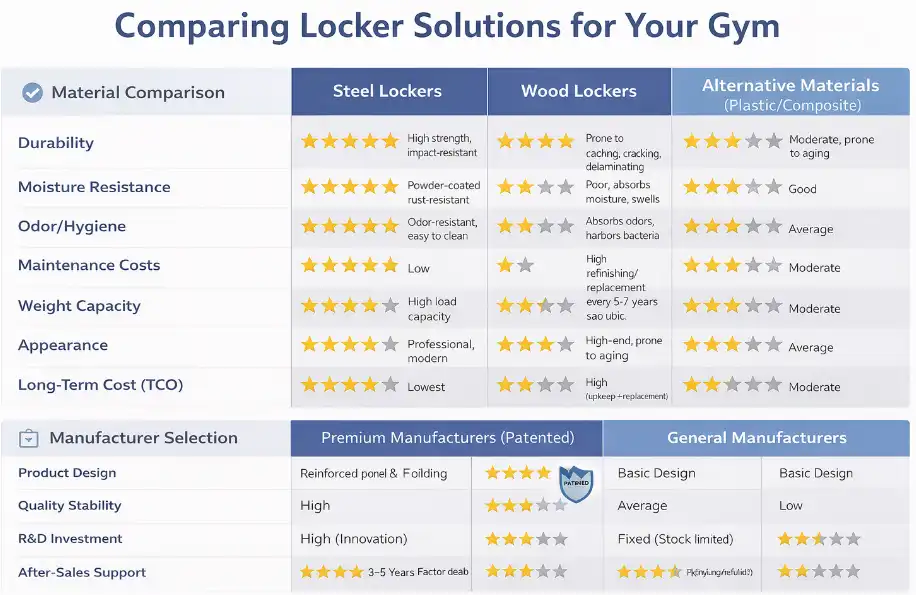
If you're in a club, wood lockers look nice, but they need a lot more upkeep. Wood will grow, twist, and finally delaminate if it gets wet. Wood is porous, so it soaks up smells and gives bugs a place to grow. Every 5 to 7 years, the floor needs to be refinished or replaced, which greatly increases the total cost of ownership.
A steel building is the best way to get long-lasting, safe, and valuable results. The old worries about rust that made people choose other materials have been taken care of by modern powder coating technology. The steel choice has better strength to impact, can hold more weight, and looks more professional, which helps keep the facility's image up over a longer period of time.
Evaluating Manufacturer Credentials
Choosing the right supplier has a huge effect on how consistent the product is and how well it is supported. When looking at possible locker makers, you should look at how they make lockers, what quality standards they have, and how they handle customer service.
Patents and exclusive patterns show that money has been invested in creation. Companies that have utility patents for things like folding construction or strengthened door panels have shown that they are committed to engineering beyond just making basic products.
Bulk Purchasing Advantages
When installing a large gym with 50 or more lockers, buying directly from the factory is a great option. When you place a lot of orders, you can save money and get more options than when you shop in stores.
When you work directly with the maker of four door single column steel storage locker, the warranty terms are better. If there are any problems, factory-backed guarantees last for three to five years and cover repairs. However, dealer warranties usually make buyers pay for shipping and refund costs.
Installation and Maintenance Guidelines for 4-Door Steel Lockers
Proper installation and ongoing maintenance protect your locker investment while ensuring user safety and satisfaction. Professional installation practices prevent common problems that compromise structural integrity and operational performance.
Professional Installation Requirements
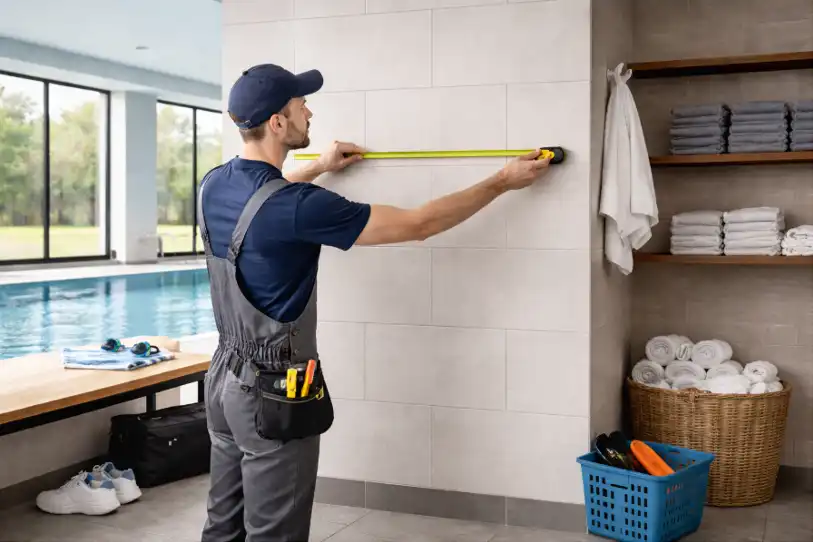
The first step in installing a locker is to accurately measure and plan the layout of the space. Check that the floors are level across the installation areas; if there are differences of more than 3 mm per meter, the doors will not line up properly. Uneven floors make it hard to move around, wear out gear quickly, and make users angry.
When making curved rows with modular parts, they need to be carefully lined up. Use levelling feet to make sure that the units next to each other are perfectly vertically aligned. This will keep the units from having gaps that look bad and let dirt and other things build up. Putting hardware between units spreads out horizontal loads and keeps each unit from falling over.
When adding smart locks or RFID systems, you need to think about the electricity. Plan for data and power lines when the building is first being built, instead of adding them later, which costs a lot more. Work with electricians to make sure that any powered parts are installed in a way that follows the code.
Routine Maintenance Protocols
Setting up care plans for lockers makes them last longer and keeps their good looks. Body oils, sweat, and makeup leftovers that can break down powder covering over time can be removed once a week with pH-neutral cleaners. Do not use rough cleaners or cleaning pads that can damage protected treatments.
Vacuuming the air louvres every three months as part of a deep cleaning process gets rid of lint and dust buildup. When ventilation is blocked, the movement that keeps smells and moisture problems from happening is harmed. Check the inside of the car for rust or damage to the covering. If you find any, fix them with touch-up paint to stop the rusting from spreading.
An annual professional check by building care staff or hired services gives a full picture. Check the security of the wall bolts, the safety of the floor fixing, and the structural soundness of units that will be used a lot. Write down what you find so you can keep track of trends of wear and tear and plan repairs before they happen.
Replacement Parts and Serviceability
Availability of parts decides whether locker systems can be fixed affordably or need to be replaced completely. When choosing tools, make sure that the maker keeps extra parts on hand for at least 10 years after the purchase.
Locking devices, locks, number plates, and hooks are all common repair parts. Standardised designs let general hardware be used instead, but private systems force buyers to buy from a single source, which could charge higher prices or stop supporting the system.
Modular design makes fixes easier because it's possible to change just a few doors or sections without taking apart the whole machine. This method causes less trouble and costs less in labour than welding, which needs whole units to be replaced.
Procurement Strategies for Bulk Buying 4-Door Single Column Steel Lockers
Strategic procurement planning for Single Column 4-door Steel locker reduces total acquisition costs while ensuring reliable supply chain performance. Large gym operators benefit from structured sourcing approaches that leverage volume, timing, and supplier relationships.
Supplier Qualification and Selection
Find suitable makers through trade shows, industry websites, and suggestions from other buyers before you start the buying process. Shortlist three to five possible sources based on their ability to produce, knowledge in the field, and location.
Check someone's financial security by looking at their credit record and getting references from past buyers. When suppliers are having money problems, they might cut corners on the quality of their goods, delay orders, or not have the resources to back up their warranties. Manufacturers who have been in business for 20 years or more show that they are stable.
A sample review gives a real-world look at the quality of the making. Ask for example units to be inspected in person, paying close attention to the quality of the welds, the regularity of the paint, the placement of the doors, and how the hardware works. Put samples through stress tests that act like they've been used for years.
Negotiating Terms and Conditions
Buying in bulk gives you more bargaining power to get better deals than just the unit price. Talk about shipping times, payment terms, customised choices, and guarantee terms when you're talking about the contract.
International trade usually has a 30% payment, and the remaining 70% is due when the job is done or when the shipping papers are ready. Longer terms or payments that are spread out over time based on project goals may be possible with established relationships. Letters of credit give both parties peace of mind when they are working with a new provider.
The warranty terms should say how long the coverage lasts, what parts are covered, and how to file a claim. Find out if the warranty only covers problems with the way the product was made or also covers regular wear and tear. Make it clear who is responsible for the shipping costs that come with guarantee claims and new parts.
OEM and Customization Capabilities
Private label programs let distributors and brand owners make their products stand out. Custom branding is possible with OEM services, which use name stamping, custom colours, and changed specs to make each product line unique.
When container amounts are met, which are usually between 100 and 200 units, makers offer free custom colour matching to RAL or Pantone standards. This feature makes it possible for building branding and internal design ideas to work perfectly together.
LY Unison offers full OEM/ODM help through design teams with a lot of experience who know about foreign standards and installation needs. Our 25-day production cycle lets us handle unique orders without having to wait for longer lead times, which helps us meet tight project deadlines.
Conclusion
When choosing the right steel storage systems for big gyms, you need to look at the specs of the materials, the useful design, and the supplier's abilities. Quality Single Column 4-door Steel locker units made from 0.8 mm cold-rolled steel, with the right amount of air and finishes that prevent rust, work well in harsh conditions. Professional buying teams should give more weight to makers with ISO recognition, a history of success in the industry, and a wide range of support services. When you buy in bulk, you can save money by taking advantage of big savings, custom colour matching, and good guarantee terms. Following the manufacturer's instructions for proper installation and regular repair practices will extend the life of your equipment while keeping it looking good and working well. This will eventually improve member happiness and business efficiency.

FAQ
What are the standard dimensions for gym locker installations?
Industry-standard single-column steel storage units measure 1850mm height, 380mm width, and 450mm depth. This sizing accommodates adult users comfortably while fitting standard facility ceiling clearances. Each compartment provides approximately 70 litres of storage capacity, sufficient for gym bags, clothing, and personal items. Custom dimensions are available through ODM services for specialised applications requiring different proportions.
How does ventilation prevent odor and moisture problems?
Stamped ventilation louvres on doors and sidewalls promote continuous air circulation throughout compartments. This airflow prevents moisture accumulation that causes mildew growth and unpleasant odours. Proper ventilation becomes particularly important in humid gym environments where damp clothing and equipment are stored. The ventilation pattern should balance airflow efficiency with visual privacy and security requirements.
Are powder-coated steel lockers environmentally sustainable?
Modern powder coating processes contain no heavy metals and comply with EU REACH regulations for environmental safety. Steel construction allows complete recyclability at end-of-life, supporting circular economy principles. Manufacturers holding ISO 14001 certification demonstrate commitment to reducing emissions and material waste during production. The extended lifespan of quality steel units—often 15+ years—provides superior sustainability compared to shorter-lived alternatives requiring frequent replacement.
Partner with LY Unison for Your Gym Locker Needs
LY Unison delivers comprehensive steel storage solutions backed by over 20 years of manufacturing excellence. Our Single Column 4-door Steel locker systems feature 0.8mm cold-rolled steel construction—33% thicker than industry standards—ensuring exceptional durability in demanding gym environments. We maintain ISO 9001, ISO 14001, and GB/T 28001 certifications, guaranteeing consistent quality and responsible manufacturing practices. Our design team provides complete OEM/ODM customisation, including colour matching to your facility branding at no additional cost for container orders. With streamlined 25-day production cycles and global logistics support, we deliver on schedule for projects of any scale. Contact our B2B procurement specialists at lysteelart@lysteelart.com to discuss volume pricing, technical specifications, and customisation options. As an established Single Column 4-door Steel locker supplier, we provide the expertise and reliability your facility deserves.
References
1. American Society for Testing and Materials. (2019). ASTM A1008/A1008M Standard Specification for Steel, Sheet, Cold-Rolled, Carbon, Structural, High-Strength Low-Alloy, High-Strength Low-Alloy with Improved Formability, Solution Hardened, and Bake Hardenable. West Conshohocken, PA: ASTM International.
2. International Organisation for Standardisation. (2015). ISO 9001:2015 Quality Management Systems – Requirements. Geneva, Switzerland: ISO Press.
3. National Association of Architectural Metal Manufacturers. (2017). Metal Finishes Manual for Architectural and Metal Products. Chicago, IL: NAAMM Publications.
4. Architectural Woodwork Institute. (2020). Comparative Analysis of Locker Materials: Steel, Wood, and Plastic Performance in High-Humidity Environments. Potomac Falls, VA: AWI Technical Committee.
5. United States Access Board. (2010). ADA Standards for Accessible Design: Storage and Locker Requirements. Washington, DC: U.S. Access Board Publications.
6. Building Owners and Managers Association International. (2018). Fitness Centre Design and Operations: Best Practices for Commercial Facilities. Washington, DC: BOMA International Research Foundation.

CUSTOMER REVIEWS & GLOBAL PROJECT FEEDBACK
Trusted by Clients Worldwide for Quality Steel Furniture
YOU MAY LIKE
 VIEW MORESteel Filing Cabinet with Swing Glass Door
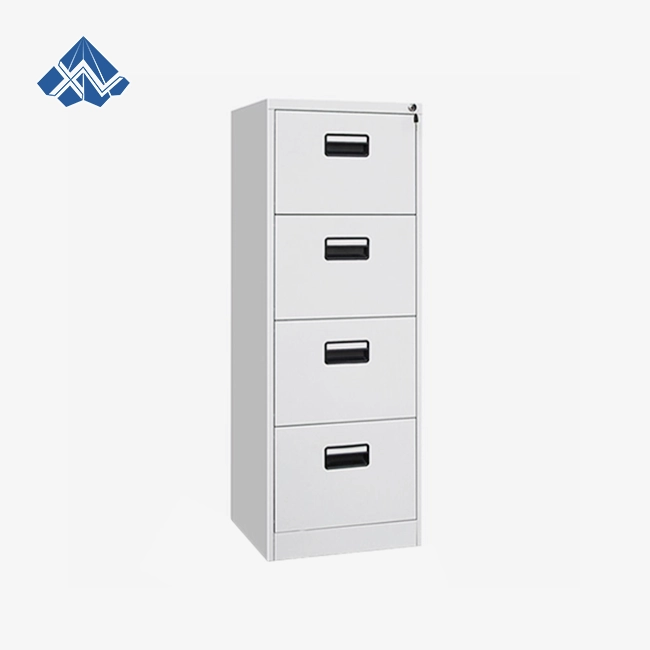 VIEW MORE4-Drawer Vertical Steel File Cabinet
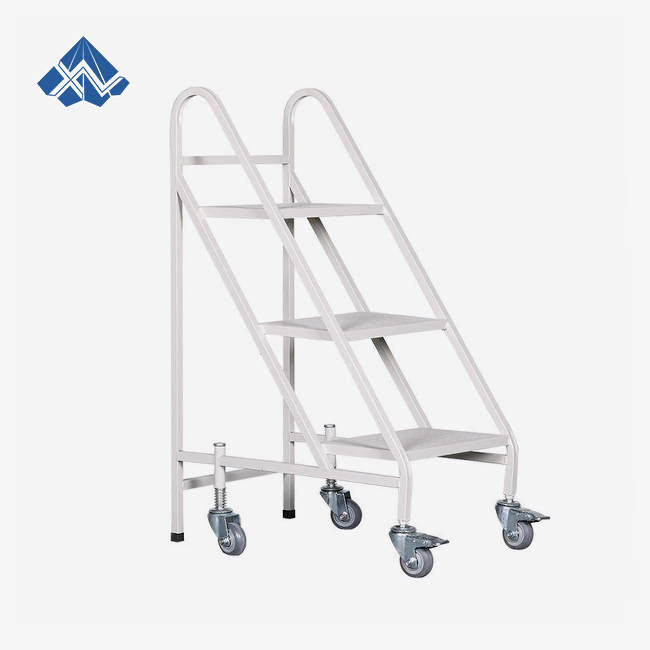 VIEW MORE3-Step Steel Library Book Ladder
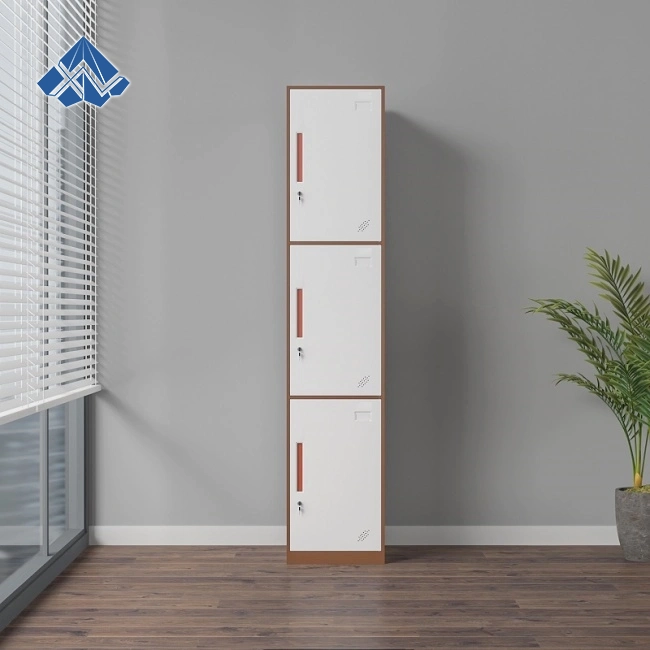 VIEW MORESingle 3-Door Foldable Locker
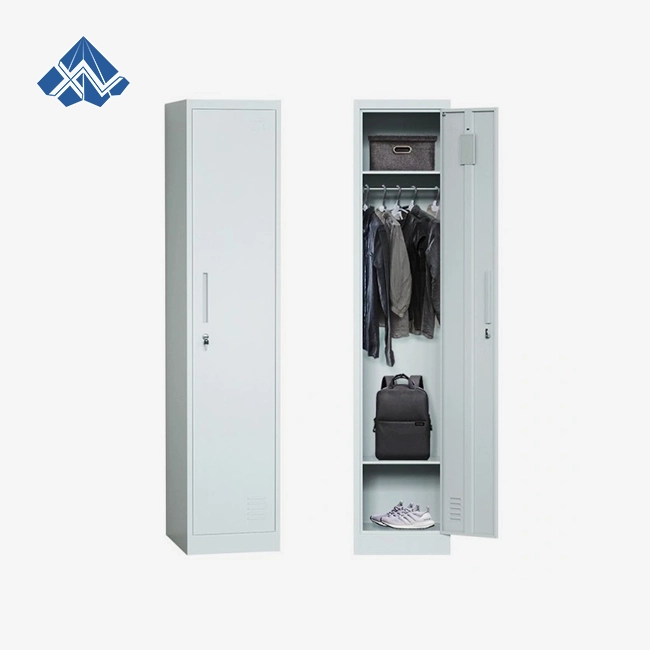 VIEW MORESingle Column 1-Door Steel Locker
 VIEW MORE6 Door Steel Locker
 VIEW MOREDouble Student Desk and Chair
 VIEW MOREMobile Three Drawer Cabinet