



Sliding Door Patterned Cabinet vs Plain Wardrobe: A Complete Guide for Long-Term Value
When selecting wardrobes for commercial or residential use, long-term appearance and durability matter more than most buyers initially expect. A product that looks clean on day one may quickly lose its visual appeal after months of daily use. This is where the Sliding Door Patterned cabinet offers a clear advantage. Patterned surfaces—whether geometric, textured, or printed—help conceal scratches, fingerprints, and minor wear that would otherwise be highly visible on plain finishes. In contrast, plain wardrobes, while minimal and modern at first glance, often show signs of use much more quickly. For procurement professionals managing large-scale projects such as schools, offices, or rental housing, this difference directly impacts maintenance costs, replacement frequency, and overall visual consistency across multiple sites.
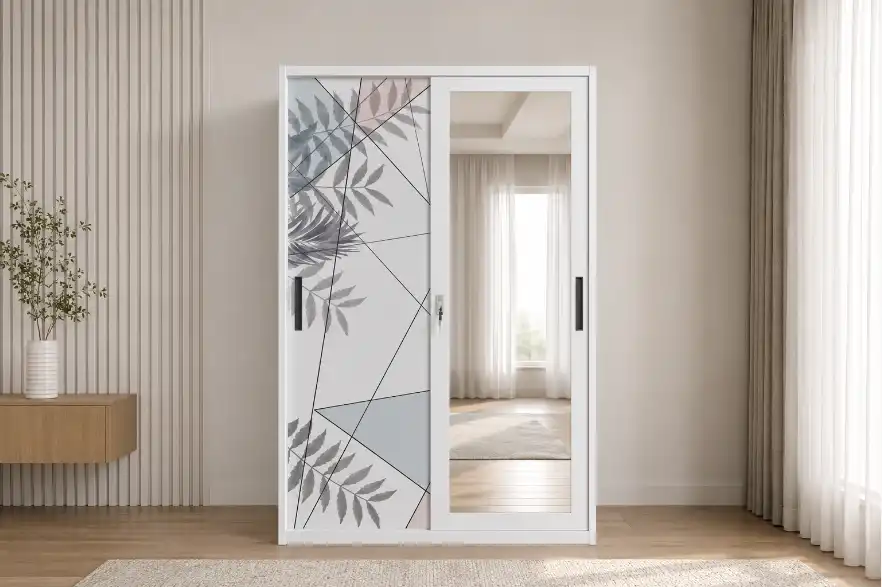
Understanding the Core Differences Between Patterned and Plain Wardrobes
Defining Characteristics and Material Foundations
The primary difference between patterned and plain wardrobes lies in their surface treatment and visual structure.
Patterned wardrobes are manufactured using advanced processes such as:
- UV digital printing
- Heat-transfer films
- Embossed or textured laminates
These techniques create layered visual effects that improve both aesthetics and wear resistance.
Plain wardrobes, on the other hand, rely on:
- Solid-color coatings
- Smooth melamine surfaces
- Powder-coated or painted finishes
While these finishes are clean and simple, they lack the visual depth needed to hide surface damage.
Material selection also plays a critical role. Common options include:
- Cold-rolled steel (high durability for commercial use)
- Engineered wood (cost-effective and versatile)
- Composite panels (often with low formaldehyde emissions for safety compliance)
For example, steel-based patterned cabinets maintain structural integrity even under heavy daily use, making them suitable for high-traffic environments like schools. Meanwhile, certified low-emission panels are essential in healthcare and educational settings where safety standards are strict. Ultimately, the material base determines not only the initial appearance but also how well the wardrobe performs over the years of use.
Application Scenarios Across Commercial and Residential Sectors
Different environments require different wardrobe solutions. In commercial offices, sliding door patterned cabinets are often used for both storage and design purposes. Custom patterns can incorporate brand elements, while sliding doors maximize space efficiency in tight layouts. In educational environments, durability is critical. High-frequency use by students leads to constant wear, and patterned surfaces help maintain a clean and professional look with minimal maintenance. Healthcare facilities prioritize hygiene. Plain wardrobes with antimicrobial coatings are commonly used in sterile areas, while patterned options may be applied in administrative zones to create a more welcoming atmosphere. In residential settings, the balance shifts toward personalization. Sliding doors are ideal for compact apartments, and patterned finishes allow homeowners to match storage units with interior design styles. Understanding these application-specific needs helps buyers choose the most suitable solution for each project.
Material Performance and Aesthetic Versatility
Material engineering directly influences both durability and long-term appearance. High-quality sliding door systems are designed to withstand extensive use. Premium models often feature aluminum alloy tracks and rollers tested for tens of thousands of opening and closing cycles. Soft-close mechanisms reduce impact stress, protecting both the structure and the surface finish over time.
Surface technology is equally important.
- UV-cured inks maintain color stability under prolonged light exposure
- Protective coatings improve resistance to moisture and cleaning chemicals
Plain finishes, while smooth and easy to clean, tend to highlight imperfections. Even small scratches or dents can become visually dominant on a solid-color surface. Patterned designs, by contrast, distribute visual focus across multiple elements, making minor damage far less noticeable. This characteristic is especially valuable in commercial environments where maintaining a consistent appearance is essential. As a result, patterned cabinets offer greater aesthetic stability over long operating periods.
Long-Term Performance and Maintenance: Which Option Proves More Durable?
Maintenance Requirements and Cleaning Challenges
Maintenance needs differ significantly between patterned and plain wardrobes. Plain wardrobes are straightforward to clean. A simple wipe-down removes most dirt and stains, making them suitable for environments where hygiene is the top priority. Patterned wardrobes may require slightly more careful cleaning, especially for textured surfaces. Using microfiber cloths and non-abrasive cleaners helps preserve the integrity of printed designs.
However, the key difference lies in long-term maintenance.
- Plain wardrobes often require panel replacement once scratches or stains become visible
- Patterned wardrobes can maintain a consistent appearance without frequent repairs
For facility managers, this translates into lower lifecycle maintenance costs.
Durability Comparison: Sliding Systems vs Traditional Hinged Doors
Sliding door systems generally outperform traditional hinged doors in demanding environments. Because sliding doors do not swing outward, they eliminate the risk of collision damage in confined spaces. Weight is distributed along tracks rather than concentrated on hinges, reducing structural stress.
Hinged wardrobes, in contrast, are prone to:
- Hinge loosening over time
- Door misalignment
- Increased wear at the mounting
Soft-close sliding systems further enhance durability by minimizing impact during operation. In high-traffic settings, these advantages result in longer service life and fewer mechanical failures.
Total Cost of Ownership Analysis
The initial purchase price is only one part of the equation.
Sliding door patterned cabinets typically involve:
- Higher material costs due to advanced surface treatments
- Additional hardware expenses for sliding mechanisms
However, over a 10–15 year period, these systems often prove more cost-effective due to:
- Reduced replacement frequency
- Lower maintenance requirements
- Better long-term appearance
In contrast, plain wardrobes may require refinishing or panel replacement, which can approach a significant percentage of the original cost. For large-scale procurement projects, evaluating the total cost of ownership (TCO) is essential for making informed decisions.
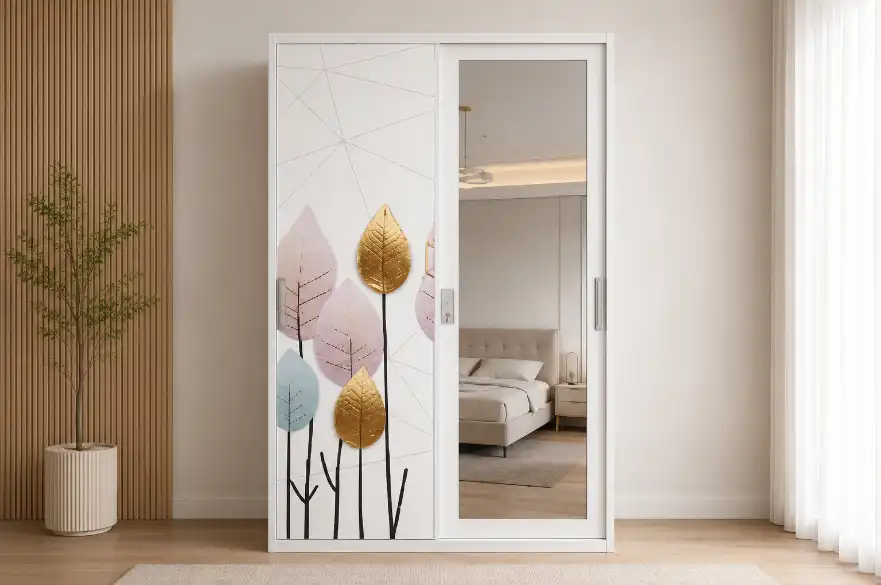
Style, Functionality, and Space Optimization: Procurement Perspectives
Space Efficiency in Commercial and Institutional Settings
Space utilization is a critical factor in modern building design. Sliding door wardrobes eliminate the need for door swing clearance, making them ideal for:
- Dormitories
- Offices
- Healthcare facilities
This design improves layout flexibility and allows for more efficient use of available floor space.
Patterned finishes also influence spatial perception.
- Vertical patterns can make ceilings appear higher
- Horizontal designs can visually widen narrow areas
- Reflective surfaces enhance brightness and openness
These features contribute to both functional efficiency and user comfort.
Brand Presentation and User Experience Enhancement
Furniture plays a role in shaping how a space is perceived. In commercial environments, wardrobes can support branding through:
- Custom colors
- Printed logos
- Themed designs
Patterned cabinets transform storage units into design elements, enhancing the overall user experience. Plain wardrobes, while neutral, may appear overly generic in customer-facing spaces. A well-designed storage solution can reinforce brand identity while maintaining practicality.
Installation Considerations and Supplier Support Requirements
Proper installation is essential for performance. Sliding systems require precise alignment to ensure smooth operation. Poor installation can lead to:
- Increased wear
- Noise issues
- Reduced lifespan
For bulk projects, supplier support becomes critical. Reliable manufacturers provide:
- Detailed installation guidelines
- Technical assistance
- Consistent product quality
Strong logistics and after-sales support help ensure project success from delivery to final installation.

Market Comparison and Procurement Guide for Sliding Door Patterned Cabinets and Plain Wardrobes
Cost Structures and Value Propositions in B2B Procurement
Pricing varies significantly between product types. Plain wardrobes are typically more affordable upfront, making them suitable for budget-sensitive projects. Patterned sliding cabinets, however, offer greater differentiation and long-term value. Custom designs allow distributors and contractors to stand out in competitive markets. Bulk purchasing strategies can also reduce costs, especially when working with experienced manufacturers.
Manufacturer Capabilities and Customization Options
Supplier capability directly impacts product quality.
Advanced manufacturers offer:
- Custom dimensions and configurations
- Wide pattern libraries or fully customized designs
- Material and hardware upgrades
Production capacity is equally important for large orders. Facilities with multiple production lines can maintain quality while meeting tight deadlines. Reliable quality control systems ensure consistency across all units.
Decision-Making Criteria for Diverse Project Requirements
Selecting the right wardrobe solution requires balancing multiple factors:
- Budget constraints
- Project type and usage frequency
- Design requirements
- Expected lifespan
- Sustainability considerations
A structured evaluation approach helps buyers identify the best option for each specific application.
Future Trends and Innovations in Wardrobe Design and Sliding Door Patterned Cabinets
Emerging Design Trends and Material Innovations
The wardrobe industry continues to evolve with advancements in materials and technology.
Key trends include:
- Increased demand for customization
- Eco-friendly materials such as recycled steel
- Low-emission coatings and finishes
Digital printing technologies now allow cost-effective small-batch customization, making unique designs more accessible.
Market Shifts Toward Modular and Customizable Solutions
Modular wardrobe systems are gaining popularity.
These systems offer:
- Flexible configurations
- Easy upgrades and replacements
- Adaptability to changing space requirements
Customization now extends beyond appearance to include functional features such as adjustable shelving and integrated storage solutions.
Strategic Sourcing Approaches for Long-Term Value
Long-term procurement strategies focus on:
- Building reliable supplier partnerships
- Securing stable pricing through contracts
- Ensuring sustainability compliance
Manufacturers with strong environmental practices and certifications provide added value in today’s market.
Conclusion
Choosing between patterned and plain wardrobes depends on project goals, budget, and usage conditions. In most high-traffic and long-term applications, sliding door patterned cabinets offer superior durability, lower lifecycle costs, and better visual performance. Plain wardrobes remain a practical choice for certain environments, but their limited wear resistance should be carefully considered. A well-informed decision ensures both functional efficiency and long-term value.
FAQ
What makes patterned wardrobes better for high-traffic areas?
They hide scratches and fingerprints and wear more effectively, maintaining a clean appearance over time.
Are sliding door cabinets more durable than hinged wardrobes?
Yes. Sliding systems reduce stress on components and perform better in frequent-use environments.
Can sliding door patterned cabinets be customized?
Yes. Most manufacturers offer options for size, material, patterns, and branding in bulk orders.
Partner With LY Unison for Your Sliding Door Patterned Cabinet Needs
Choosing the right manufacturer is essential for successful procurement.
LY Unison provides:
- Extensive experience in steel furniture manufacturing
- OEM/ODM customization services
- Large-scale production capacity
- Reliable quality and delivery
Contact us at lysteelart@lysteelart.com to discuss your project requirements and discover how we can support your next furniture solution.

References
1. Ashby, M. F. (2011). Materials Selection in Mechanical Design (4th ed.). Butterworth-Heinemann.
2. Forest Products Laboratory. (2010). Wood Handbook: Wood as an Engineering Material. U.S. Department of Agriculture.
3. Hassanain, M. A., Froese, T. M., & Vanier, D. J. (2003). Framework Model for Asset Maintenance Management. Journal of Performance of Constructed Facilities, 17(1), 51–64.
4. Bhushan, B. (2013). Introduction to Tribology (2nd ed.). Wiley.
5. Eastman, C., Teicholz, P., Sacks, R., & Liston, K. (2018). BIM Handbook: A Guide to Building Information Modeling (3rd ed.). Wiley.
6. United States Environmental Protection Agency (EPA). (2020). Formaldehyde Emission Standards for Composite Wood Products.

CUSTOMER REVIEWS & GLOBAL PROJECT FEEDBACK
Trusted by Clients Worldwide for Quality Steel Furniture
YOU MAY LIKE
 VIEW MORESteel Filing Cabinet with Swing Glass Door
 VIEW MORE3 door locker cabinet
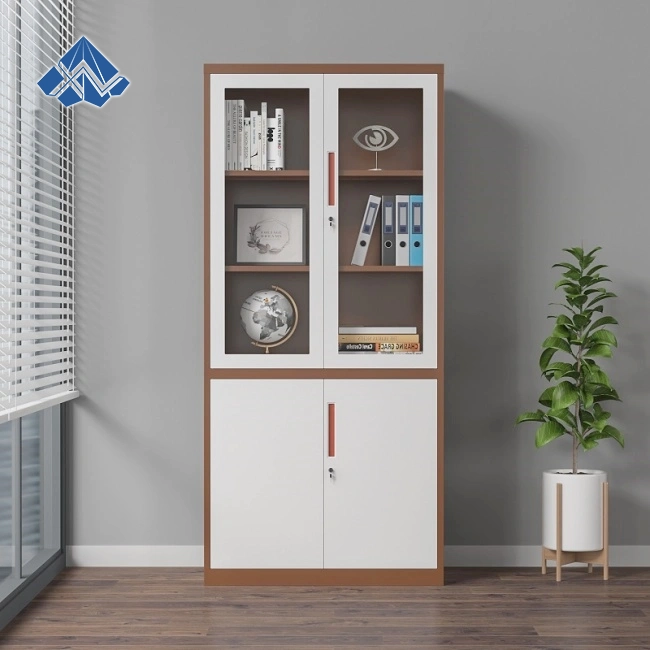 VIEW MOREGlass Door Steel File Cabinet
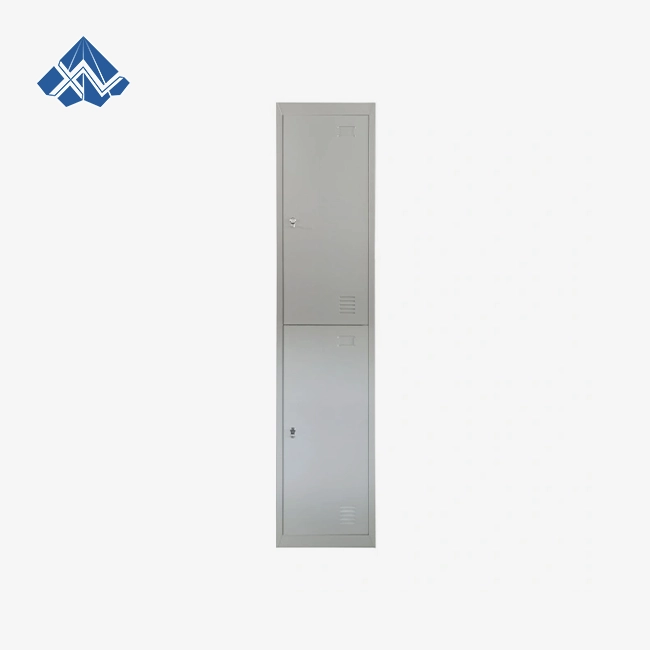 VIEW MORESingle Column 2-door Steel locker
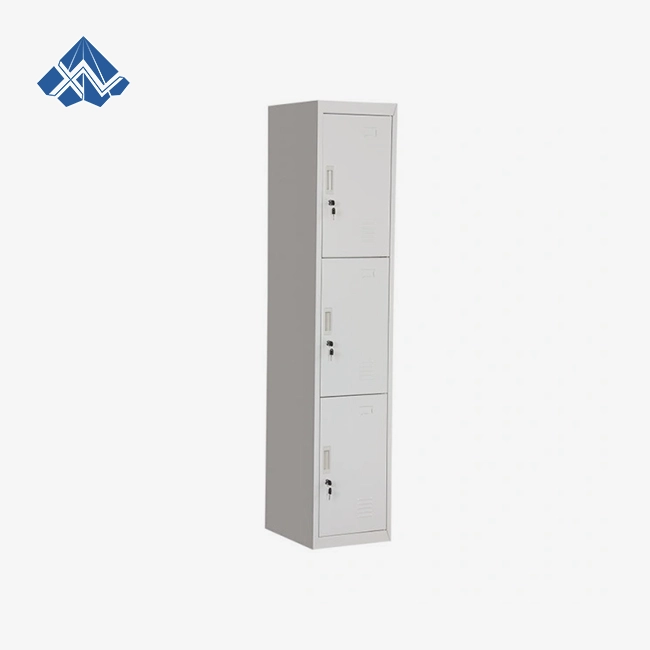 VIEW MORESingle Column 3-door Steel locker
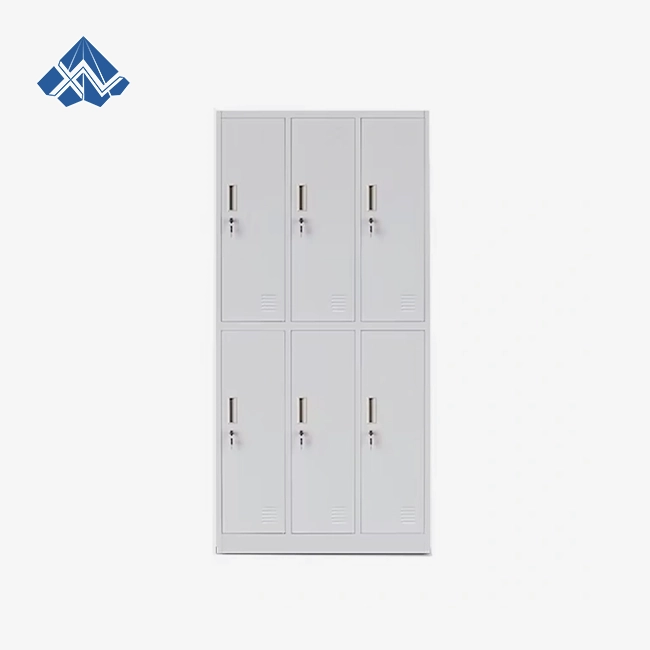 VIEW MORE6 Door Steel Locker
 VIEW MORE3-Drawer Steel Mobile File Cabinet
 VIEW MORECode Lock 3-Drawer Steel Mobile Cabinet